Pantry & Shopping
What to keep in a cupboard so dinner is always possible
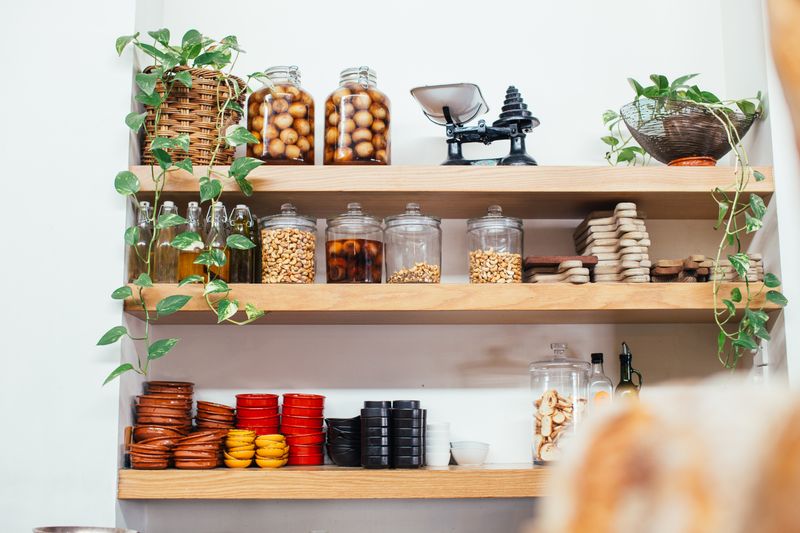
A working pantry is not a large one. It is a small set of things that combine into meals without a shop.
Both approaches to stocking a pantry work. What differs is what they cost you, and the cost is what this sets out.
The difference in one place
- Aim for combinations, not quantity — each item should appear in several dishes.
- Acid and umami are the two categories home cupboards most often lack.
- Rotation matters: an unused ingredient is waste, not insurance.
Buy for combinations
The test for a pantry item is how many different meals it appears in, not whether it is useful in one. Tinned tomatoes, a grain, dried pasta, tinned pulses, stock, an onion and a hard cheese produce dozens of meals between them. Single-purpose ingredients bought for one recipe are the main source of cupboard clutter and eventual waste.
A small pantry that gets used entirely beats a large one that does not.
Acid is the missing category
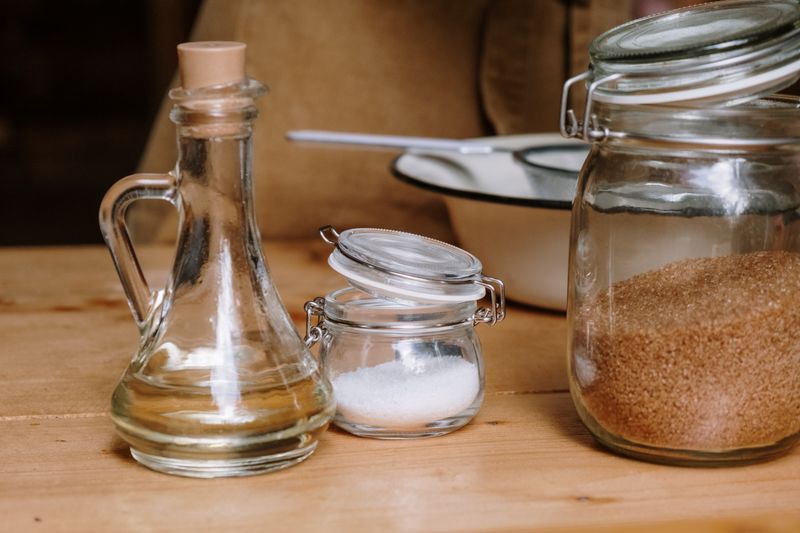
Vinegars and citrus are what make a finished dish taste sharp and complete rather than heavy. Most home cooking that tastes dull but correctly salted is missing acid rather than anything else. Two vinegars — one sharp, one mellow — cover almost everything.
Acid is also what stops a rich plate becoming tiring halfway through, which is why pickles, yoghurt and a wedge of lemon sit beside fatty food in almost every cuisine that cooks a lot of it.
Umami is the other one
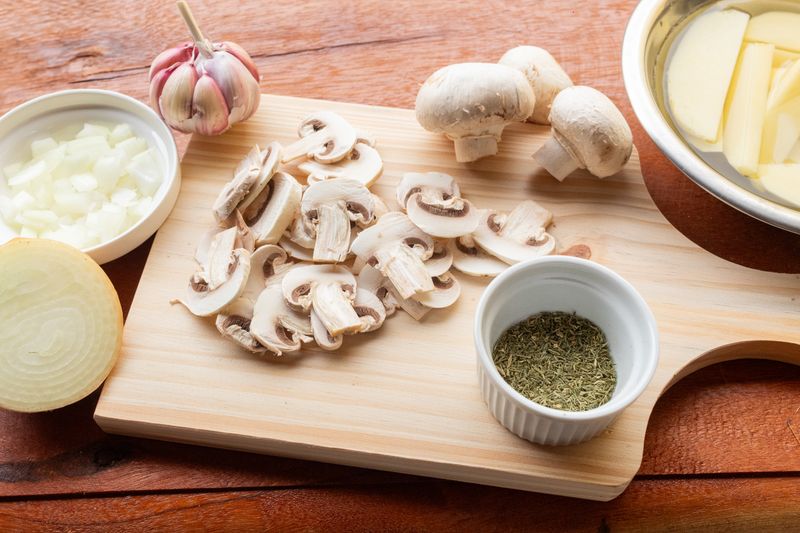
Anchovies, soy sauce, miso, tomato purée, parmesan rinds and dried mushrooms all add savoury depth quickly. They are the reason a quick dish can taste like it has been cooking for hours.
Anchovies in particular dissolve invisibly and are the single most useful ingredient most people refuse to buy. Tomato purée repays a minute of frying in the oil before any liquid arrives, since the raw metallic edge cooks off and what is left is darker and sweeter.
The freezer is the other half of the cupboard
Frozen peas, spinach, prawns, pastry and bread do the same job as cupboard staples without the deadline that the fresh versions carry. Vegetables for freezing are usually picked and processed within hours, so for peas and spinach the frozen bag is frequently better than the fresh equivalent that has spent days getting to the shop. Freezing in flat, thin packages rather than blocks means things thaw in minutes and stack in a drawer instead of fusing into a single geological layer.
What spoils frozen food is air rather than time, so pressing the air out before sealing does more for how it tastes in three months than the temperature dial does.
Store things properly or do not store them
Spices lose aroma within months of grinding, so whole spices last far longer and taste noticeably better. Oils go rancid with light and heat, which means the bottle beside the hob is the worst place for it.
On a weeknight, flour and nuts are best in the freezer if they are not used quickly, because the fats in both oxidise. Once a container is opened the clock starts regardless of the printed date, so decanting into a smaller jar as a large bag empties keeps air away from what is left of it.
Rotate deliberately
A cupboard audit every few months finds the things that will never be used, which is information about your actual cooking. Cooking specifically from the back of the cupboard once a month prevents most of the accumulation. Buying less and more often beats stockpiling for anything that is not genuinely shelf-stable.
On a weeknight, the jars that survive every audit untouched are usually waiting on one other ingredient you never have in, and buying that one thing is cheaper than replacing the habit that would use them.
Side by side
| Consideration | What it means in practice |
|---|---|
| Aim for combinations, not quantity | Each item should appear in several dishes. |
| Acid is the missing category | Acid and umami are the two categories home cupboards most often lack. |
| Umami is the other one | Rotation matters: an unused ingredient is waste, not insurance. |
The takeaway
Fewer things that combine, plus something sharp and something savoury.
Taste it before it leaves the pan. That is most of cooking.
Questions readers ask
How long do spices last?
Ground spices lose most of their aroma within six to twelve months. Whole spices keep meaningfully longer and can be ground as needed.
Is it worth buying expensive olive oil?
For finishing, where you taste it directly, yes. For cooking at high heat, a cheaper oil is fine and the expensive one is largely wasted.
Also by Hugo Lefevre
- Most food waste is a storage problem, not a cooking onePantry & Shopping
- Rice varieties are not interchangeable, and starch is whyPantry & Shopping
- Buying olive oil without believing the labelPantry & Shopping
- Shopping for meat by cut instead of by namePantry & Shopping