Baking
Baking is chemistry, and that is why substitutions fail
Swapping ingredients in a cake is not like swapping them in a stew. The quantities are performing structural jobs.
Bread, cakes and the parts of baking that are chemistry rather than art.
21 articles · updated August 11, 2026 · page 1 of 2
Baking
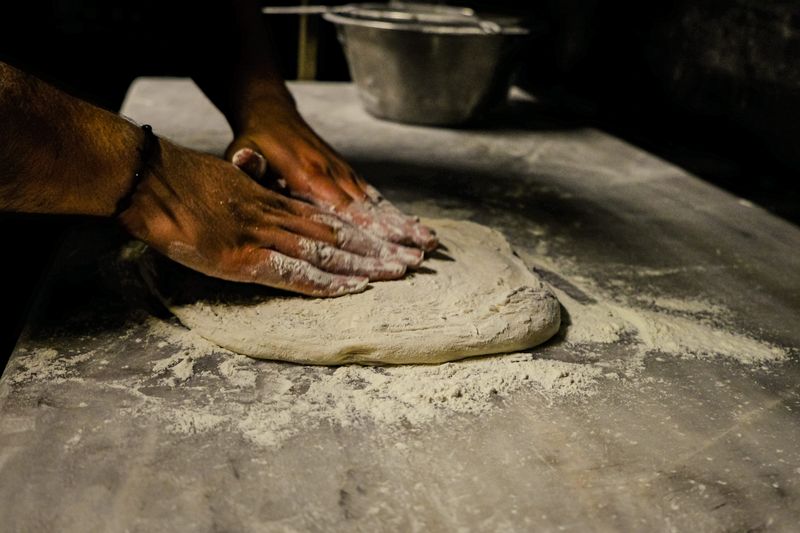
Flour, water, salt and time. Almost every home baking failure is a temperature or timing problem rather than a technique one.
Baking
Swapping ingredients in a cake is not like swapping them in a stew. The quantities are performing structural jobs.
Baking
The dial is a request, not a measurement. Domestic ovens overshoot, undershoot and vary by shelf, and every baking recipe assumes…
Baking
A flat greasy biscuit is not a mystery. Something melted before the structure had a chance to set.
Baking
The same protein network that makes bread chewy makes a cake tough. Whether you develop it is the decision behind most baking…
Baking
Cold, soft or melted, the same butter produces three completely different results from the same list of ingredients.
Baking
Each of the classic cake faults points to a specific step. Reading them tells you what to change rather than what to hope for.
Baking
Leave it out and the dough behaves differently before it ever reaches the oven. The taste is the least of it.
Baking
Both are a misjudgement about how much the flour should be worked. One recipe wants a network and the other wants none.
Baking
Expressing every ingredient against the flour turns a fixed recipe into a formula you can scale, compare and change on purpose.
Baking
The brown shell on a loaf is a sequence of events with a specific order. Interrupting it at the wrong moment is why crusts…
Baking
Taking the wheat out leaves a hole where the structure used to be. Successful recipes are built to fill it, not adapted to survive…