Weeknight Dinners
One-pot dinners work when the liquid is doing a job
A single pan is not automatically simpler. It works when the cooking liquid becomes the sauce instead of being drained away.
What follows is an argument about one-pot cooking, and about where the received version of it stops being true.
The argument in brief
- The liquid must end up as sauce, or the pot is just a pan with washing up saved.
- Starch released by pasta, rice or potatoes is what thickens a one-pot dish.
- Ingredients go in in order of cooking time, not in order of the recipe.
The liquid is the whole design
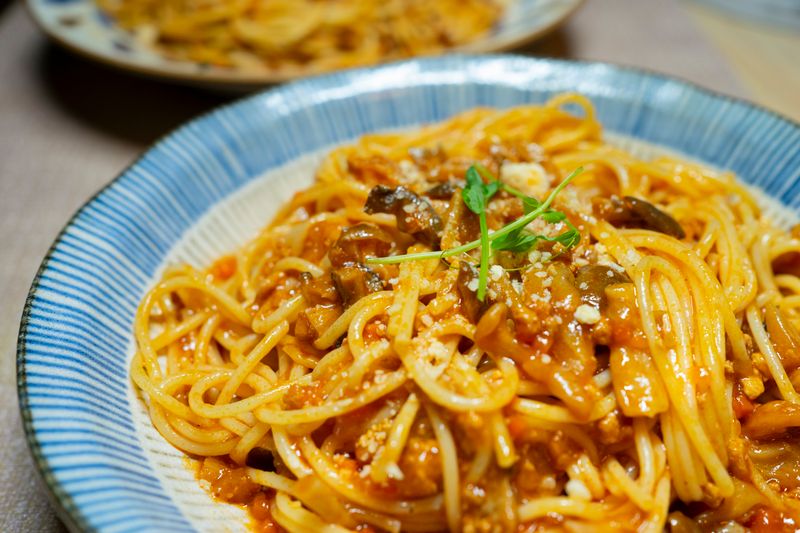
In a working one-pot dish the water that cooks the ingredients ends up as the sauce, carrying everything that leached out of them. That is why one-pot pasta tastes different from pasta cooked and drained: the starch and seasoning stay in the pan. If you would have poured the liquid away, the dish is not really a one-pot dish and the technique gains you nothing.
Getting the quantity right is the difference between a sauce and a soup, and it is judged by eye near the end.
Starch is the thickener you already have
Pasta, rice, potatoes and pulses all release starch into the cooking liquid, which thickens it and helps it cling. This is the same mechanism as saving pasta water, running continuously rather than as a rescue at the end.
It also means the pot needs stirring more than a drained method would, because starch settles and catches on the base. A heavy pan matters here for the same reason it matters for searing: thin bases scorch where thick ones do not.
Order by cooking time
Everything goes in at the point that leaves it correctly cooked at the end, which means working backwards from the finish. Onions and hard root vegetables first, grains and pulses next, quick vegetables and delicate protein last.
The frequent failure is adding everything at once and accepting that some of it will be mush. Frozen peas, spinach and herbs need only the residual heat and should go in after the pan is off.
Brown first or accept less flavour
Most one-pot recipes begin with a browning step for a reason, and skipping it produces a noticeably flatter dish. The fond that forms in the first few minutes dissolves into the liquid and is where the savoury depth comes from. If you skip it, compensate with something concentrated: tomato puree cooked out, miso, soy, anchovy or a parmesan rind.
Browning in a crowded pot does not work, so brown in batches or accept a stewed result and season harder.
Choose ingredients that tolerate the same conditions
A one-pot dish subjects everything to the same liquid, the same temperature and the same time, which suits some ingredients badly. Firm fish, chicken thighs, sausages, pulses and root vegetables all cope; lean chicken breast, white fish and green vegetables mostly do not. You can cheat by adding the fragile things at the very end and letting them cook in residual heat.
If you are short of time, anything you wanted crisp is the one thing a single pot genuinely cannot give you.
Adjust seasoning at the end rather than trusting a quantity written by a stranger.
Judge the end by texture, not the clock
Absorption times vary with the pan, the hob, the lid and the age of the grain or pulse, so a stated time is a rough guide. Taste a grain rather than trusting a timer, and add hot liquid in small amounts if it is dry before it is tender.
In practice, a dish that looks slightly loose off the heat will tighten as it stands, so stop before it looks right. Resting for five minutes with the lid on evens out the moisture and improves almost every one-pot dish.
The takeaway
If you would have drained it, it is not a one-pot dish. Make the liquid the sauce.
The good version is the one you can make on a Wednesday.
Questions readers ask
Why does my one-pot pasta go gluey?
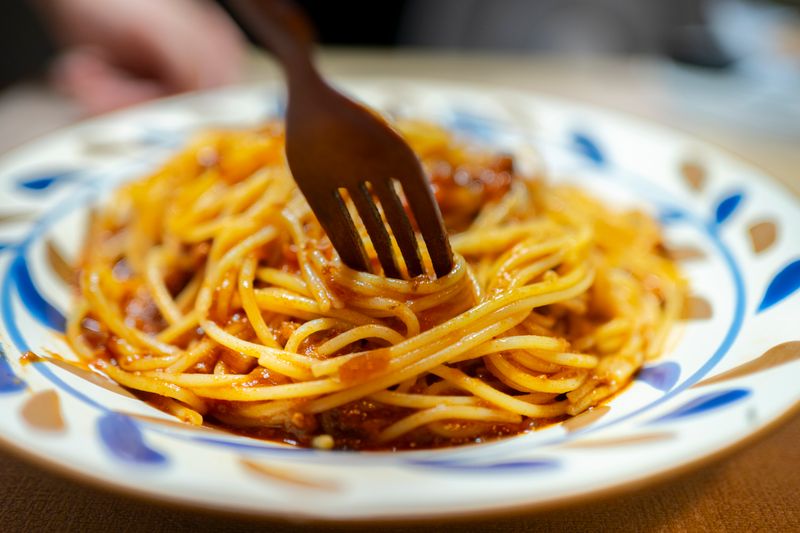
Too little liquid or too much stirring at high heat releases more starch than the sauce can carry. Use a wider pan, keep the simmer gentle, and add hot water if it tightens too early.
Can I use any pasta shape?
Short sturdy shapes work best because they cook evenly in a shallow layer. Long thin shapes clump unless the pan is wide enough to lay them flat.