Technique
Heat transfer explains most of the instructions in a recipe
Conduction, convection and radiation sound like a physics lesson. They are the reason a recipe tells you to use a lid, a rack or a hot tray.
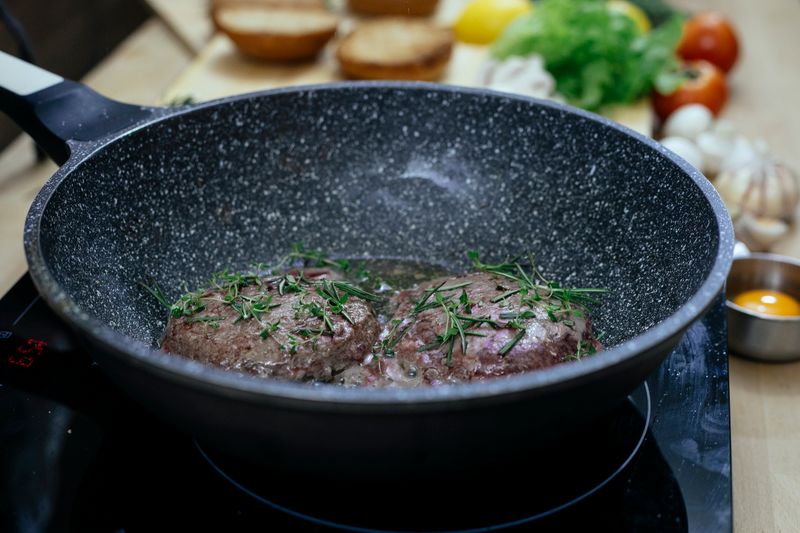
This looks at how heat cooks food from the practical end — what holds up once conditions stop being ideal.
What holds up in practice
- Water in food caps its surface temperature near boiling until the surface dries.
- Dry heat browns; wet heat cannot, because the temperature ceiling is too low.
- Air is a poor conductor, which is why an oven feels gentler than a pan at the same temperature.
Three ways heat arrives
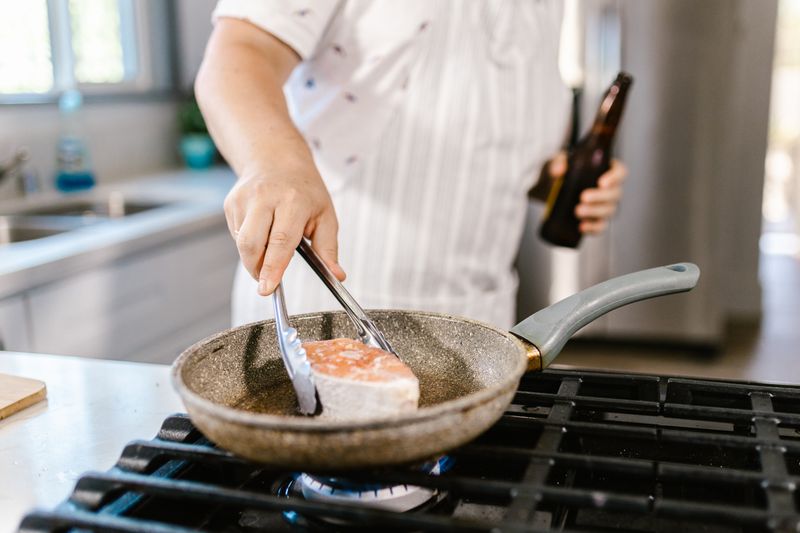
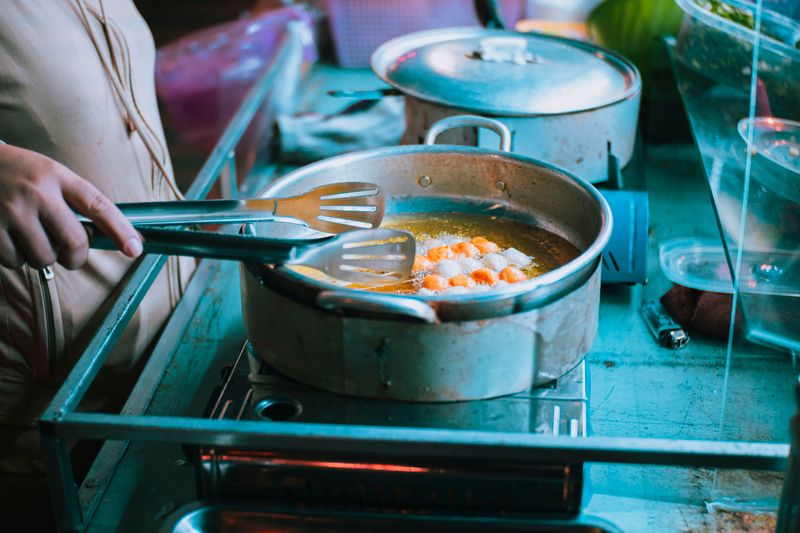
Conduction is contact: a pan touching a steak, or heat travelling inward through the meat itself. Convection is a moving fluid carrying heat, whether that is air in a fan oven, water in a pot or oil in a fryer.
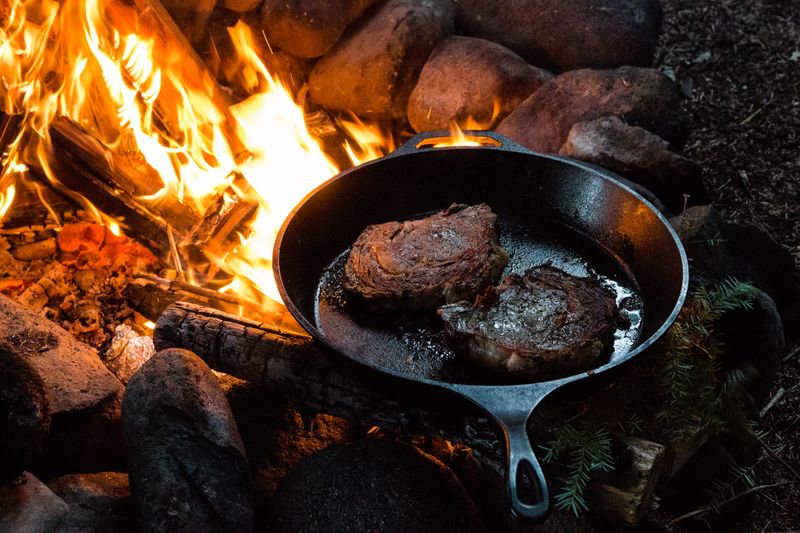
Radiation is heat travelling as infrared, which is what a grill element and glowing charcoal are doing. Most cooking uses two or three at once, and knowing which one dominates tells you what to change when something goes wrong.
Why water sets a ceiling
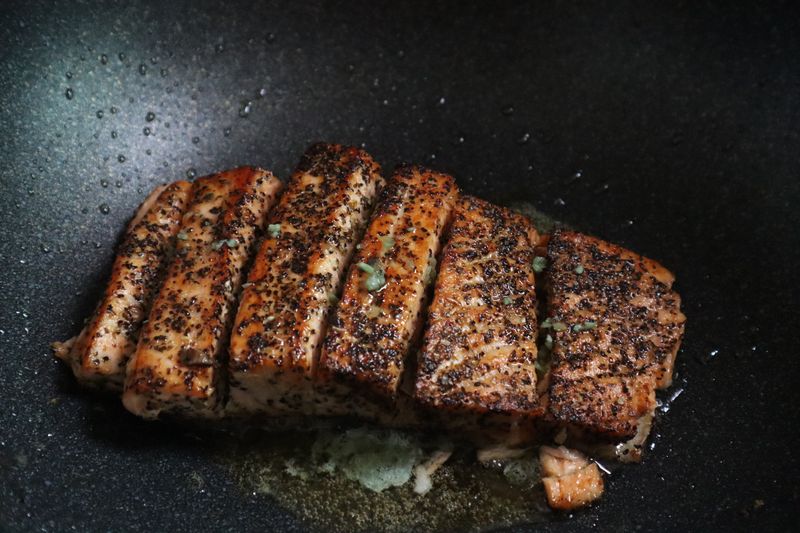
While liquid water is present at the surface it holds the temperature near its boiling point, because the energy goes into evaporation. Browning reactions need a good deal more than that, which is why nothing boiled, steamed or poached ever browns. It also explains why a wet surface must dry before a sear starts, and why a lid prevents crisping.
The corollary is useful: anything you want brown must be dry, and anything you want gently cooked can be kept wet on purpose.
Air is slower than it looks
An oven at a given temperature cooks far more gently than a pan at the same temperature because air conducts heat poorly. You can hold a hand in a hot oven for a moment and not in boiling water at a much lower temperature. A fan speeds this up by removing the insulating boundary layer of still air around the food, which is why fan recipes reduce the temperature.
Nine times out of ten, it is also why a preheated metal tray browns the underside of a pizza that hot air alone cannot.
Mass, contact and recovery
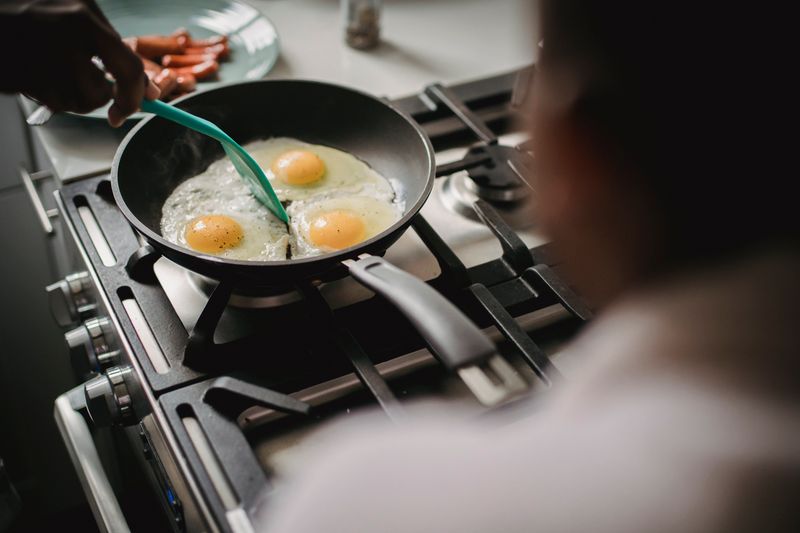
A heavy pan stores energy and gives it up to the food quickly, keeping the surface temperature high when cold food arrives. A thin pan cannot, which is the mechanism behind most crowded-pan failures. Good contact matters too: a flat pan on a flat hob transfers far more than a warped one that touches in three places.
This is also why food should be pressed into contact briefly rather than moved around for the first minute of a sear.
Heat has to travel inward
Once heat reaches the surface it still has to conduct to the centre, and food conducts heat poorly. That lag is why a thick piece can be burnt outside and raw inside, and why lower heat for longer fixes it.
On a weeknight, bone, fat and air pockets all conduct at different rates, which is why a bone-in joint cooks unevenly around the bone. Letting cold food sit out briefly reduces the gradient a little, though the effect is smaller than commonly claimed.
Using the model to troubleshoot
Burnt outside and raw inside means too much heat at the surface: lower the temperature or move the food further from the source. Pale and wet means the surface never got hot enough: dry it, use less food at once, or use a heavier pan. Cooked unevenly means the heat is arriving from one side only: turn it, use a rack, or move to an oven.
If you are short of time, almost every fault has a heat-transfer answer, which is more useful than a list of remedies to memorise.
The takeaway
Ask what is carrying the heat and whether the surface is wet. Most cooking problems answer themselves.
Taste it before it leaves the pan. That is most of cooking.
Questions readers ask
Should I use the fan setting?
For roasting and biscuits, yes, since faster air speeds browning and evening out. For delicate cakes and custards the extra air movement can dry the surface, and many bakers turn it off.
Does a hot oven cook faster than a hot pan?
Rarely, at the same temperature. Air transfers heat far more slowly than metal, so the pan sears while the oven mostly warms.
Also by Naledi Mothibi
- Salt at every stage beats salt at the endTechnique
- One-pot dinners work when the liquid is doing a jobWeeknight Dinners
- Home stir frying fails because the pan gets coldWeeknight Dinners
- Resting meat is about temperature gradients, not magicTechnique