Pantry & Shopping
Seasonal buying is about price and water, not virtue
Produce in season is cheaper and tastes of more because it was grown nearby and picked closer to ripeness. The moral framing gets in the way of the practical case.
What follows is the working version of seasonal produce: the decisions in the order you actually meet them, with the reasoning attached.
Before you start
- Produce picked ripe has developed more sugars and aromatic compounds.
- Abundance pushes prices down, so seasonal shopping is usually cheaper.
- Seasons are local, so any published calendar applies to one region only.
Ripeness is the actual difference
Fruit and vegetables destined to travel are often picked before full ripeness so they survive the journey. Some ripen further off the plant, but sugars and aromatic compounds that develop while attached do not continue accumulating. That is why a tomato in its local season tastes of something and one in midwinter frequently does not.
Species vary: bananas and avocados ripen well after picking, while melons, berries and tomatoes largely do not.
Price follows supply
When a crop is abundant locally the price falls, sometimes dramatically, and quality is at its highest at the same moment. Building a week around whatever is cheap and piled high is the oldest form of meal planning there is.
Nine times out of ten, it also reverses the usual relationship in which eating well costs more. A market stall or a greengrocer makes this visible in a way that a supermarket shelf with constant pricing does not.
Seasons are local, not universal
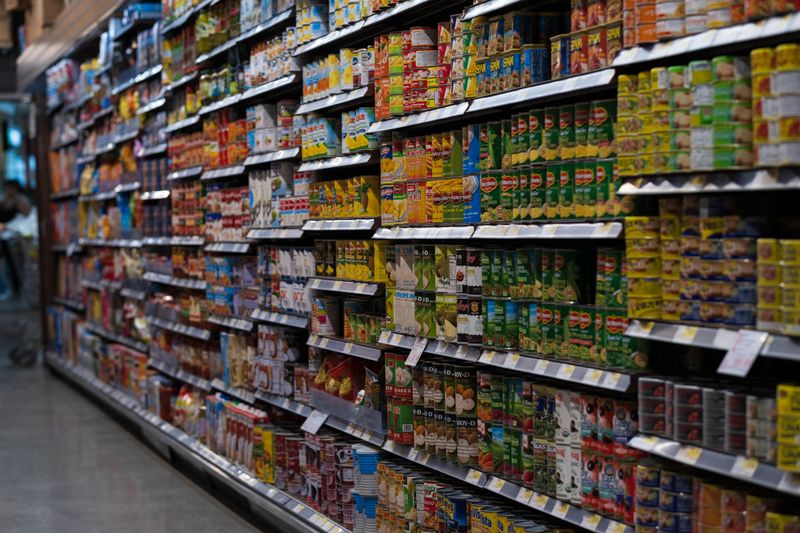
Any published seasonal calendar applies to a specific region and hemisphere and is misleading elsewhere. Global supply chains mean the same produce is in season somewhere all year, which is why supermarkets can stock everything constantly. The useful question is what is in season where you are, which local markets answer more honestly than labels do.
If you are short of time, growing conditions vary between years too, so a season shifts by weeks depending on the weather.
The environmental picture is complicated
Transport is often a smaller share of the total impact of food than production methods, which complicates any simple local-is-better rule. Heated glasshouse production close to home can carry a higher footprint than field-grown produce shipped by sea. Storage over months also has costs, so late-season stored produce is not the same as fresh in season.
The honest position is that this is contested and varies by crop and country, and the flavour and price arguments are much more clear-cut.
Cooking with a glut
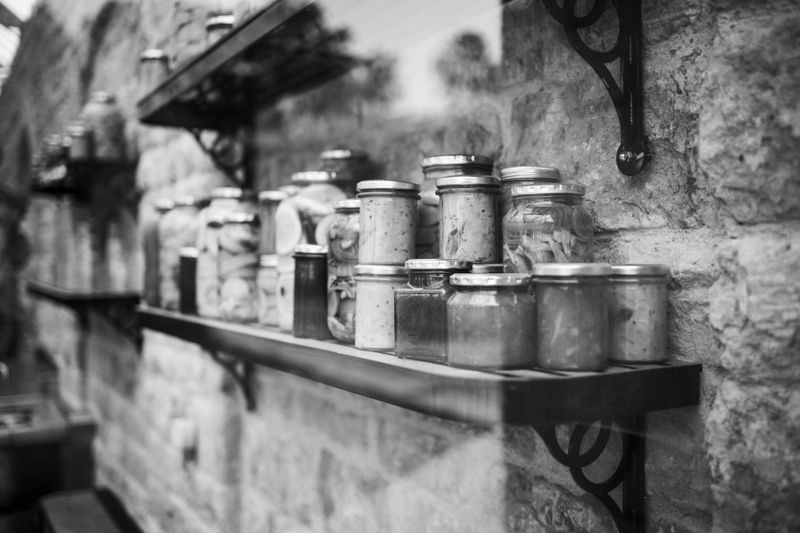
Seasonal abundance means large quantities of one thing, which is where preserving, freezing and batch cooking earn their place. Roasting a tray of something cheap and freezing it in portions extends the season by months. Simple preserving such as quick pickles and freezer jam requires no special equipment, though anything canned or bottled for long storage has genuine safety requirements.
Nine times out of ten, for long-term preserving, follow tested methods and your national food safety guidance rather than improvising, since the risks with low-acid foods are real.
Substitute freely; the method matters more than the shopping list.
Letting the shop decide
Shopping without a fixed list and building meals around what looks good is a different skill from following recipes. It requires a repertoire of methods rather than dishes, which is why technique matters more than a recipe collection.
The part that matters: a tray bake, a soup, a braise and a stir fry between them absorb almost any vegetable. This is also the approach that produces the least waste, since you are buying what is good rather than what a recipe demanded.
The takeaway
Buy what is cheap and piled high locally, and build the week around it rather than around a list.
Get the heat and the salt right and the rest is detail.
Questions readers ask
Is local always better?
Not necessarily. The environmental picture depends on how the food was produced as much as how far it travelled. The reliable benefits of buying in season are flavour and price.
How do I know what is in season?
Look at what is cheap and abundant where you shop, and check a calendar published for your own region rather than a general one.
Also by Hugo Lefevre
- What to keep in a cupboard so dinner is always possiblePantry & Shopping
- Most food waste is a storage problem, not a cooking onePantry & Shopping
- Rice varieties are not interchangeable, and starch is whyPantry & Shopping
- Buying olive oil without believing the labelPantry & Shopping