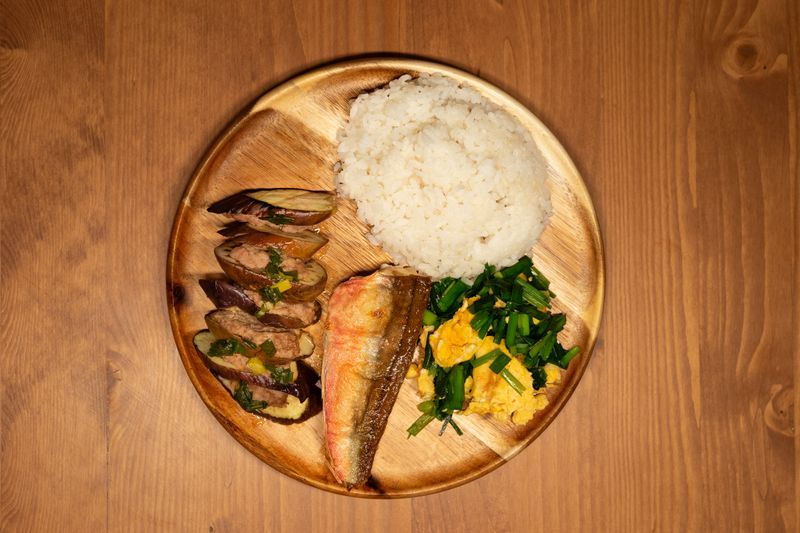
Weeknight Dinners
Two burners beat one when the clock is the problem
Cooking two things one after another takes as long as both. Cooking them alongside each other takes as long as the slower one, and that is the whole saving.
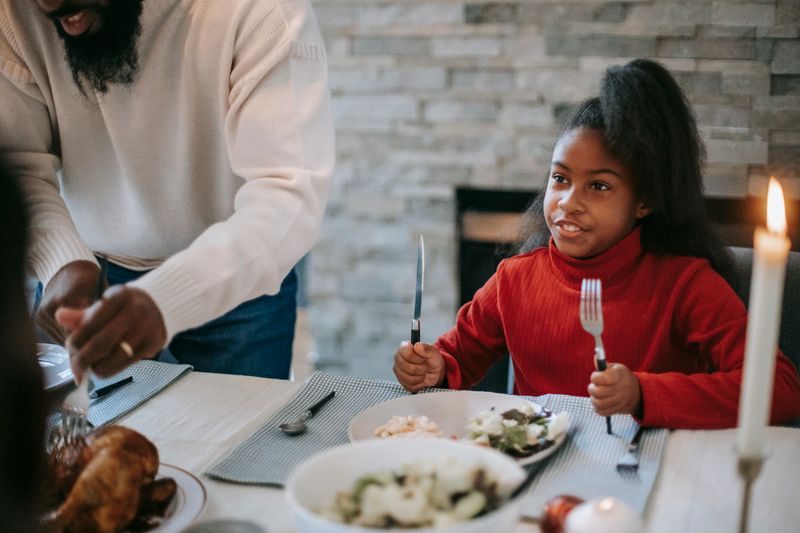
This is written to be used rather than admired. Each section below is a decision about running two pans, and each one has a default.
Before you start
- Parallel cooking finishes in the time of the longer task, not the sum of both.
- Attention is usually the limit rather than the number of burners.
- Pair one hands-off pan with one hands-on pan instead of two demanding ones.
Sequential cooking wastes the waiting
A pan of rice needs almost no attention for most of its cooking, and standing over it converts a free interval into dead time. The same is true of anything braising, anything in the oven and anything coming slowly up to a simmer under a lid.
Every one of those intervals is long enough to prepare, start or finish a second component if it has been planned for. Cooks who seem quick are rarely working faster with their hands, they are simply not letting those waiting periods go unused. The saving is arithmetic rather than skill, and it applies just as much to a beginner as to somebody with twenty years of practice.
Pair a slow pan with a fast one
Two components that both need constant stirring will collide, because your attention cannot be genuinely split between them. A grain simmering under a lid alongside vegetables in a hot pan is a workable pair, since only one of them wants watching. Anything in the oven is the easiest partner of all, as the door stays shut and the timing is handled by the clock.
The pairing to avoid is two things that both finish suddenly, such as a stir fry alongside eggs, since one will inevitably sit and spoil. Choosing the pair well is most of the technique, and it is a decision made before either pan is on the heat.
Attention is the scarce resource
Most kitchens have more burners than the cook can genuinely supervise, which is why a four-ring hob rarely runs four pans well. Two active tracks is roughly the limit for one person, and a third only works when it is passive, such as a kettle or an oven. Interruptions from the rest of the house consume the same attention, so a busy household effectively reduces the number of tracks available.
On a weeknight, setting a timer for the pan you are not looking at is not a crutch, it is what makes the second track safe to ignore. When something does burn during parallel cooking, the cause is almost always an unwatched pan with no timer rather than genuine bad luck.
The oven is a second track you already own
An oven cooks without supervision, holds a stable temperature and tolerates a few extra minutes far better than a hot pan does. Putting the slowest element in the oven and the fastest on the hob is the cleanest way to split a dinner into two tracks.
Nine times out of ten, preheating counts as part of the slow track, so the oven should go on before anything is chopped rather than after. A tray that is already hot when the food lands on it browns rather than steams, which is a separate benefit of starting early.
The oven also frees the hob entirely, which matters most in small kitchens where two pans physically will not fit side by side.
What actually goes wrong
The commonest failure is starting the fast pan too early, so a stir fry sits going soft while a grain finishes. The second is running out of hands at the moment both pans need something, which is a planning fault rather than a speed fault. The third is space, since two pans, two boards and the ingredients for both will not fit on a small worktop without clearing as you go.
The part that matters: washing the board and the knife between tracks is not tidiness, it is what keeps raw and cooked ingredients separate, and local food safety guidance covers this in detail. Each of these is solved in the thirty seconds of planning before the heat goes on, and none of them is solved once the cooking has begun.
Substitute freely; the method matters more than the shopping list.
Practise it on something you already know
A meal you have cooked many times is the right place to learn parallel timing, because you already know how long each part takes. Trying it for the first time on an unfamiliar recipe adds two unknowns at once and usually ends with something overcooked. Write the two tracks as two short columns and mark the point where they have to meet at the end.
After a few repetitions the columns become unnecessary, and the meal that used to take an hour lands in rather less. The gain compounds across a week, because almost every dinner has a slow element and a fast one waiting to be run together.
The takeaway
Pair one pan that needs watching with one that does not, and the meal finishes in the time of the slower half.
Taste it before it leaves the pan. That is most of cooking.
Questions readers ask
How many pans can one person really manage?
Two that need attention, plus anything passive such as an oven or a covered pot. Beyond that something goes unwatched and usually overcooks.
Does this work on a small hob?
Yes, and the oven becomes more important there. Put the slow element in the oven so the single usable burner is free for the fast one.
Also by Piotr Wesely
- The tray bake is the most underrated weeknight methodWeeknight Dinners
- The short list of kitchen equipment that earns its spaceKitchen Kit
- Fifteen minutes is a shopping decision, not a cooking speedWeeknight Dinners
- Mise en place is not fussiness, it is the reason nothing burnsWeeknight Dinners