Weeknight Dinners
Two vegetables and a protein is a plate, and the rest is decoration
Most weeknight paralysis comes from trying to compose a meal. There is a structure underneath, and it is short.
This is written to be used rather than admired. Each section below is a decision about building a plate, and each one has a default.
Before you start
- A plate needs a protein, something starchy, something vegetable and something sharp.
- Texture contrast does more for a meal than an extra component.
- Choosing the structure first removes most of the daily decision.
The underlying structure
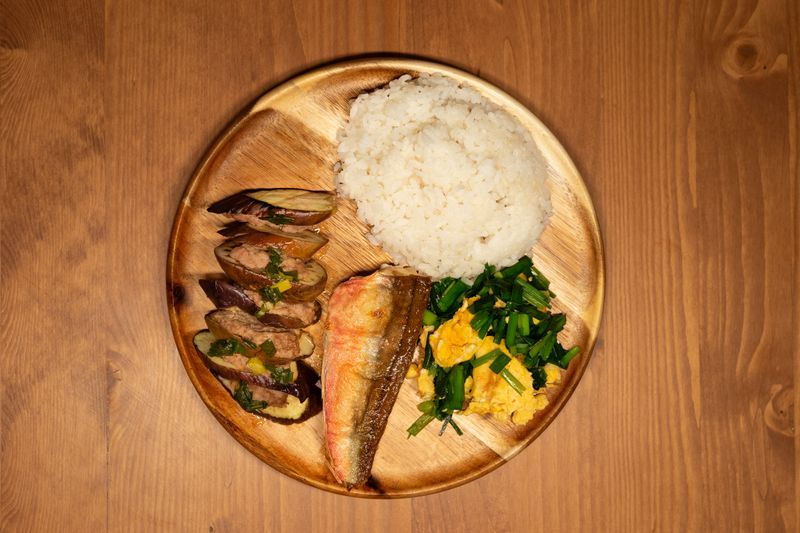
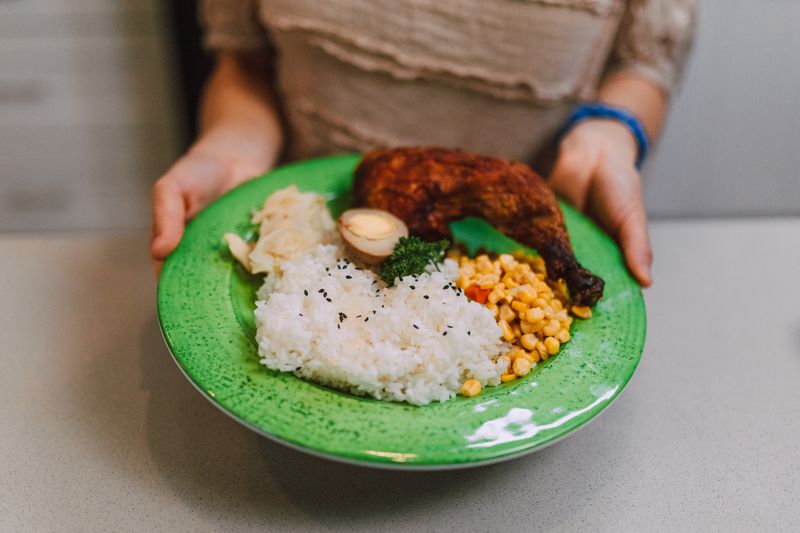
Most satisfying plates have a protein, a starch, a vegetable and something acidic or pungent for contrast. Cuisines all over the world land on some version of this because it balances satiety, texture and interest. Once you see it as a structure, dinner becomes filling four slots rather than inventing a dish.
A slot can be filled by something from a jar, and nothing is diminished by that.
The sharp element is the one people skip
A pickle, a squeeze of lemon, a spoonful of yoghurt or a chilli sauce is what stops a plate reading as heavy and flat. It costs nothing and takes seconds, and its absence is the most common reason a competently cooked meal feels dull. Acid cuts through fat by contrast, which makes the rich parts of the plate taste better rather than lighter.
Keeping two or three of these in the fridge permanently makes the habit automatic.
Texture matters as much as flavour
A plate where everything is soft is tiring to eat regardless of how well seasoned it is. Toasted nuts, seeds, breadcrumbs, raw sliced vegetables or crisp onions all fix it in seconds. This is why a salad alongside a stew works so well and why an all-braised plate can disappoint.
Nine times out of ten, adding crunch is a cheaper improvement than adding another cooked component.
Cook one thing properly, buy the rest
Making one element from scratch and assembling the others is how most people actually eat well on weeknights. Good bread, a decent hummus, a tinned fish or a jar of beans can carry a plate while you focus on one pan. This is a different skill from cooking a whole meal, and it is the more useful one for a working week.
Shopping to support it means buying components rather than recipes.
Portion by what fills the plate
Building around vegetables and a starch, with protein as a substantial component rather than the whole event, tends to be cheaper and more filling. It is also easier to scale up when someone extra turns up, since the flexible parts are the cheap parts. General dietary guidance in most countries points broadly in this direction, though specifics differ and any individual dietary need should go to a qualified professional.
For cooking purposes, the practical benefit is that the expensive ingredient stretches further.
Adjust seasoning at the end rather than trusting a quantity written by a stranger.
One plate, several meals
The same structure absorbs any cuisine, since every component slot has options in every tradition. It also makes leftovers obvious, because the components are already separate rather than combined.
Deciding the structure on a Sunday and letting the shopping fill the slots removes most of the weekday thinking. This is the difference between meal planning and menu planning, and the first is far more durable.
The takeaway
Protein, starch, vegetable, something sharp. Fill four slots and stop composing.
Taste it before it leaves the pan. That is most of cooking.
Questions readers ask
Do I need a starch at every meal?
No, and plenty of good plates skip it. It is a satiety and cost component, and a substantial vegetable or pulse element can do the same job.
How do I make a plate feel less boring?
Add something sharp and something crunchy before adding another cooked dish. Those two changes do more than a fourth component.
Also by Naledi Mothibi
- Salt at every stage beats salt at the endTechnique
- One-pot dinners work when the liquid is doing a jobWeeknight Dinners
- Home stir frying fails because the pan gets coldWeeknight Dinners
- Heat transfer explains most of the instructions in a recipeTechnique