Pantry & Shopping
Onions, garlic and potatoes are stored wrong in most kitchens
These three keep for weeks in the right place and spoil in days in the wrong one. The right place is different for each, and they should not be together.
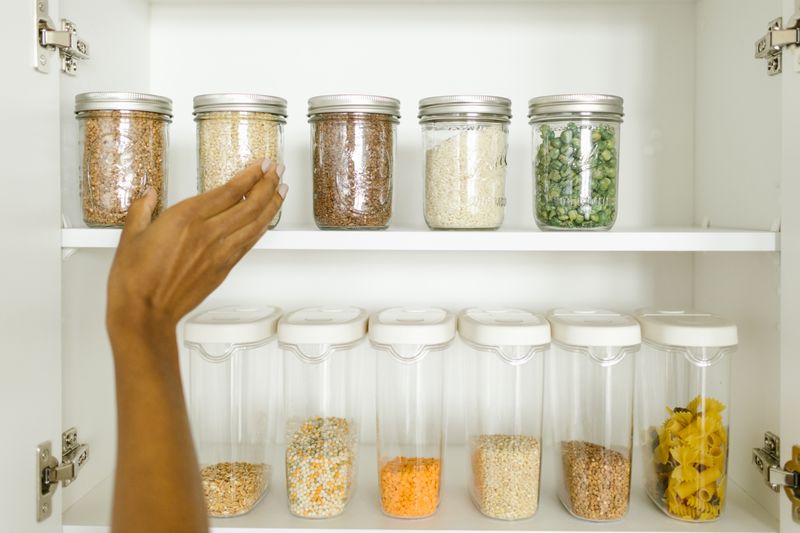
This looks at storing alliums and potatoes from the practical end — what holds up once conditions stop being ideal.
What holds up in practice
- Potatoes sprout and soften in warmth and turn sweet in the cold.
- Onions need dry air and darkness, and moisture makes them soft.
- Storing onions and potatoes together shortens the life of both.
Why they are treated as one problem
These three sit in the same bowl in a great many kitchens because they are all bought loose and all keep longer than salad. They actually have different requirements, and the compromise position on the worktop suits none of them particularly well.
Because they keep reasonably long even when stored badly, the loss is gradual and rarely noticed as waste. Getting the storage right extends their life substantially at no cost, which makes it one of the higher-return kitchen habits. It also means the ingredients that anchor most savoury cooking are reliably usable rather than half sprouted.
Potatoes want cool, dark and ventilated
Light causes potatoes to green, which is a visible sign of compounds forming that make them taste bitter and are best avoided. Warmth encourages sprouting, since the tuber responds to conditions that resemble the beginning of a growing season. Very cold storage converts some starch to sugar, which changes both the flavour and the way the potato browns when cooked.
At the stove, the compromise is a cool dark place with air movement, which in most homes means a low cupboard rather than the fridge. Guidance on handling greened or heavily sprouted potatoes varies, so follow the advice issued by your own food safety authority.
Onions and garlic want dry and dark
Both are storage organs adapted to sit dormant, and they keep well as long as they are dry and out of direct light. Moisture is the main enemy, which is why a sealed plastic bag causes them to soften and spoil far faster than an open basket.
Refrigeration makes onions soft and encourages them to take up moisture, so the fridge is generally the wrong place for a whole one. Garlic sprouts in warmth and softens in damp, and a green shoot inside a clove is a sign it has been stored too long or too warm. A cut onion is a different case entirely and should be covered and refrigerated, and used within the period local guidance suggests.
Why they should not share a container
Potatoes give off moisture and a certain amount of gas as they respire, and onions kept in that atmosphere soften and sprout. Onions in turn are dry and can draw moisture in ways that do the potatoes no favours in a confined bowl. The traditional arrangement of separate baskets in a cool larder existed precisely because this interaction was well known.
On a weeknight, in a modern kitchen two separate containers in different cupboards achieves the same thing with no special equipment.
The improvement is easy to observe, since the same purchase lasts noticeably longer once they are separated.
Ethylene and the wider fruit bowl
Some fruits release ethylene gas as they ripen, and that gas accelerates ripening and sprouting in other produce nearby. Storing potatoes beside such fruit is a common and avoidable cause of early sprouting. The same effect can be used deliberately to ripen something hard by placing it near a fruit that is already ripe.
Which produce releases ethylene and which is sensitive to it is documented in most produce storage references and is worth checking once. Simply keeping fruit and vegetables in separate places removes most of the problem without needing to remember the details.
A workable arrangement in a normal kitchen
One ventilated container in the coolest low cupboard for potatoes, and another elsewhere for onions and garlic, covers it. Cardboard, wicker or a paper bag with the top open all work, and anything sealed and airtight does not.
Checking the containers weekly and removing anything soft prevents one spoiling item from affecting everything around it. Buying quantities that match how fast you actually use them matters as much as the storage method itself. Where a kitchen has no cool cupboard at all, buying smaller amounts more often is the honest solution rather than a clever container.
The takeaway
Separate containers, cool and dark, nothing sealed, and never onions and potatoes in the same bowl.
Taste it before it leaves the pan. That is most of cooking.
Questions readers ask
Should potatoes go in the fridge?
Generally no. Cold converts some of the starch to sugar, changing the flavour and the way they brown. A cool dark cupboard is better.
Why do my onions go soft so quickly?
Usually moisture, from a sealed bag, the fridge, or sitting next to potatoes. Keep them dry, dark and ventilated, and away from anything that gives off damp.
Also by Hugo Lefevre
- What to keep in a cupboard so dinner is always possiblePantry & Shopping
- Most food waste is a storage problem, not a cooking onePantry & Shopping
- Rice varieties are not interchangeable, and starch is whyPantry & Shopping
- Buying olive oil without believing the labelPantry & Shopping