Pantry & Shopping
Flour is sold by name and bought by protein
The words on the bag describe a tradition rather than a specification. What actually changes your baking is the protein content and how finely it was milled.
There is a settled way of talking about choosing flour. It is worth asking how much of it survives contact with the detail.
The argument in brief
- Protein content determines how much gluten a dough can develop.
- The same category name covers different protein levels in different countries.
- Flour absorbs moisture from the air, which changes how much liquid a recipe needs.
The name on the bag is a category, not a number
Terms like plain, strong, all purpose and bread flour describe intended use rather than a defined composition. The protein level behind the same word varies between countries and between mills, sometimes by enough to change a recipe noticeably. Many bags print the protein content in the nutrition panel, which is the most useful number on the packaging.
Comparing that figure between two bags tells you more than any description on the front of either one. This is why a bread recipe from another country can behave unexpectedly with a local flour that carries the same name.
What protein actually does
The proteins in wheat form gluten when they are hydrated and worked, and that network is what traps gas and gives structure. More protein means a stronger, more elastic network, which suits bread and anything that needs to hold its shape while rising. Less protein means a weaker network and a more tender result, which suits cakes, pastry and anything where chewiness is a fault.
Nine times out of ten, using a strong flour in a cake produces something tough, and using a weak one in bread produces something that spreads. This single variable explains a large proportion of the differences between flour types on a supermarket shelf.
Milling and extraction
Wholemeal flours contain the bran and the germ, which interfere physically with the gluten network and absorb more water. That is why a wholemeal dough feels different and why substituting it directly for white flour usually needs more liquid.
The bran also carries oil, which is why wholemeal flours go stale considerably faster than white ones. Very finely milled flours behave differently again, absorbing liquid faster and producing a smoother texture in delicate baking. Extraction rate and fineness are rarely stated plainly on home packaging, so this is where experience with a specific bag counts.
Flour changes with the weather
Flour is hygroscopic, meaning it takes up moisture from the surrounding air and releases it again when conditions change. A recipe that worked in a dry month can feel too wet or too dry in a humid one with no other change.
This is a large part of why experienced bakers hold back some of the liquid and add it according to how the dough feels. Weighing rather than scooping removes a separate error, since a scooped cup of flour varies considerably depending on how it was filled.
Any recipe that gives hydration as a percentage rather than a volume is telling you it expects this variability.
Storing it properly
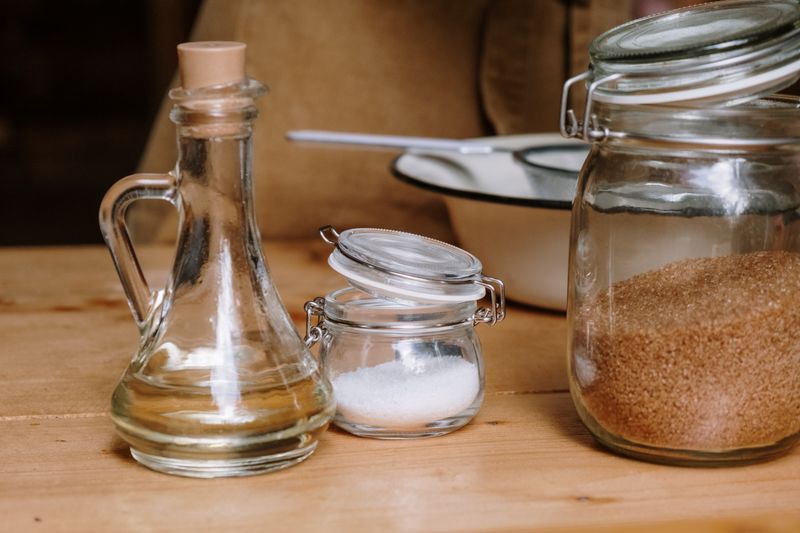
Flour keeps best cool, dry and sealed, and the paper bag it arrives in is not a storage container. Wholemeal and other flours containing the germ benefit from cold storage because the oil in them can go rancid.
A stale or musty smell is the clearest sign that a flour has passed its useful life, and it will carry into the bake. Pests are a real problem in warm storage, and a sealed hard container is the practical defence against them. Buying a quantity you will actually use within a reasonable period matters more for flour than for most cupboard items.
A shelf that covers most baking
One medium-protein general flour and one strong bread flour handle the majority of what a home kitchen bakes. A soft low-protein flour is worth adding if you bake cakes often, and it can be approximated by other means if not. Wholemeal in a small quantity is useful for adding character to bread without committing an entire loaf to it.
The part that matters: beyond that, specialist flours are worth buying for a specific project rather than kept as standing stock. Knowing the protein figure on each bag you own turns substitution from guesswork into a straightforward calculation.
The takeaway
Read the protein figure on the bag rather than the word on the front, and add the last of the liquid by feel.
Get the heat and the salt right and the rest is detail.
Questions readers ask
Can I use plain flour to make bread?
Yes, and it will work, but the lower protein gives a weaker structure and a flatter, softer loaf. Strong flour holds gas better and rises higher.
Why does the same recipe need different amounts of water?
Flour absorbs moisture from the air, and protein and milling vary between bags. Hold back some liquid and add it according to how the dough feels.
Also by Sana Iqbal
- Cook the components, not the mealsBatch & Leftovers
- Stock is the cheapest upgrade available to a home cookBatch & Leftovers
- Roast a chicken once and you have bought three dinnersBatch & Leftovers
- Cooling food quickly is the step almost everyone skipsBatch & Leftovers