Technique
Basting With Butter Is Heat Transfer By Spoon
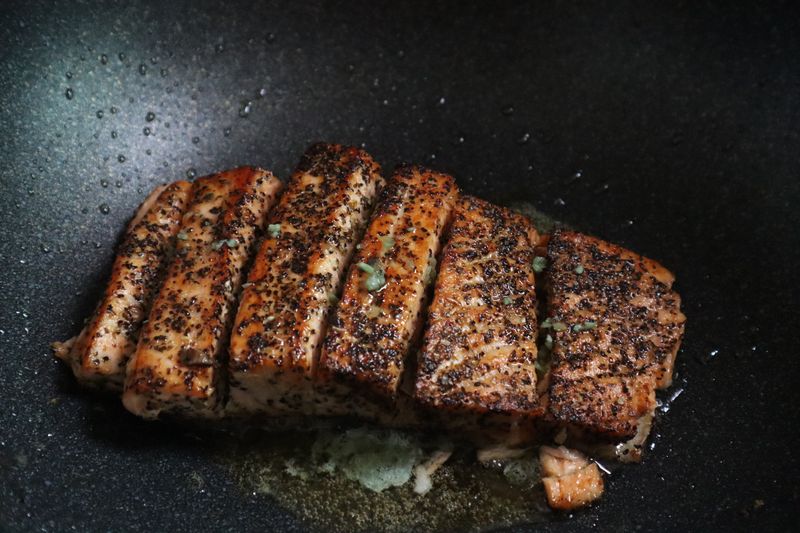
Spooning hot fat over food cooks the top surface without flipping, carries fat-soluble aromatics into the food and browns the areas a pan cannot reach.
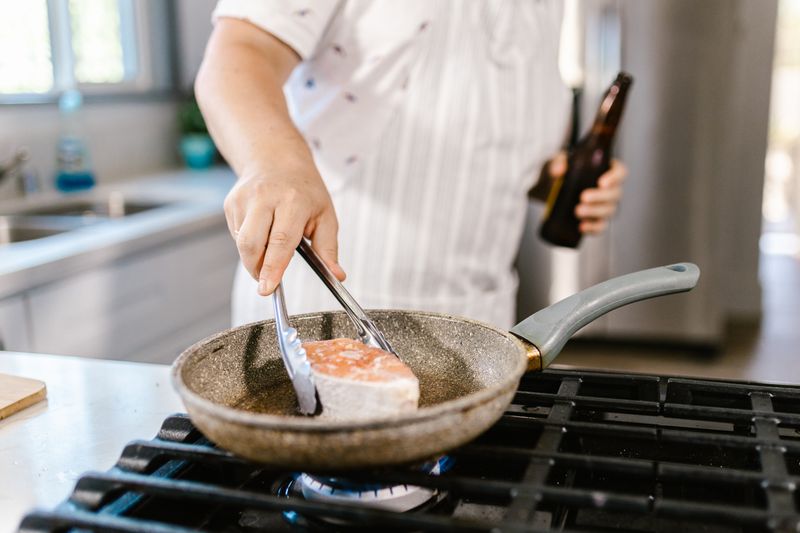
Tilting a skillet and spooning foaming butter over a steak looks like a flourish. It is doing three measurable jobs, and heat transfer is the first of them.
Hot fat cooks the side the pan cannot touch
A pan heats only the surface in contact with it. The top of a thick piece of food is exposed to air, which transfers heat poorly and slowly.
Liquid fat at pan temperature transfers heat far more efficiently than air does. Spooning it over the top delivers real energy to a surface that was otherwise idle.
That shortens the total cooking time and reduces how long the underside sits against the metal, which is what prevents an overcooked crust on one face.
Uneven shapes are the main use case
A flat piece of fish or a thin cutlet contacts the pan evenly and needs no help. A thick chop, a bone-in piece or a whole fish does not.
Basting reaches into the gaps around a bone and up the curved sides, browning surfaces that never lie flat against the pan at any point.
The spoon also lets you direct heat to the thickest section specifically, which is a level of control that flipping alone cannot provide.
The butter carries flavor into the food
Garlic, thyme and rosemary release aromatic compounds that dissolve into fat rather than water. Butter in the pan becomes the vehicle for those compounds.
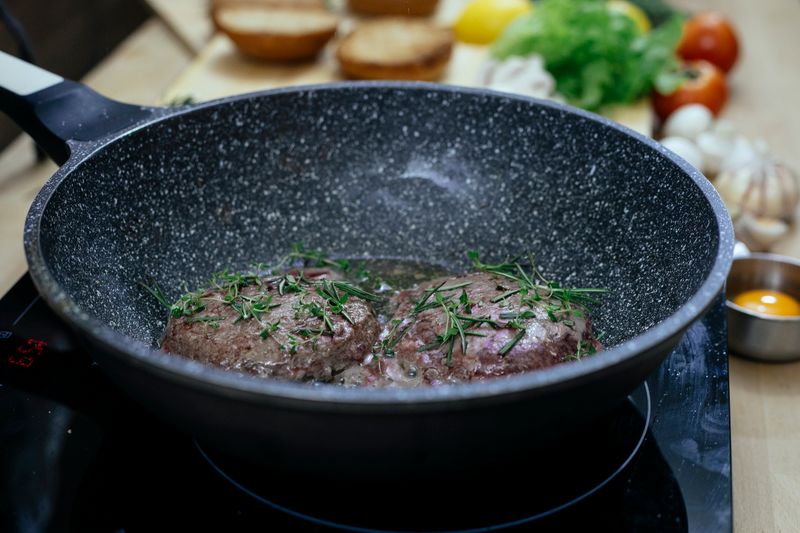
Spooning that infused fat over the surface repeatedly deposits those aromatics on the food, which is a different result from having the herbs simply sit in the pan.
Butter also contains milk solids that brown, and those browned solids contribute a nutty flavor that plain oil does not produce.
Timing keeps the butter from burning
Milk solids scorch at a temperature well below what a hard sear requires, so butter added at the start of a high-heat sear will be black before the meat is browned.
The usual sequence is to sear in oil first, drop the heat, then add butter and aromatics for the final stretch when the pan is no longer at its hottest.
Foaming that turns from pale to nutty brown is the working window. Once it darkens toward black and smells sharp, the fat is past use and should be poured off.
Judging doneness stays a separate question
Basting speeds and evens the cooking, but it does not tell you when the interior has reached where you want it, and surface color is a poor proxy on a thick cut.
A thermometer answers that directly, and published safe-handling guidance covers what internal temperatures different proteins call for.
Carryover also continues after the pan, so the food keeps rising for a while off the heat, which means pulling it before it looks finished.
Questions readers ask
Should I use oil or butter?
Oil for the sear because it tolerates higher temperature, then butter toward the end for flavour and browning. Butter alone burns before a good crust forms.
How do I know the pan is hot enough?
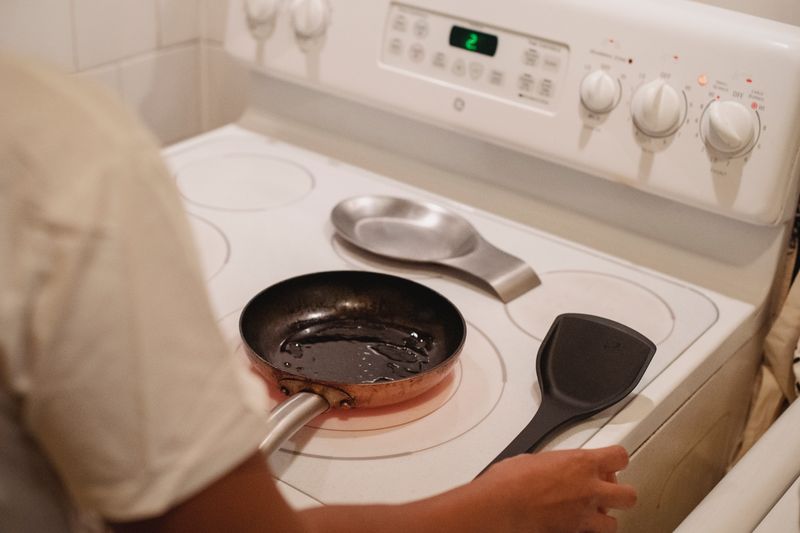
A drop of water should skitter across the surface rather than sizzle in place. For oil, it should shimmer and move freely.
Also by Orla Bannon
- Ten meals is a repertoire, and it is enoughWeeknight Dinners
- Knife skills are about the board, the grip and the speed you are not usingKitchen Kit
- Dried pulses against tins: what you actually gain by soakingPantry & Shopping
- The freezer is a pantry and most people use a third of itPantry & Shopping