Weeknight Dinners
Pasta and sauce should meet in the pan, not on the plate
The last minute of cooking is where a sauce stops sitting on top of pasta and starts clinging to it.
There is a short answer about cooking pasta and a useful one, and they are not the same. What follows is the useful one.
The short version
- Starchy cooking water helps sauce emulsify and cling.
- Pasta finished in the sauce absorbs flavour that draining and pouring cannot deliver.
- Salt the water properly because it is the only chance to season the pasta itself.
Why draining and pouring fails
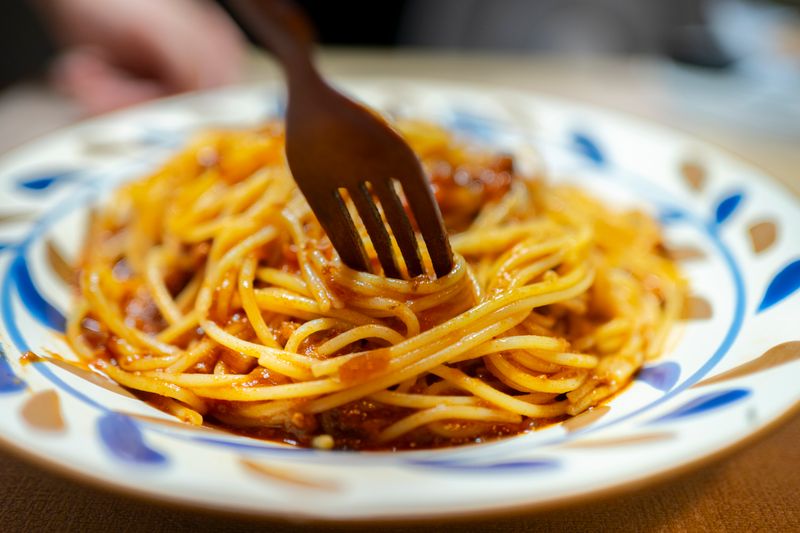
Drained pasta has a smooth wet surface and a sauce poured over it slides off into a pool at the bottom of the bowl. Pasta finished in the pan absorbs some of the sauce and releases starch into it, which thickens the sauce and makes it cling.
This takes about a minute and is the single biggest difference between home pasta and the version in a good restaurant. It also means the pasta should come out of the water slightly underdone, because it finishes in the sauce.
The cooking water is an ingredient
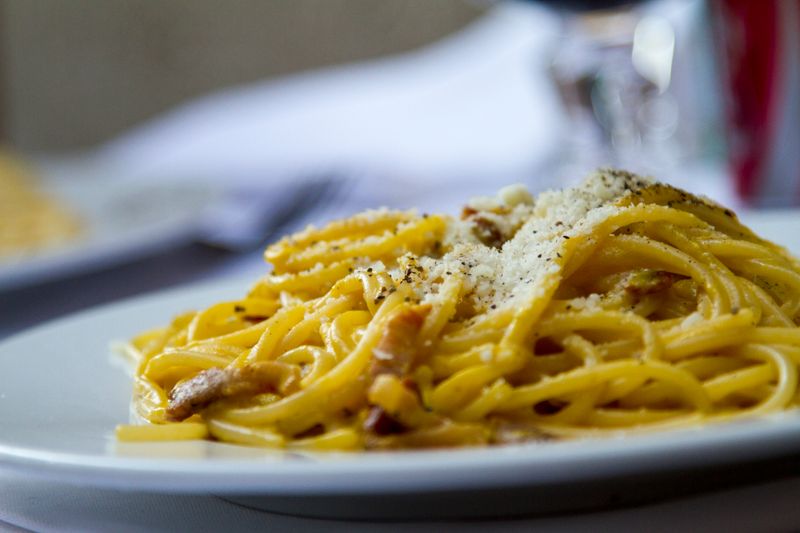
Water that has cooked pasta carries dissolved starch, which acts as an emulsifier between fat and water in the sauce. That is the mechanism behind cacio e pepe, carbonara and any sauce that turns creamy without cream.
If you are short of time, adding it a splash at a time while tossing lets you control the consistency precisely. Saving a mug of it before draining costs nothing and is the step people most often forget.
Salt the water like you mean it
The cooking water is the only opportunity to season the pasta from the inside rather than the outside. Most of the salt goes down the drain, so the quantity added is not the quantity eaten. The water should taste clearly seasoned, and timid water gives pasta that tastes flat under a well-seasoned sauce.
Oil in the water does nothing useful and mostly floats, since it cannot coat submerged pasta.
Shape is a functional choice
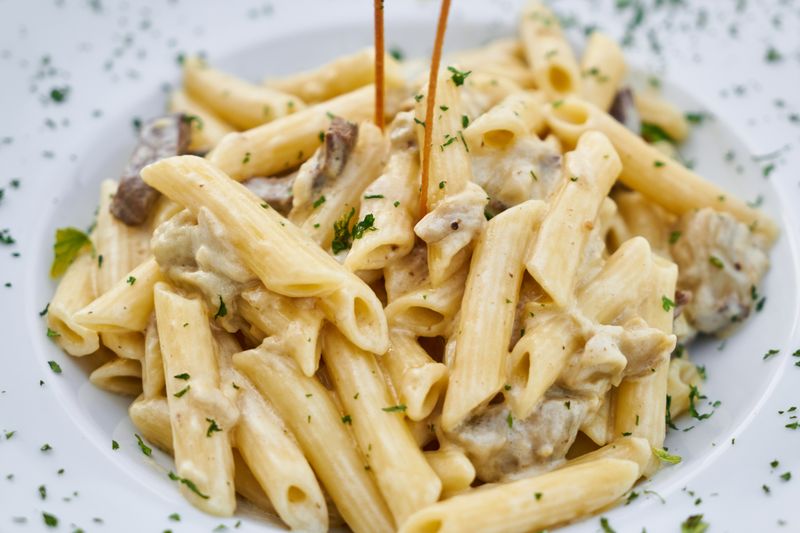
Ridged and hollow shapes hold chunky sauces, which is why they are paired with meat and vegetable ragus. Long thin strands suit smooth or oily sauces that coat rather than sit in pockets. Small shapes suit soups and baked dishes where they need to be eaten with a spoon.
These pairings are practical rather than ceremonial, and ignoring them mostly means the sauce ends up at the bottom.
Timing the whole thing
The sauce should be finished or nearly finished before the pasta goes into the water, not the other way round. Package times are a guide and vary with the shape, the brand and how hard your water boils, so taste from a couple of minutes early.
Pulling the pasta a little short and letting it finish in the sauce is the professional habit worth copying. Working in a wide pan rather than a deep one makes tossing possible, which is how the sauce actually coats.
Leftovers behave differently
Cooked pasta stored in sauce keeps absorbing liquid and softens, so store them separately if you can. Cooled cooked pasta develops resistant starch, which changes its texture and how the body digests it. Reheating with a splash of water and a little fat brings it back better than dry reheating.
Follow your national food safety guidance for storage times, which differ by country.
The takeaway
Undercook slightly, save a mug of water, and finish it in the pan with the sauce.
The good version is the one you can make on a Wednesday.
Questions readers ask
How much water do I need?
Less than tradition suggests. A smaller volume gives starchier water, which helps the sauce, as long as the pasta can move and does not stick.
Should I rinse pasta after draining?
Not for a hot dish, because rinsing washes off the starch that helps the sauce cling. For a cold pasta salad, rinsing to stop the cooking makes sense.