Baking
Bread needs four things and only one of them is skill
Flour, water, salt and time. Almost every home baking failure is a temperature or timing problem rather than a technique one.
This looks at bread baking from the practical end — what holds up once conditions stop being ideal.
What holds up in practice
- Dough temperature controls fermentation speed more than any published timing.
- Hydration determines handling difficulty and crumb structure.
- Underproving and overproving produce distinguishable, correctable faults.
Timings in recipes are approximations
Fermentation rate depends on dough temperature, and a kitchen at eighteen degrees behaves completely differently from one at twenty-six. A recipe saying two hours assumes a temperature it rarely states, which is why the same recipe works in summer and fails in winter.
Judging dough by how it looks and feels — risen volume, a poked indentation springing back slowly — is far more reliable than a clock. Measuring dough temperature after mixing is the single most useful thing a home baker can start doing.
The flour is a bigger decision than the recipe
Bread flour carries more protein than plain flour and forms a stronger gluten network, which is what holds the gas that makes an open loaf. Plain flour still makes perfectly good bread and makes a softer, tighter one, which is the right answer for a sandwich loaf and the wrong one for a wet, open-crumbed bake.
The part that matters: wholemeal absorbs more water and its bran cuts through gluten strands as it hydrates, so a wholemeal dough needs more liquid and rises less however carefully it is handled. Flour also ages and takes up moisture from the air, which is part of why a bag that behaved in January handles differently in a humid July.
Hydration is the main variable
The ratio of water to flour determines how sticky the dough is and how open the crumb becomes. Higher hydration gives a more open, moist crumb and is considerably harder to handle. Starting lower and increasing as your handling improves is a much less frustrating path than starting at a fashionable percentage.
Nine times out of ten, different flours absorb different amounts depending on protein content and milling, so the same percentage gives a firmer dough from one bag than another and the dough in your hands is the better guide than the number.
Kneading is one option among several
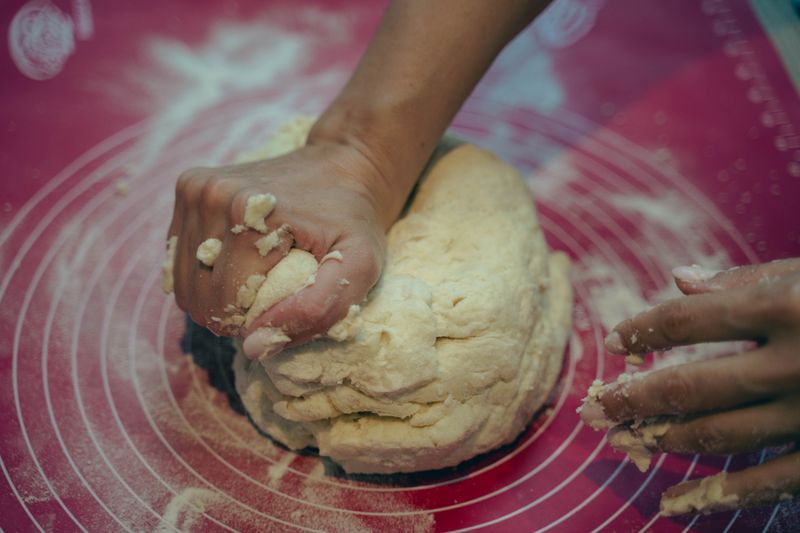
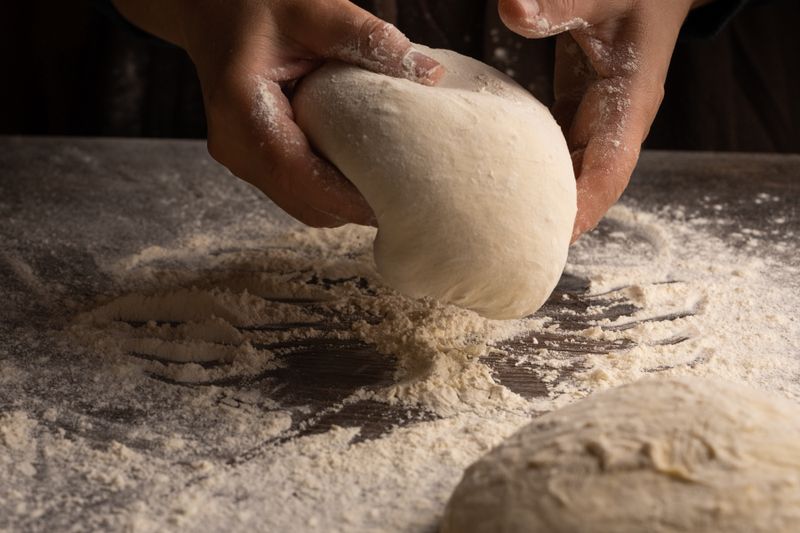
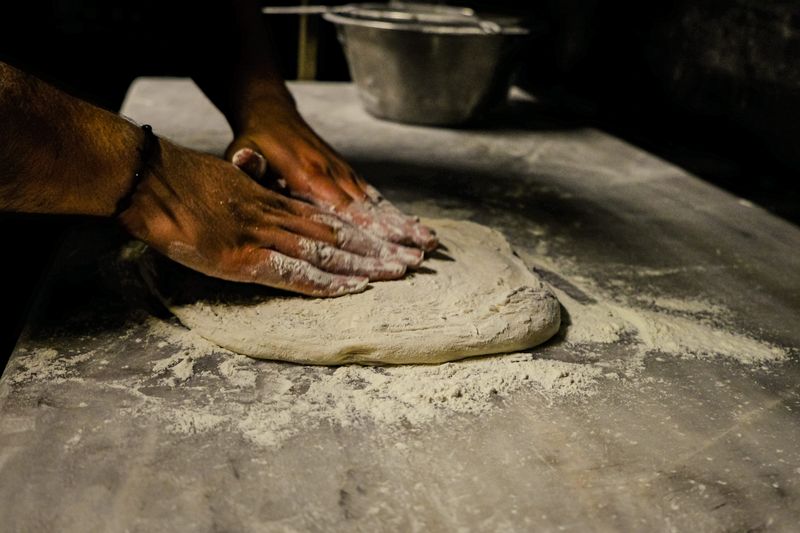
Gluten develops through mechanical work or simply through time and hydration, which is why no-knead methods work. Stretch-and-fold at intervals develops structure with almost no effort and suits wetter doughs better than kneading does. The goal is a dough that holds its shape and passes a windowpane test, whichever route gets there.
On a weeknight, simply mixing and then leaving the dough alone for twenty minutes before any work at all does a surprising amount of that development, which is why it feels like a different dough when you come back to it.
Learn to read proving
Underproved dough springs back immediately when poked and tears with a dense crumb and a burst crust. Overproved dough does not spring back at all, spreads flat and collapses in the oven. These faults look different and knowing which you have is what makes the next loaf better rather than merely different.
If you are short of time, proving overnight in the fridge widens the window considerably, because the cold slows the gas production while the slower reactions that build flavour carry on.
The oven is the last variable
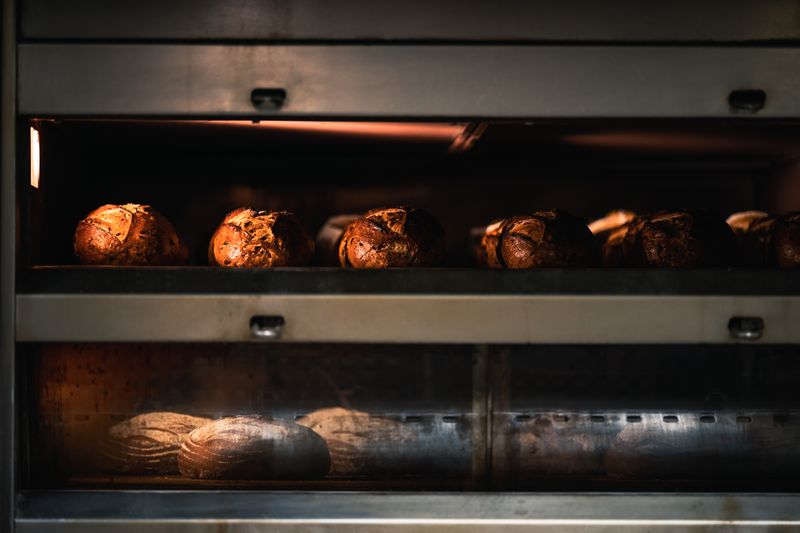
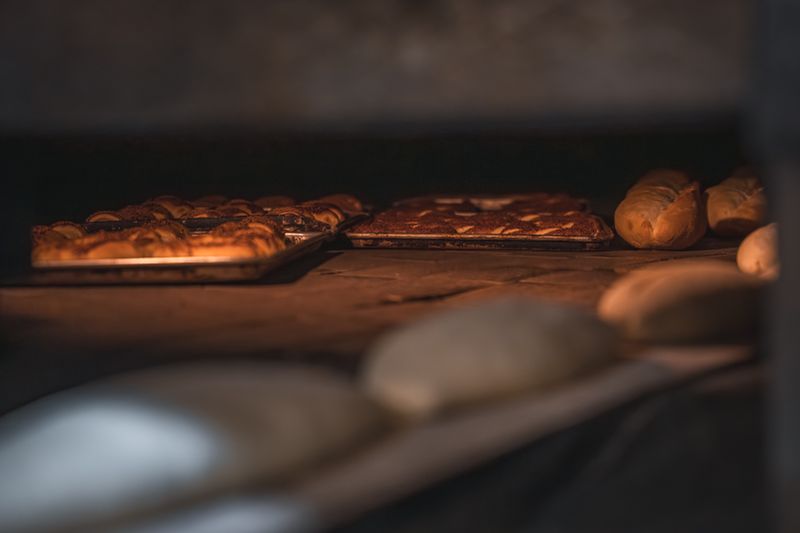
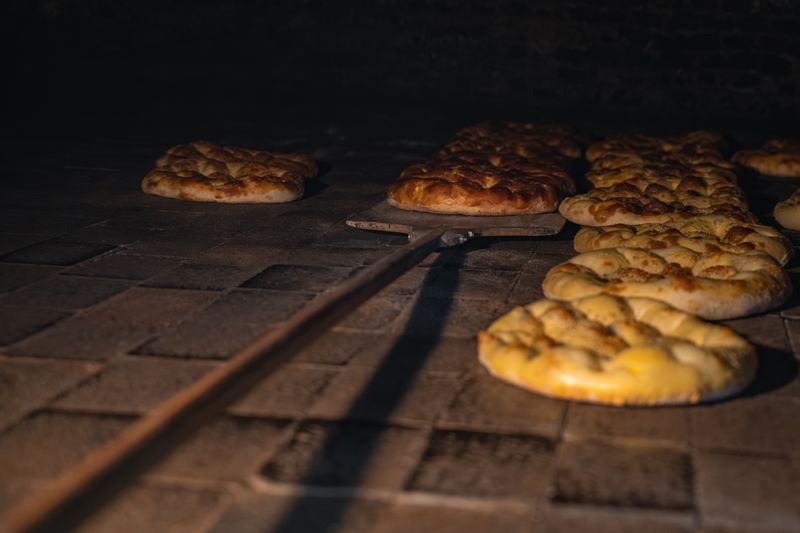
Steam in the first ten minutes keeps the crust flexible so the loaf can expand, which is what produces oven spring. A preheated heavy surface — stone, steel or an inverted tray — transfers heat quickly to the base. A covered pot achieves both at once, which is why the method is so widely recommended for beginners.
Domestic ovens dump most of their accumulated heat the moment the door opens, so loading fast and then leaving it shut for ten minutes matters more than the last twenty degrees on the dial.
The takeaway
Measure the dough temperature and judge by the dough, not the clock.
The good version is the one you can make on a Wednesday.
Questions readers ask
Why is my loaf dense?
Most often underproving, insufficient gluten development, or an oven that was not hot enough. Check the poke test before baking and the dough temperature after mixing.
Do I need a sourdough starter?
No. Commercial yeast makes excellent bread and is far more predictable. A starter adds flavour and a maintenance commitment.