Batch & Leftovers
Soup is the most forgiving way to eat a fridge
It absorbs odds and ends without looking like leftovers, and the structure underneath it is the same every time.
The options around making soup are set out side by side below, with the conditions that genuinely favour one over the other.
The difference in one place
- Almost every soup is a base, a body, a liquid and a finish.
- Blending changes texture far more than any thickener.
- Soup freezes well except when dairy or pasta is already in it.
One structure, endless versions
Nearly every soup is aromatics cooked in fat, a main ingredient, a liquid to cook it in, and something added at the end for contrast. Once that shape is familiar, a fridge full of odd vegetables becomes an obvious dinner rather than a puzzle. The base is usually onion with something else, cooked until soft and sweet rather than merely translucent.
The finish is where acid, herbs, cream, oil or crunch go, and it is the part most home soups skip.
Build flavour before you add liquid
Browning the aromatics and the main vegetable concentrates their sugars and creates fond, which liquid then dissolves. A tomato-based soup improves markedly if the puree is cooked out in the fat for a minute before liquid arrives.
On a weeknight, adding water to raw vegetables and boiling them produces a thin, flat result no amount of seasoning fully rescues. If the soup will be blended, browning matters even more, because texture will not be carrying any of the interest.
Texture is a choice
A fully blended soup is smooth and uniform; blending half and stirring it back gives body with pieces still in it. Starchy ingredients like potato, bread, beans and rice thicken naturally as they break down, which beats adding flour. A stick blender is convenient and leaves a slightly coarser texture; a jug blender gives a silkier result.
Hot liquid expands in a sealed blender, so fill it partly, vent the lid and hold a cloth over it.
Season at the end, not the start
Soup reduces as it cooks, concentrating salt, so heavy early seasoning becomes over-seasoning by the end. A stock cube counts as salt in this calculation, and forgetting that is the usual reason a soup ends up too salty. Blending changes perceived seasoning, so taste again after blending rather than before.
A splash of vinegar or lemon at the end lifts almost any vegetable soup and is the difference between flat and finished.
What to do with the leftovers of the leftovers
Soup freezes well in portions and thickens as it stands, so it usually needs loosening with water on reheating. Dairy can split on freezing and reheating, so it is better added to each bowl than to the pot. Pasta and rice keep absorbing and turn to mush, so cook them separately and add them to the bowl.
A thick soup becomes a sauce, a base for beans, or the liquid for a braise, which is a better second appearance than the same bowl again.
Adjust seasoning at the end rather than trusting a quantity written by a stranger.
Cooling and storing
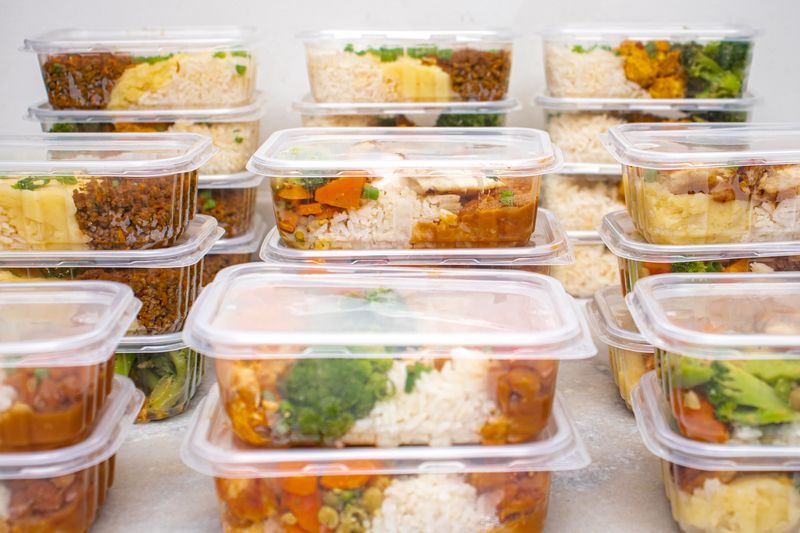
A large pot of hot soup takes a long time to cool, which is exactly the situation food safety guidance is concerned with. Dividing it into shallow containers cools it far faster than leaving the pot on the hob.
Storage times vary by ingredient and by country, so check your national guidance rather than assuming a universal number. Reheat to a proper simmer rather than merely warming through, particularly for anything containing meat or rice.
Side by side
| Consideration | What it means in practice |
|---|---|
| One structure, endless versions | Almost every soup is a base, a body, a liquid and a finish. |
| Build flavour before you add liquid | Blending changes texture far more than any thickener. |
| Texture is a choice | Soup freezes well except when dairy or pasta is already in it. |
The takeaway
Base, body, liquid, finish. The fridge supplies the middle two.
Get the heat and the salt right and the rest is detail.
Questions readers ask
How do I stop soup tasting bland?
Usually it needs salt, acid and a finish rather than more cooking. Brown the base properly next time, and add something sharp and something textural at the end.
Can I freeze soup with potatoes in it?
Blended potato soups freeze acceptably. Chunks of potato tend to go grainy, so blend them or leave them out and add fresh on reheating.