Baking
Gluten is the scaffolding, not the enemy
The same protein network that makes bread chewy makes a cake tough. Whether you develop it is the decision behind most baking instructions.
The options around gluten development are set out side by side below, with the conditions that genuinely favour one over the other.
The difference in one place
- Gluten forms when two proteins in wheat flour meet water and are worked.
- Bread wants it developed; cakes and pastry want it restrained.
- Fat, sugar and low hydration all limit gluten formation.
What gluten actually is
Wheat flour contains two proteins that link into an elastic network when hydrated and worked mechanically. That network traps gas, which is what lets a dough rise and hold its shape rather than spreading into a puddle. It also gives chew, which is desirable in bread and pizza and unwelcome in a sponge.
Every instruction about mixing, kneading and resting is really an instruction about how much of this network you want.
Flour type sets the potential
Strong or bread flour has more protein and forms a stronger network; plain or cake flour has less and stays tender. The difference is meaningful enough that swapping them changes the result rather than fine-tuning it. Wholemeal flour contains bran particles that physically cut through the network, which is why wholemeal loaves are denser.
Protein content is often printed on the packet and is a more useful number than the marketing name.
How to develop it
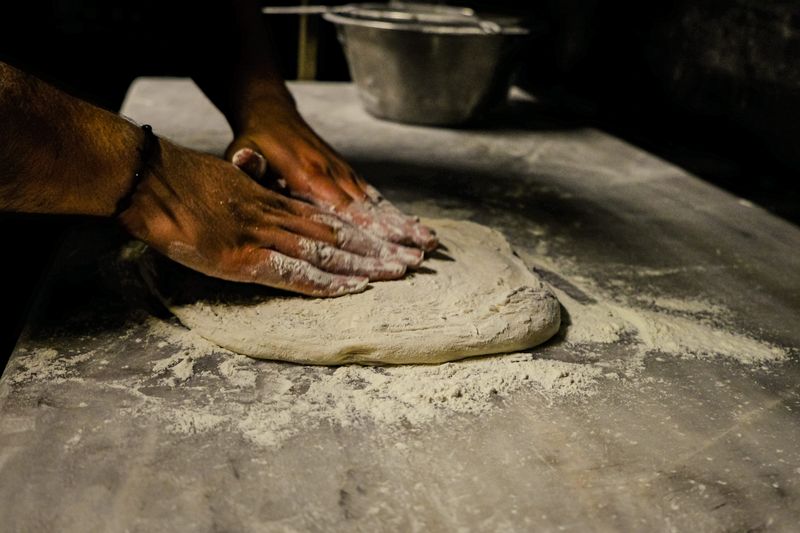
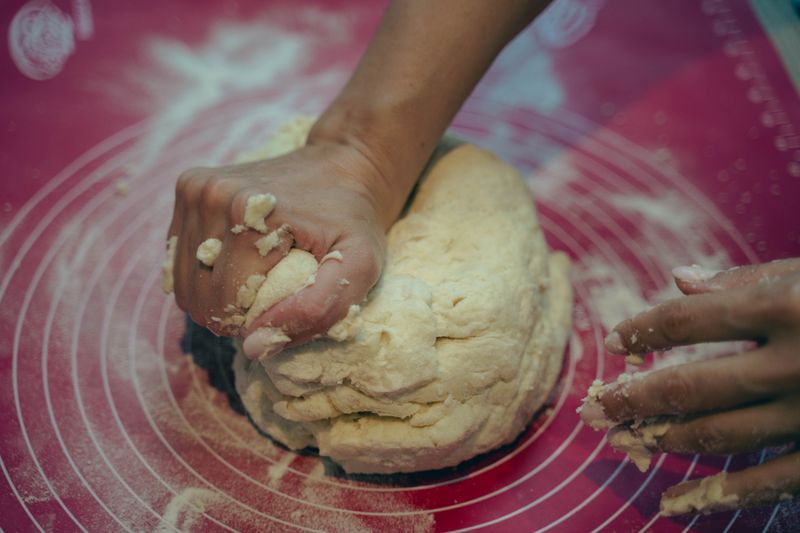
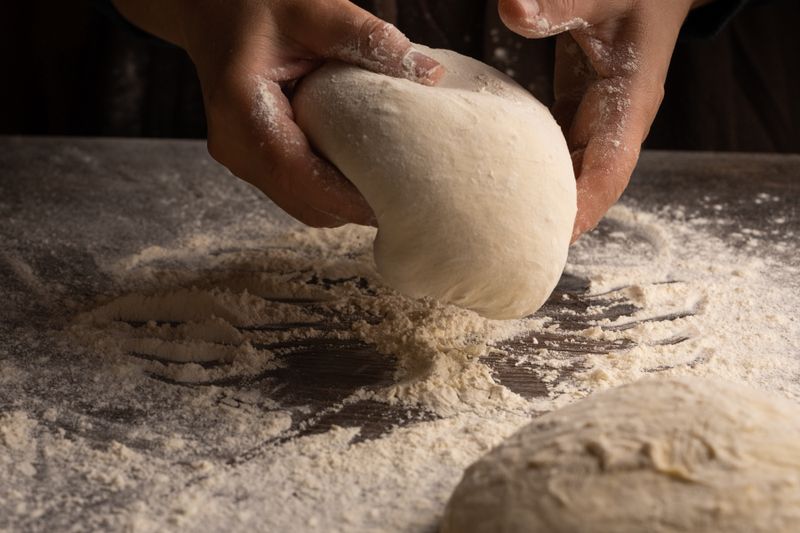
Kneading works the network mechanically, and stretch-and-fold at intervals achieves the same thing with far less effort. Time alone also does it, since hydrated flour develops gluten slowly without any work at all, which is the basis of no-knead methods. Resting a worked dough lets the network relax so it stops fighting back when you shape it.
Nine times out of ten, a dough that tears when stretched thin is underdeveloped; one that stretches to translucency is ready.
How to prevent it
Fat coats flour particles and physically blocks the proteins from linking, which is what shortening means in shortcrust. Sugar competes for water, which is one reason very sweet batters stay tender. Low hydration limits it too, since the proteins need water to link at all.
This is why creaming methods, rubbing in and folding are all designed around minimal working once the flour arrives.
The classic failures
Tough pastry is overworked pastry, usually with too much water and too much handling after the water went in. A rubbery cake has had the flour beaten into it rather than folded. A flat loaf may be underdeveloped, so the gas escaped rather than being held.
The part that matters: a dough that springs back and refuses to be rolled needs a rest, not more force.
Where gluten-free baking diverges
Removing gluten removes the scaffolding, so gluten-free recipes must rebuild it with gums, starches, eggs or protein from other sources. That is why substituting a gluten-free flour one for one into a wheat recipe so often produces something crumbly or gummy.
In practice, recipes developed specifically for gluten-free flours are far more reliable than adapted ones. For anyone avoiding gluten for medical reasons, cross-contamination in a shared kitchen is a separate and important issue worth taking seriously.
Side by side
| Consideration | What it means in practice |
|---|---|
| What gluten actually is | Gluten forms when two proteins in wheat flour meet water and are worked. |
| Flour type sets the potential | Bread wants it developed; cakes and pastry want it restrained. |
| How to develop it | Fat, sugar and low hydration all limit gluten formation. |
The takeaway
Decide whether you want chew or tenderness, then mix accordingly. Everything else follows.
The good version is the one you can make on a Wednesday.
Questions readers ask
Can I use bread flour in a cake?
You can, but the higher protein makes a tougher, chewier crumb. Plain flour, or plain flour with some cornflour, gives a more tender result.
Why does my pastry shrink in the tin?
The gluten was developed and then not allowed to relax. Chill the lined tin before baking and handle the dough less next time.