Batch & Leftovers
Cook the components, not the meals
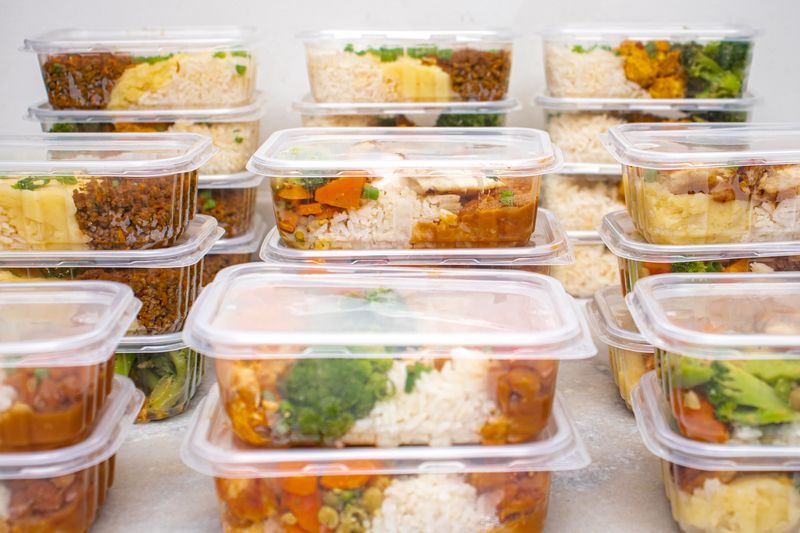
Batch cooking fails when it produces five identical dinners. Cooking parts instead produces five different ones.
This looks at batch cooking from the practical end — what holds up once conditions stop being ideal.
What holds up in practice
- Components recombine; finished dishes only repeat.
- Cook grains, proteins, sauces and roasted vegetables separately and store them apart.
- Texture is what fails on reheating, and it is recoverable.
Components beat complete meals
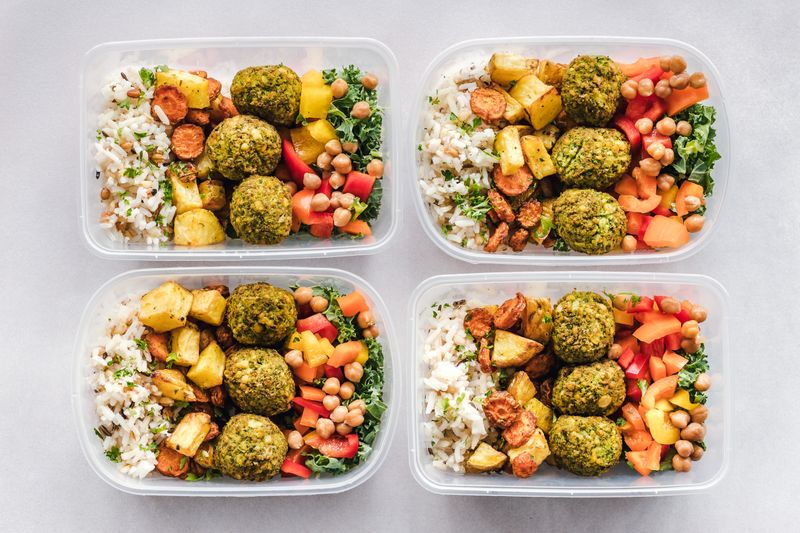
A batch of a finished stew gives you the same dinner four times, which is why most batch cooking gets abandoned. A batch of roasted vegetables, a grain, a braised protein and a sauce gives you four quite different plates. The extra effort is trivial — the same oven, the same session — and the outcome is completely different.
This is also how professional kitchens work, for exactly the same reason.
Store separately, combine late
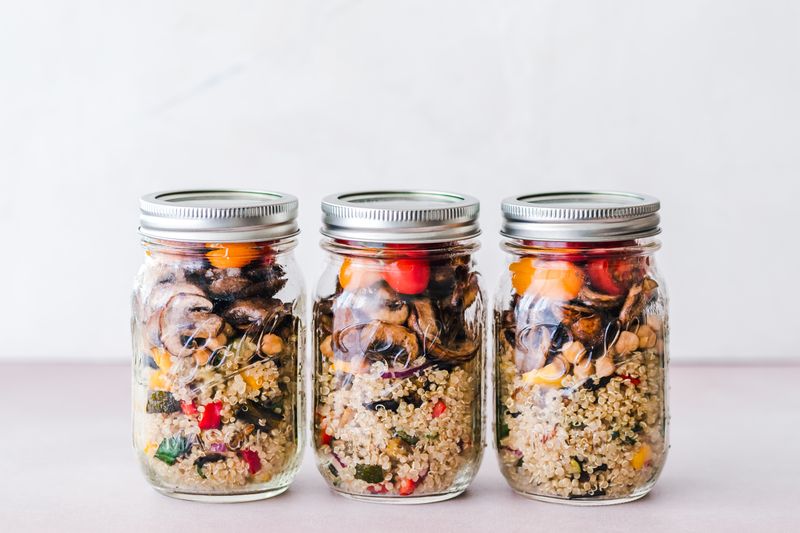
Keeping components apart means each can be reheated appropriately and combined fresh, which preserves texture. Sauce stored on top of a grain produces a single soft mass by the second day.
It also means one component going off does not lose the whole batch. Anything acidic or heavily salted keeps working on whatever it touches, so a dressed salad or a pickled element belongs in its own container until the plate is actually assembled.
Decide the recombinations before you cook
A session producing a grain, a protein, a sauce and a tray of roasted vegetables is only useful if you already know it becomes a bowl on Monday, a wrap on Tuesday and the base of a soup on Thursday. Cooking components with no plan produces exactly the same fridge full of good intentions that cooking finished dishes does. The quantities follow from the plan rather than from the pan: three recombinations means three portions of each, not as much as the tray happens to hold.
On a weeknight, keeping one element deliberately plain — unseasoned grains, roast vegetables with nothing but oil and salt — is what lets the same batch go in different directions instead of tasting identical all week.
Reheat for texture, not just temperature
The microwave is fine for sauces and grains and poor for anything that was crisp. A hot pan or a hot oven for a few minutes restores roasted vegetables and skin far better than any amount of microwaving. Adding a splash of water to grains before reheating covered restores them almost completely.
For one portion, reheating in the pan you will eat from with a little fat is faster than waiting for an oven and does the crisping at the same time.
Some things batch badly
Delicate fish, leafy salads, fried food and anything with a crisp coating do not survive storage well. Pasta stored cooked in sauce continues absorbing and turns soft; storing them separately fixes it.
On a weeknight, knowing which components do not batch prevents the disappointment that ends the habit. Potatoes are the surprise on that list, since boiled potato refrigerates into something waxy and grainy while roasted potato comes back acceptably in a hot oven.
Ovens, pans and produce vary — trust what you can see and hear over any timing.
Cool and store safely
Cooling quickly before refrigerating matters for safety, particularly for rice, and spreading food out speeds it substantially. National food safety guidance on cooked rice specifically is worth reading once, because the risk is real and widely underestimated.
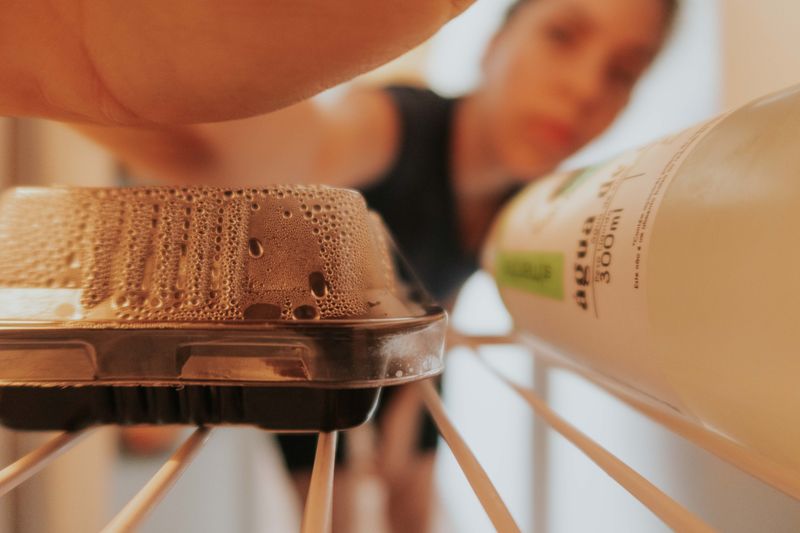
Shallow containers cool faster and reheat more evenly than deep ones. Splitting a hot pot between shallow containers before it goes anywhere near the fridge is the practical form of that advice, because a deep pot holds its heat for hours sitting on a worktop.
The takeaway
One oven session, four separate containers, and combine on the night.
Taste it before it leaves the pan. That is most of cooking.
Questions readers ask
How long do cooked components keep?
Generally around three days refrigerated, though this varies by ingredient. Check your national food safety guidance, which differs by country and is more conservative for rice and seafood.
Does freezing change texture?
For sauces, braises and grains, minimally. For anything with a high water content or a crisp surface, considerably — freeze those as components to be finished rather than as finished dishes.
Also by Sana Iqbal
- Stock is the cheapest upgrade available to a home cookBatch & Leftovers
- Roast a chicken once and you have bought three dinnersBatch & Leftovers
- Cooling food quickly is the step almost everyone skipsBatch & Leftovers
- Buying fish well is mostly a question of asking what came inPantry & Shopping