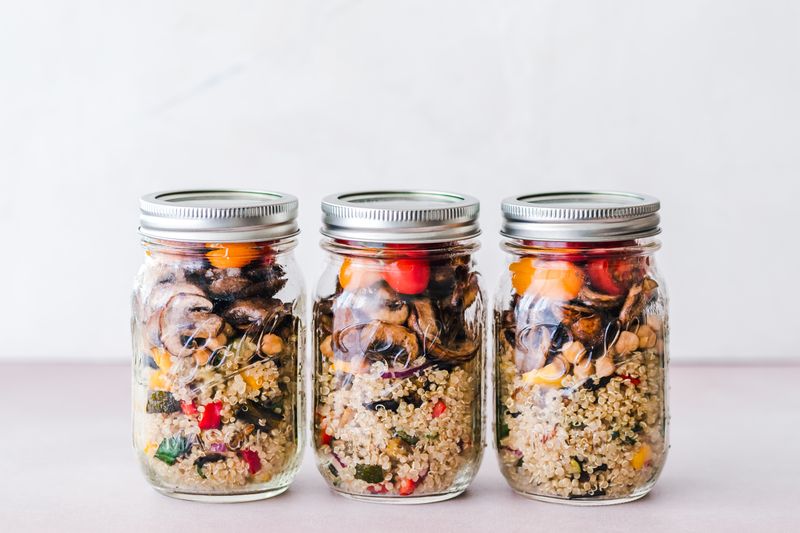
Batch & Leftovers
Turn leftovers into a different dish, not the same one again
The reason leftovers get thrown away is rarely that they went off. It is that nobody wanted the same dinner twice.
This works through using leftovers in the order the parts actually depend on each other.
The short version
- Leftovers work best as an ingredient rather than as a meal.
- Texture and acidity are what leftovers lose and what you add back.
- A few reliable formats absorb almost anything.
The problem is repetition, not spoilage
Most food thrown away from a fridge was still edible; it simply lost the argument against something more appealing. Reframing yesterday as an ingredient rather than a portion removes that objection entirely. Shredded, chopped or blended, the same food stops reading as a repeat.
This is why professional kitchens rarely serve the same thing twice and rarely waste anything either.
What storage takes away
Refrigeration dries surfaces, dulls aromatics and softens anything that was crisp. It also mutes seasoning, which is why cold leftovers reliably taste blander than the dish did. Adding fat, acid, salt and something fresh at the point of reuse restores most of what was lost.
Adding crunch matters as much as adding flavour, because texture is usually the bigger casualty.
Formats that absorb anything
Fried rice, frittata, soup, tacos, toasted sandwiches, grain bowls and pasta bakes take almost any combination. Each one has a structure that carries the leftovers rather than presenting them, which is why they work. Choosing the format first and then looking in the fridge is easier than the other way round.
On a weeknight, two or three of these in your repertoire cover most of what a week produces.
Reheat for texture, not just heat
A hot dry pan or a hot oven restores roast vegetables and anything that was crisp far better than a microwave. Grains and sauces do well in a microwave, and a splash of water under a cover steams them back to life. Bread refreshes in a hot oven for a few minutes, which reverses the staling process temporarily.
Reheating meat gently and briefly keeps it from drying, since it has already lost water once.
Plan the second life while cooking the first
Cooking slightly more of the components that reheat well is a deliberate act rather than an accident. Holding back some sauce, some fresh herbs or a portion of the protein before serving preserves options.
Nine times out of ten, storing components separately rather than plated keeps the second meal flexible. A note of what is in the fridge, on the door, prevents the archaeological discoveries that end in the bin.
Where to be careful
Rice, shellfish, poultry and egg dishes need more care than vegetables and grains, both in storage and reheating. How long anything keeps and how often it may be reheated are set out by your national food safety agency and vary by country.
On a weeknight, reheat until properly hot throughout rather than warm, and do not keep reheating the same portion. If you cannot remember when something was cooked, the date label you did not write is the reason, and the answer is to discard it.
The takeaway
Change the format, add fat, acid and crunch, and label the container with a date.
The good version is the one you can make on a Wednesday.
Questions readers ask
Are leftovers less nutritious?
Some vitamins degrade with time and reheating, particularly water-soluble ones, but the effect is modest compared with the food not being eaten at all.
How do I stop reheated chicken drying out?
Reheat it in liquid or sauce rather than dry heat, keep pieces large until the last moment, and stop as soon as it is hot rather than cooking it a second time.