Batch & Leftovers
Cooling food quickly is the step almost everyone skips
The gap between hot and refrigerated is where most home food safety problems actually happen, and it is entirely under your control.
The theory of cooling cooked food is well covered elsewhere. This is about the version you meet in practice.
What holds up in practice
- Bacteria multiply fastest in the warm range between fridge and cooking temperatures.
- Depth of container matters more than anything else for cooling speed.
- National guidance differs, and it is the right source for specific times.
Why the warm range matters
Between refrigeration temperatures and proper cooking temperatures there is a band in which many bacteria multiply rapidly. Food passing slowly through that band, rather than quickly, is where most avoidable risk in a home kitchen sits. This is why food safety advice everywhere concentrates on cooling promptly rather than on cooking harder.
The exact temperatures and permitted times are set by national agencies and differ enough that you should read your own.
Depth is the main variable
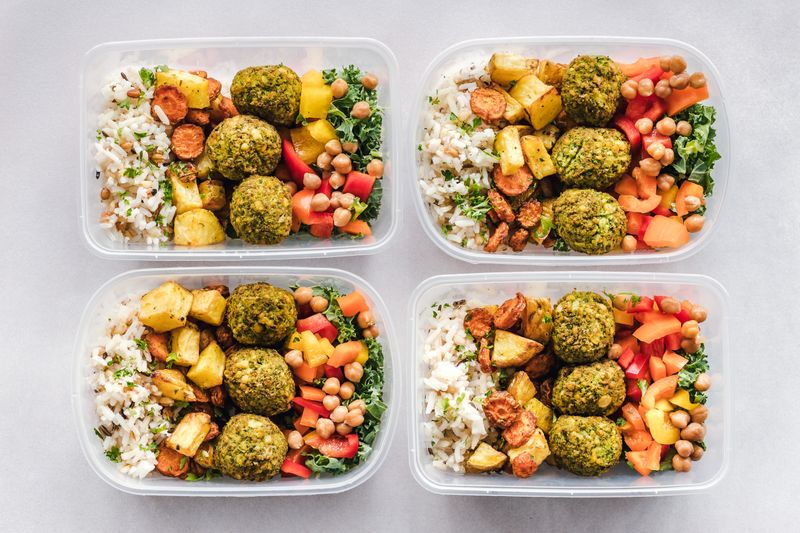
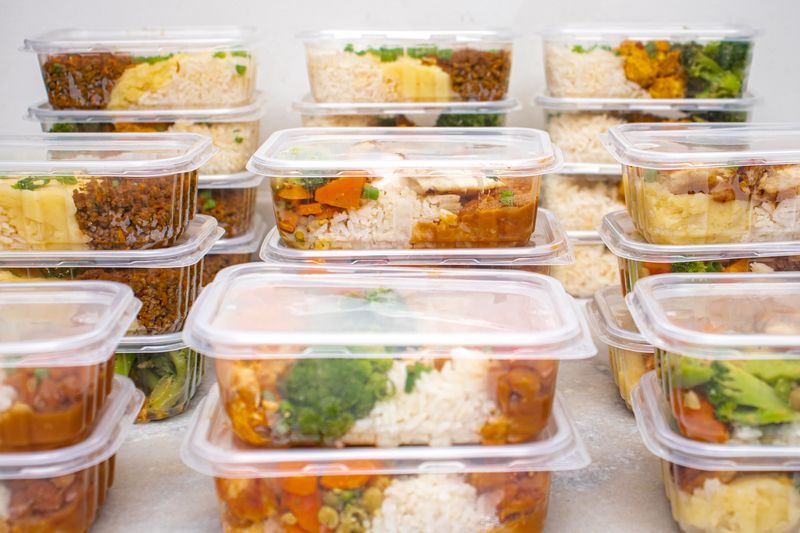
A deep pot of stew cools from the outside in and the centre can stay warm for hours. The same volume divided into shallow containers cools in a fraction of the time, because there is far more surface area. Dividing a batch as soon as cooking is finished is the single most effective habit here.
A large joint or a whole bird has the same problem and benefits from being cut up before it goes in the fridge.
Practical ways to speed it up
A pot sitting in a sink of cold water, stirred occasionally, cools far faster than one on the hob. Adding ice directly to a stock or soup you were going to dilute anyway cools it instantly. Spreading rice or grains in a thin layer on a tray drops the temperature quickly and is worth the extra washing up.
Uncovering while cooling lets steam escape, and covering can wait until the food is no longer steaming.
The fridge is not a cooling device
Putting a large hot pot straight into a domestic fridge raises the temperature of everything else in there. That can push other food into the warm range while the hot item slowly cools, which is a net loss. Advice on this varies between countries and between older and newer appliances, so follow your local guidance.
Getting food to roughly room temperature quickly and then refrigerating is the compromise most guidance describes.
The foods that need the most care
Rice is the well-known case, because of spores that survive cooking and produce toxins in food left warm. Cooked meat, poultry, fish, shellfish, egg dishes and anything with a sauce all sit in the higher-risk group.
On a weeknight, stocks and large batches of soup are risky mostly because of their volume and how long they hold heat. Vegetables, pulses and starchy dishes are not exempt, and the same cooling logic applies.
Ovens, pans and produce vary — trust what you can see and hear over any timing.
Storage and reheating
Label containers with the date, because judging age by memory is where most household mistakes come from. Reheating should take food properly hot throughout rather than merely warm, and stirring helps in a microwave where heating is uneven.
Nine times out of ten, how many times food may be reheated, and for how long it may be kept, are matters for your national food safety agency. When something is borderline, the honest answer is that no article can tell you it is fine, and the guidance for your country can.
The takeaway
Shallow containers, straight away, and read your own country guidance once rather than guessing repeatedly.
Get the heat and the salt right and the rest is detail.
Questions readers ask
How long can cooked food sit out?
This is exactly the question your national food safety agency answers, and the recommended limits differ by country and by ambient temperature. Treat any specific number you see online with caution.
Does covering food help it cool?
It slows cooling by trapping steam. Leave it uncovered or loosely covered while it drops, then cover before refrigerating.
Also by Sana Iqbal
- Cook the components, not the mealsBatch & Leftovers
- Stock is the cheapest upgrade available to a home cookBatch & Leftovers
- Roast a chicken once and you have bought three dinnersBatch & Leftovers
- Buying fish well is mostly a question of asking what came inPantry & Shopping