Batch & Leftovers
Some dishes are better on day two and some are ruined by it
Waiting improves certain dishes through real chemical change and destroys others. Knowing which is which decides what you should be cooking in advance.
Everything below about dishes that improve overnight comes from what actually happens rather than from what is supposed to.
What holds up in practice
- Flavour compounds continue to move and combine after the cooking stops.
- Starches and fried surfaces deteriorate with time regardless of storage.
- Dishes designed for contrast lose the contrast first.
Why some things improve
Cooking creates a large number of flavour compounds, and those compounds continue to diffuse through a dish after the heat is off. Fats absorb aromatic compounds over time, which is why a fatty braise tastes more integrated after a night in the fridge. Salt also continues to distribute, which evens out a dish that tasted patchy when it was first made.
Some connective tissue and starch changes continue slowly at fridge temperature, subtly altering texture in ways that often help. The result is a dish that tastes more like one thing and less like a collection of ingredients that were recently separate.
Which dishes those are
Braises, stews, curries and anything with a long cooked liquid are the clearest beneficiaries of a night in the fridge. Dishes with several aromatics competing at first tend to settle into something more coherent by the following day. Bean and pulse dishes improve as the liquid thickens slightly and the flavours move into the beans themselves.
At the stove, cold dishes with a dressing, such as grain salads, often improve for a few hours though not indefinitely. Anything where the appeal is depth rather than freshness is a reasonable candidate for cooking in advance.
Why some things are ruined
Fried and roasted surfaces depend on being dry, and moisture inevitably migrates back into them during storage. Cooked starches undergo changes on cooling that make bread stale and can make potato and pasta dishes firm and grainy. Green vegetables lose colour and firmness, and no storage method prevents this beyond the very short term.
Dairy-based sauces can separate, and delicate emulsions rarely survive a full cooling and reheating cycle intact. Anything whose appeal is contrast between crisp and soft loses that contrast first and cannot get it back.
Designing a dish for the second day
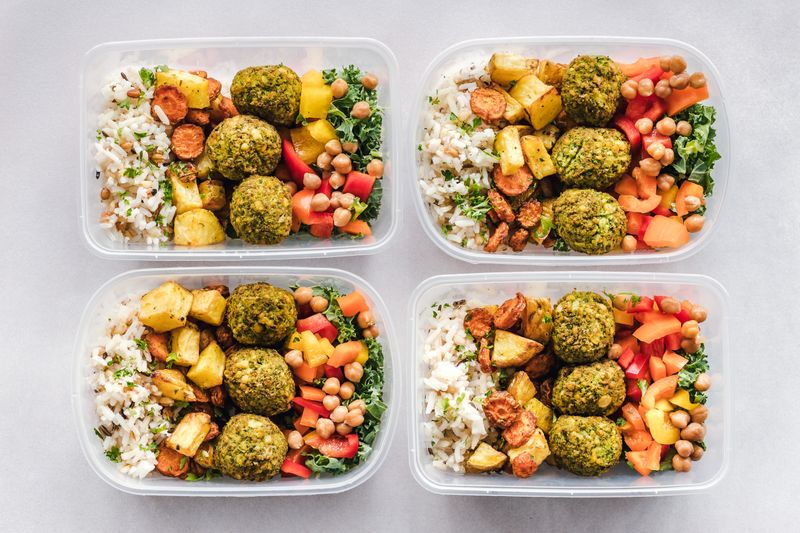
Cooking the base in advance and adding the fresh or crisp elements at serving splits the dish into the parts that keep and the parts that do not. That is why so many restaurant dishes are assembled from components prepared hours earlier plus one thing cooked to order.
At the stove, undercooking vegetables slightly in a dish destined for reheating allows for the second cook they will receive. Holding back the acid and the fresh herbs until serving restores the brightness that storage flattens.
This approach gets the benefit of advance cooking without the tiredness that a fully finished reheated dish carries.
Storing so the improvement happens
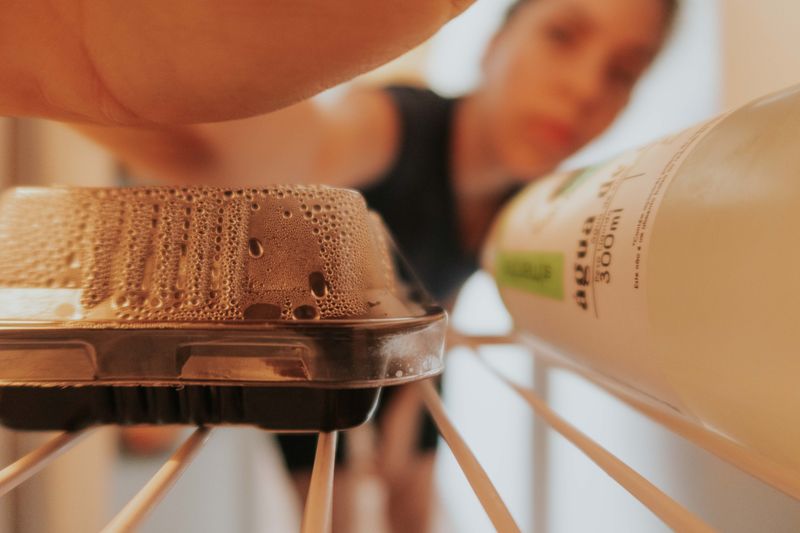
Cooling promptly and covering well is what allows a dish to improve rather than deteriorate, and it also matters for safety. Guidance on how quickly cooked food should be cooled and how long it can be kept differs by country and should be followed locally. Storing a stew with its liquid rather than drained keeps the solids from drying and lets the flavour continue to move.
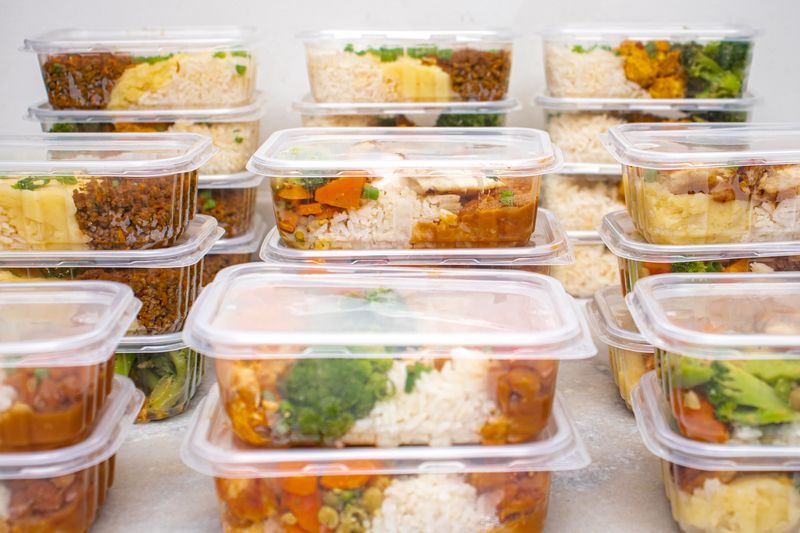
The part that matters: a shallow container cools faster and reheats more evenly than a deep one, which matters on both counts. Anything with a crisp element should be stored separately from anything wet, since contact transfers moisture immediately.
Ovens, pans and produce vary — trust what you can see and hear over any timing.
Reheating without undoing it
Gentle reheating preserves texture far better than aggressive heat, which drives moisture out and toughens proteins. A splash of liquid added during reheating replaces what evaporated and prevents the dish tightening as it warms.
Reheating only the portion you will eat avoids repeatedly cycling the whole batch through heating and cooling. Food should be reheated thoroughly, and the specifics of how thoroughly are set out in local food safety guidance. A final seasoning check after reheating is worth doing, since a stored dish frequently needs acid or salt to wake it up.
The takeaway
Cook the deep part in advance and add the fresh and crisp parts at the table.
Get the heat and the salt right and the rest is detail.
Questions readers ask
Which dishes are best cooked a day ahead?
Braises, stews, curries and bean dishes. Long-cooked liquid dishes with fat in them integrate as they sit, and the seasoning evens out.
Can I fix a reheated dish that tastes flat?
Usually. Add acid, a fresh herb or a little salt after reheating. Storage flattens brightness more than it flattens depth.
Also by Sana Iqbal
- Cook the components, not the mealsBatch & Leftovers
- Stock is the cheapest upgrade available to a home cookBatch & Leftovers
- Roast a chicken once and you have bought three dinnersBatch & Leftovers
- Cooling food quickly is the step almost everyone skipsBatch & Leftovers