Weeknight Dinners
Wraps, Bowls And Plates Are One Dinner In Three Shapes
The same cooked components can be served three ways, and choosing the format by mood rather than cooking something different is what makes a small repertoire last.

A protein, a starch, a vegetable and a sauce can be presented as a plate, piled in a bowl or rolled into bread. The cooking is identical and the meal feels different.
Format changes perception more than ingredients
People experience the same food differently depending on how it arrives, and a familiar combination in an unfamiliar shape does not register as a repeat.
That matters in households where the objection to weeknight cooking is monotony rather than effort, since the fix is presentational and free.
It also means a cook can build a small number of components and still produce a week that does not feel like one dish repeated.
Each shape has its own requirements
A wrap needs everything cut small enough to roll and dry enough not to soak the bread, so the sauce is thick and applied sparingly.
A bowl tolerates wetness and rewards a layered structure, with a base that absorbs, a middle that carries flavour and something sharp on top.
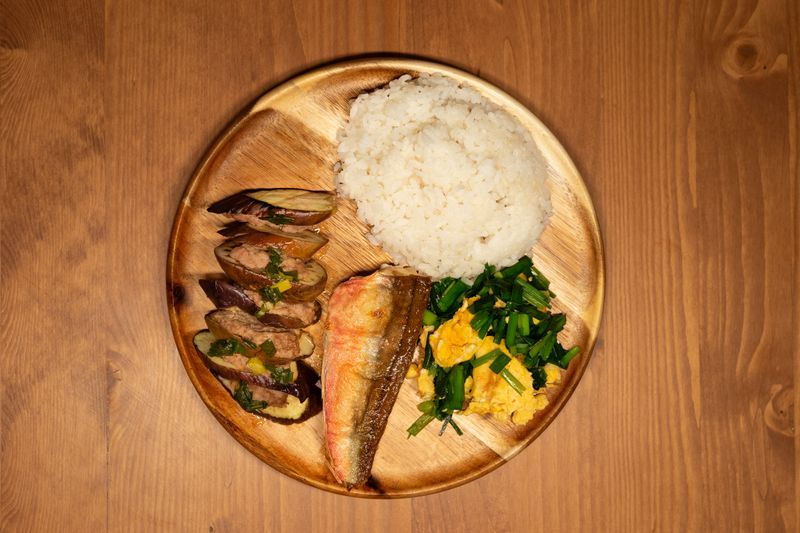
A plate keeps components separate, which suits eaters who dislike mixing and demands that each element be good enough to stand alone.
The sauce is what has to change
The same components taste different under a yoghurt-based dressing, a chilli oil or a herb sauce, and that is the cheapest lever available.
Sauce also determines which format is possible, since a thin one rules out a wrap and a very thick one sits awkwardly in a bowl.
Keeping two or three finished sauces in the fridge does more for variety than cooking different proteins, and takes a fraction of the time.
Cooking to components rather than to dishes
Deciding to cook a grain, a roasted vegetable and a protein leaves the format decision until service, which suits a household eating at different times.
It also means the person eating late is not reheating an assembled meal, which is the version that reheats worst.
Components can be seasoned neutrally and finished differently for each person, which handles competing preferences without cooking twice.
Where the approach breaks down
Dishes where the components cook together, such as a braise or a risotto, cannot be disassembled and do not fit this pattern at all.
Those are better treated as their own thing and cooked in quantity, since their appeal is precisely that everything has merged.
The component approach suits fast cooking and the merged approach suits slow cooking, which is a reasonable way to split a week between them.
Questions readers ask
Hob or oven?
The oven is more forgiving because heat comes from all sides and there is no hot spot under the pot. The hob is fine if you can hold a very low simmer.
Can I braise from frozen?
Browning will not work on frozen meat, and the food spends longer in the warm range. Defrost first, following your national food safety guidance.