Batch & Leftovers
Cook the grain on Sunday and it becomes three different plates
A large pot of one grain is the least glamorous thing you can batch cook and the most useful. It takes almost no attention and it goes in every direction.
The theory of batch grains is well covered elsewhere. This is about the version you meet in practice.
What holds up in practice
- Grains cooked plain stay neutral and can go in several directions.
- Cooking a grain takes the same attention whether it is one portion or six.
- Cooling and storage rules differ between grains and matter most for rice.
Why the grain is the right thing to batch
Grains take a long time relative to the attention they require, which makes them the ideal candidate for cooking once. The quantity makes almost no difference to the effort, since one pot needs the same watching whether it is small or large. They also keep reasonably well and reheat convincingly, unlike many finished dishes that deteriorate noticeably.
Most importantly they are neutral, so the same pot supports several different meals without any of them tasting related. A cooked grain in the fridge converts a twenty-minute dinner into a ten-minute one for several evenings running.
Cook it plain and season later
Seasoning a batch heavily commits it to one direction, which defeats the purpose of cooking it in bulk. Salting the cooking water is still correct, since that seasons the grain itself rather than giving it a flavour. Any aromatic added to the pot will follow the grain into every dish it appears in, which is rarely what you want.
On a weeknight, dressing a portion at the point of use is quick and gives each meal its own character. Neutral does not mean bland, since a well-salted grain dressed at serving tastes considerably better than a heavily flavoured one reheated.
Three directions from one pot
Hot with something braised or roasted spooned over it is the most obvious use and the least interesting. Cold as a dressed salad, with acid, oil, something crunchy and something fresh, is a different dish entirely. Fried hard in a hot pan with an egg on top turns the same grain into a third thing that resembles neither.
The pot can also be stirred into a soup, formed into cakes or used as a base under a fried protein. Because these are genuinely different meals, the grain does not read as leftovers by the third evening.
Which grains suit this best
Firmer grains hold their structure through cooling and reheating better than softer ones, which tend to break down. Grains cooked in a large amount of water and drained stay more separate than those cooked by absorption.
Adding a little oil to a drained grain and spreading it out prevents it welding into a block as it cools. Very starchy preparations that were creamy when made will not reheat as creamy, which is a property of the starch rather than a mistake.
Trying two or three different grains over a few weeks reveals which ones suit your kitchen and your appetite.
Cooling and keeping it
A large pot of hot grain retains heat for a long time, so spreading it out to cool is more important than for most foods. Rice in particular has specific handling requirements, and your national food safety authority sets out how it should be cooled and kept.
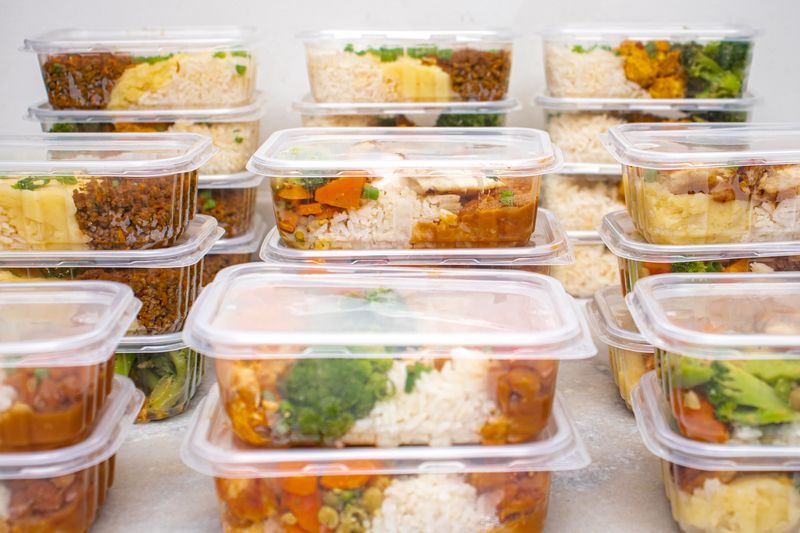
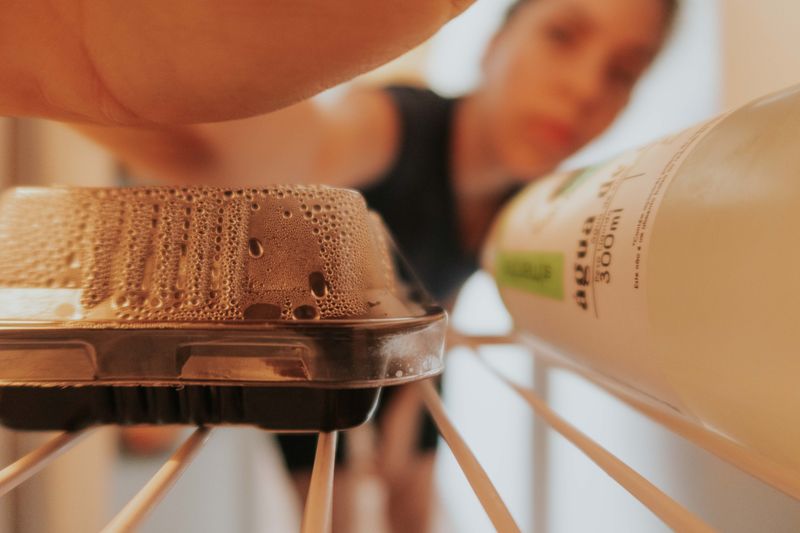
The part that matters: storing in shallow containers cools faster and reheats more evenly than storing in one deep tub. Freezing works well for most grains and is the right choice for anything that will not be eaten within a few days. Portioning at the point of storage means each meal takes what it needs without the rest being warmed repeatedly.
Ovens, pans and produce vary — trust what you can see and hear over any timing.
Fitting it into a real week
The grain pot goes on while something else is being cooked, since it needs a burner and very little else. It costs perhaps five minutes of active attention spread across half an hour that was already being spent in the kitchen. Pairing it with a tray of roast vegetables and a jar of dressing gives three components that recombine all week.
The habit fails when the grain is cooked without any plan for it, so deciding two of the three directions in advance helps. When it works, the effect is that dinner stops requiring a decision and starts requiring only an assembly.
The takeaway
Cook it plain, cool it fast in a shallow layer, and decide two of the three directions before you start.
Get the heat and the salt right and the rest is detail.
Questions readers ask
Does batch-cooked grain go soggy?
Not if it is drained, spread out to cool and stored in shallow containers. Adding a little oil and separating it before storage keeps the grains distinct.
How long can I keep cooked grains?
It varies by grain, and rice has stricter rules than most. Follow your national food safety guidance, and freeze anything you will not eat within a few days.
Also by Sana Iqbal
- Cook the components, not the mealsBatch & Leftovers
- Stock is the cheapest upgrade available to a home cookBatch & Leftovers
- Roast a chicken once and you have bought three dinnersBatch & Leftovers
- Cooling food quickly is the step almost everyone skipsBatch & Leftovers