Batch & Leftovers
Roast the tray slightly under and it survives the week
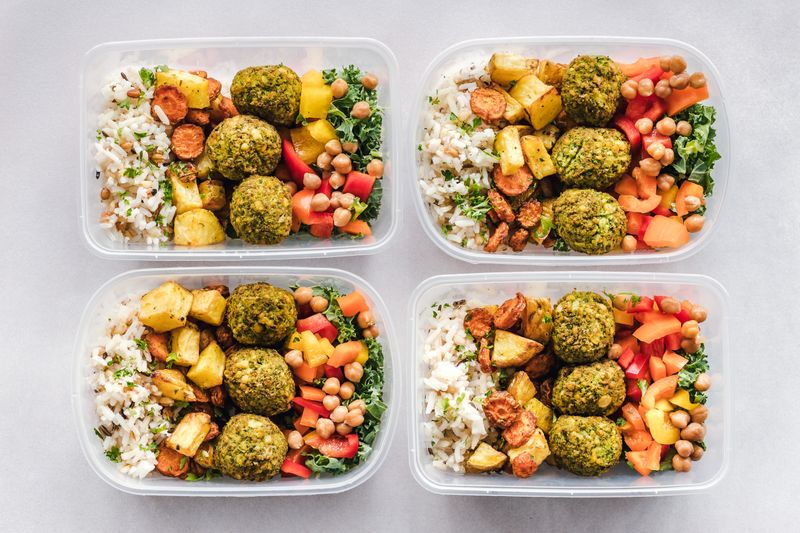
Vegetables roasted to perfection on Sunday are overcooked by Tuesday, because reheating is a second cook. Stopping early is what makes them last.
This is written to be used rather than admired. Each section below is a decision about batch roasting vegetables, and each one has a default.
Before you start
- Reheating continues the cooking, so a batch should be pulled before it is finished.
- A crowded tray steams rather than roasts, which matters more at batch quantities.
- Roasted vegetables stored damp lose their surface within hours.
A batch is cooked twice
Anything roasted for the week will be heated again before it is eaten, and that second heating continues the cooking rather than merely warming. Vegetables taken out at the point of perfection on the first day are therefore past it on every subsequent one.
Pulling the tray while the pieces still have a definite bite leaves room for the reheat to finish them properly. The difference is a few minutes in the oven and it determines whether the batch is still good on Thursday. This applies to almost everything cooked in advance, but it is most visible with vegetables because the texture change is so obvious.
Crowding is the main technical failure
Vegetables release water as they heat, and that water has to evaporate before any browning can begin. A crowded tray traps the moisture between the pieces, so the whole tray steams and comes out pale and soft. This matters more when batch cooking, because the natural instinct is to fit as much as possible onto one tray.
The part that matters: two trays, or two rounds in the oven, produce a fundamentally different result to one overloaded tray. Space between the pieces is not an aesthetic preference, it is what allows the surface to dry and colour.
Cut for the storage, not for the plate
Larger pieces retain more moisture through storage and reheating, and they resist becoming soft far better than small ones. Very small pieces have a large surface relative to their volume, which is why they dry out and then turn leathery. A larger cut also survives being pushed around a container, which small delicate pieces do not.
In practice, the trade is a longer roast, though a hotter oven compensates for much of that. For a batch destined for several different uses, a medium to large cut is the more flexible choice.
Which vegetables actually keep
Dense roots hold their structure through cooling and reheating better than anything with high water content. Brassicas keep reasonably well but develop a stronger smell in the fridge, which some people find off-putting by day three. Soft high-water vegetables collapse and release liquid, making them better eaten on the day they are cooked.
Nine times out of ten, anything you want to stay crisp will not, since moisture inevitably migrates back into the surface during storage.
Choosing a batch around what keeps rather than around what you fancy on Sunday is the difference between a plan and a waste.
Storing them without ruining the surface
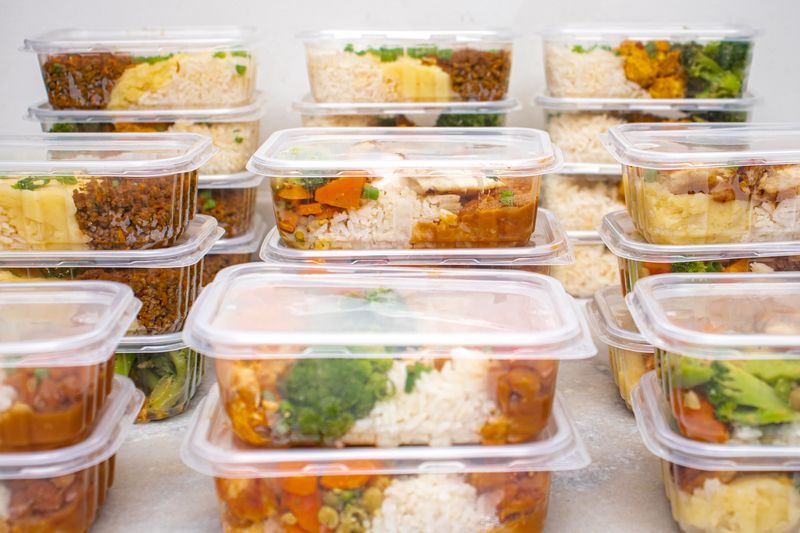
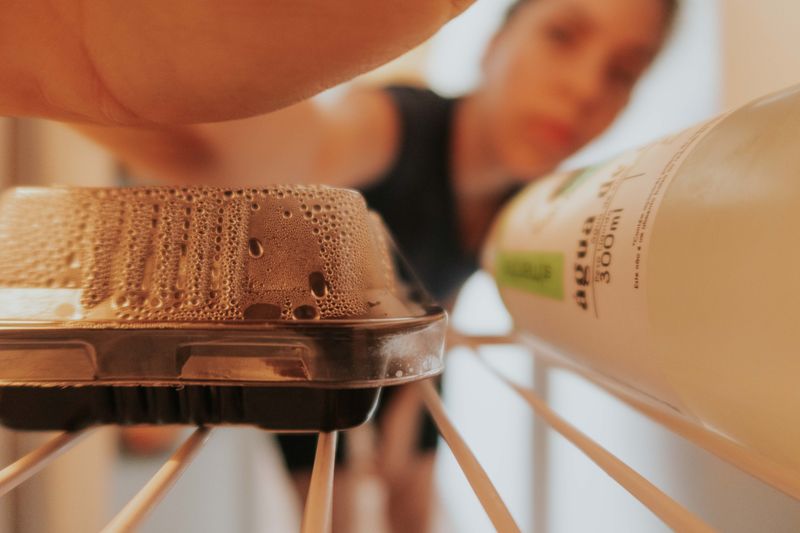
Vegetables put warm into a sealed container generate steam that condenses and softens every surface it touches. Cooling them spread out on the tray before storing takes ten minutes and preserves far more of the texture. A container lined with something absorbent helps, as does storing them in a single layer where space allows.
They should still be cooled and refrigerated promptly, and local food safety guidance covers how quickly that should happen. Storing them undressed keeps them usable in more directions, since a dressing applied early soaks in and softens further.
Reheating and redirecting
A hot oven or a hot dry pan restores some of the surface, while a microwave restores none of it. A few minutes under a grill is the fastest way to bring colour back to a tray that has gone soft. Where the texture is beyond rescuing, blending them into a soup or a sauce uses them without pretending they are roast vegetables.
On a weeknight, cold roasted vegetables dressed with acid and oil are a genuinely good salad rather than a consolation prize. Planning one wet use and one dry use for each batch means nothing is wasted when the texture inevitably softens.
The takeaway
Undercook slightly, give the pieces space, cool them uncovered, and plan one wet use for when they soften.
Taste it before it leaves the pan. That is most of cooking.
Questions readers ask
How do I stop batch-roasted vegetables going soggy?
Do not crowd the tray, cut them larger, cool them spread out before storing, and take them out of the oven slightly underdone.
Can I get the crisp surface back?
Partly, with a hot oven or a grill for a few minutes. A microwave will not do it, because it drives moisture to the surface rather than away.