Pantry & Shopping
Can Sizes Are Standardized And Recipes Assume It
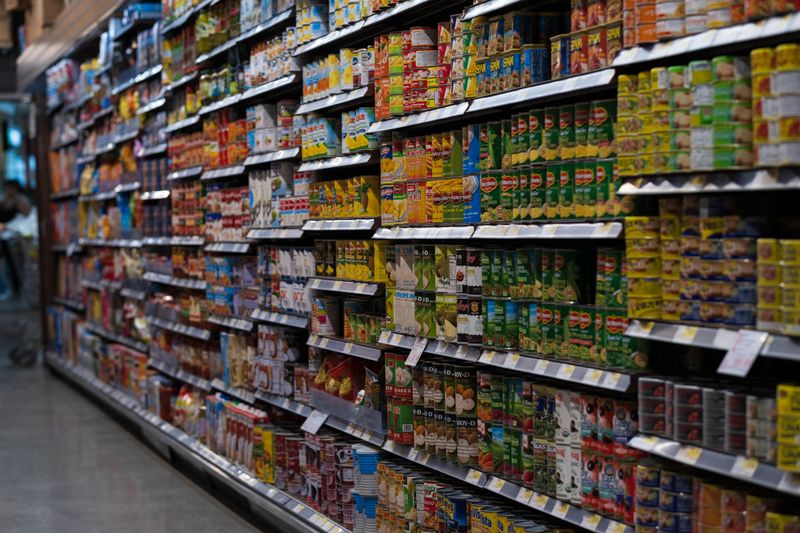
American canned goods come in a small set of conventional sizes, and recipes are written against them, which is why a substitution changes the liquid balance.

An American recipe calling for a can of tomatoes assumes you know which can. The sizes are conventional rather than arbitrary, and swapping one for another changes the dish.
The sizes come from the canning industry
Canned goods are packed in a limited set of container sizes established by the industry, and the same sizes recur across brands and across products.
Tomatoes, beans and broth each cluster around one or two familiar formats, which is why a recipe can say a can of beans and expect to be understood.
The weight is printed on the label, and it is the number that actually matters. Two cans that look similar on the shelf can differ meaningfully in contents.
Drained weight is a separate number
Canned vegetables and beans are packed in liquid, and the label distinguishes net weight from drained weight. A recipe usually cares about the solids.
The packing liquid is not neutral. Bean liquid is starchy and salted, and it thickens a pot noticeably, which is why some recipes call for it and others insist on rinsing.
Rinsing removes a substantial portion of the sodium along with the starch. Whether that helps depends on whether the dish needed the thickening.
Tomatoes are the case where format matters most
Whole, diced, crushed and puréed tomatoes are the same fruit processed differently, and they behave differently in a pan even at identical weights.
Diced tomatoes are often treated with calcium chloride to hold their shape, which is why they stay in cubes through a long simmer instead of breaking down.
Whole tomatoes crushed by hand collapse into sauce readily, which is why cooks who want a smooth result start with whole rather than diced.
Scaling a recipe around cans is awkward
Doubling a recipe built on a single can is easy. Multiplying it by one and a half leaves half a can open, which is a small planning problem.
Opened cans should not be stored in the can, because the metal can affect the contents once the seal is broken and air is present. Transferring to a container is the fix.
Half-cans of tomato paste in particular are worth freezing in spoonfuls, since most recipes call for a small amount and the rest otherwise spoils.
Reading the label is the whole skill
Sodium content varies widely across brands and across product lines, and low-sodium versions of broth and beans change how much salt a recipe needs.
Added sugar appears in canned tomatoes and beans more often than expected, and it shifts the balance of a dish that was seasoned by taste.
Once you check the weight and the ingredients rather than the picture, substituting between cans becomes a deliberate adjustment rather than an accident discovered mid-cook.
Questions readers ask
How can I tell if fish has gone off?
A strong ammonia or sour smell is the clearest sign, and any doubt is a good reason not to eat it. Fish spoils quickly, so buy it for the day you will cook it.
Is farmed fish worse than wild?
It depends heavily on the species and the farming method, and both categories contain good and poor practice. Current guidance from a national or regional sustainability body is more useful than a blanket rule.
Also by Sana Iqbal
- Cook the components, not the mealsBatch & Leftovers
- Stock is the cheapest upgrade available to a home cookBatch & Leftovers
- Roast a chicken once and you have bought three dinnersBatch & Leftovers
- Cooling food quickly is the step almost everyone skipsBatch & Leftovers