Pantry & Shopping
Supermarket Layout Is A Plan And A List Is The Defence
Shop layouts are designed to increase time in store and exposure to unplanned items, and a written list works because it converts shopping into retrieval.

A supermarket is arranged deliberately, and almost none of the arrangement is for the shopper's speed. Understanding the design explains why lists work so well.
Staples are placed to maximise the walk
The items nearly everyone buys, such as milk, bread and eggs, are typically spread far apart and away from the entrance.
Reaching all of them requires crossing most of the floor, and every aisle crossed is exposure to products that were not on anyone's list.
This is why a shop for three items takes longer than it should, and why the route feels indirect even when the shopper knows the store.
Shelf height is a pricing decision
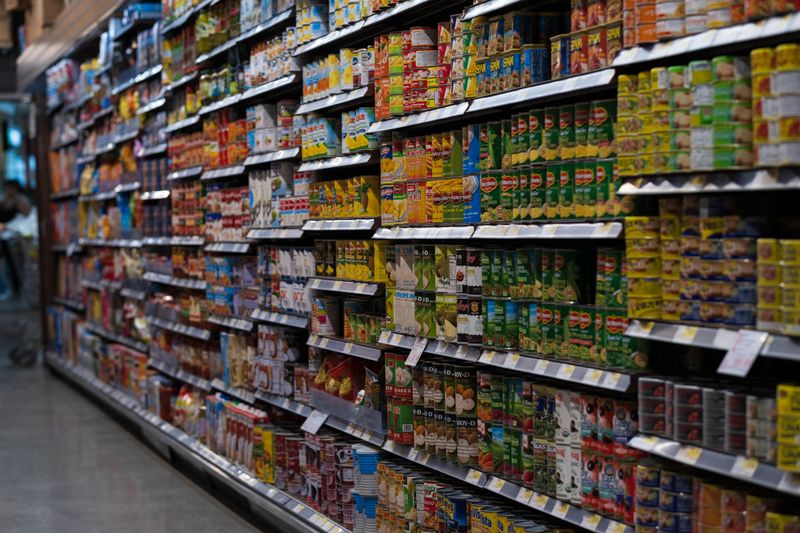
The band at eye level and just below is the most valuable space and is generally occupied by higher-margin brands rather than cheaper equivalents.
Value ranges are usually placed low, and bulk or catering sizes higher, which means the cheapest option per unit is rarely the easiest to see.
Products aimed at children sit lower still, at the eye level of someone in a trolley seat, which is a placement rather than a coincidence.
Ends and entrances are sold, not curated
Aisle ends carry promotions that are not always price reductions, and the position itself is often paid for by the supplier rather than earned.
The entrance area typically holds fresh produce and flowers, because a positive first impression influences spending through the rest of the trip.
Checkout displays exist for decisions made while standing still with nothing else to do, which is the moment least governed by planning.
Why a written list changes behaviour
A list converts shopping from open-ended browsing into retrieval of specific items, and retrieval is a task that ends.
It also moves the decision about what to buy to a moment when the shopper is not hungry, not rushed and not standing in front of the product.
Grouping the list by area of the shop reduces backtracking, which cuts both time and exposure, and is the only part of list-making that most people skip.
The limits of shopping tactically
Unit price on the shelf label is the honest comparison and is printed small, but reading it defeats most of the size and packaging design at once.
Buying the same items repeatedly builds knowledge of what a normal price looks like, which is what makes a promotion recognisable as one.
None of this requires suspicion of the shop. It is simply a designed environment, and shopping well means arriving with a plan the design cannot rewrite.
Questions readers ask
How can I tell if fish has gone off?
A strong ammonia or sour smell is the clearest sign, and any doubt is a good reason not to eat it. Fish spoils quickly, so buy it for the day you will cook it.
Is farmed fish worse than wild?
It depends heavily on the species and the farming method, and both categories contain good and poor practice. Current guidance from a national or regional sustainability body is more useful than a blanket rule.
Also by Sana Iqbal
- Cook the components, not the mealsBatch & Leftovers
- Stock is the cheapest upgrade available to a home cookBatch & Leftovers
- Roast a chicken once and you have bought three dinnersBatch & Leftovers
- Cooling food quickly is the step almost everyone skipsBatch & Leftovers