Pantry & Shopping
Unit Price Is The Only Honest Number On The Shelf
Pack sizes and promotions are designed to make comparison difficult, and the small per-kilogram figure on the shelf label is the one that allows it.

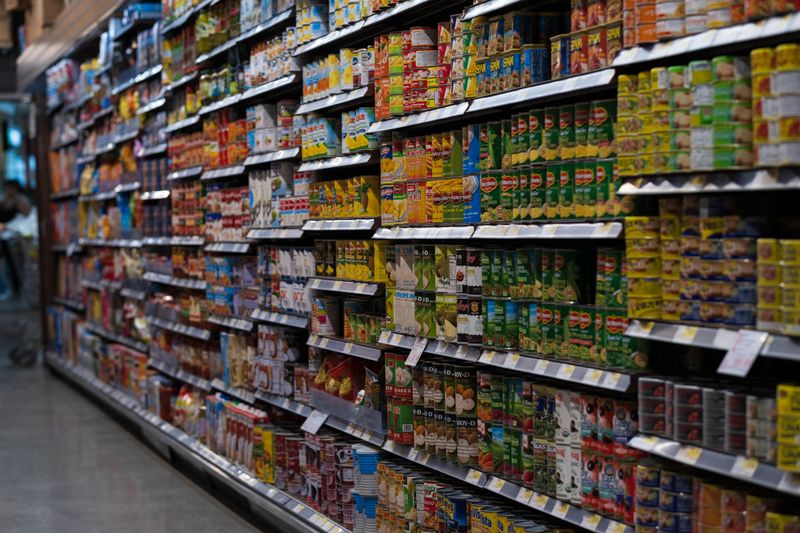
The large price on a shelf label describes a package, not a product. The small figure beside it describes the product, and it is the only one that compares.
Pack sizes are chosen to prevent comparison
Competing brands rarely use identical weights, so a shopper comparing two headline prices is comparing different quantities without noticing.
Sizes also drift downward over time while prices hold, a change invisible on the front of a packet and obvious in the per-unit figure.
Odd sizes are particularly effective at this, because dividing an unusual weight into an unusual price is not something anyone does in an aisle.
The unit is not always the same
Labels may quote per hundred grams, per kilogram, per litre or per item, and two products on the same shelf can be quoted differently.
Comparing a per-item figure with a per-weight figure is meaningless, and this appears often on things sold both loose and packaged.
Concentrated products are the trickiest, since a per-litre price on a concentrate and on a ready-to-use product describe different amounts of finished result.
Promotions do not always reduce the unit price
Multi-buy offers frequently price the deal above the unit cost of the largest single pack, so buying two of one thing can cost more per gram than one of another.
The unit price shown on a promotional label sometimes reflects the offer and sometimes the standard price, which is worth checking rather than assuming.
Larger packs are usually but not always cheaper per unit, and the exceptions cluster around products people reach for automatically.
Cheaper per unit is not always cheaper overall
A large pack thrown away half used costs more than a small one finished, which is the standard argument against buying in bulk for a small household.
Storage space, shelf life after opening and how often the item is actually eaten all belong in the calculation before the per-kilogram figure decides anything.
Perishables are where this matters most, and dry goods with long lives are where the unit price can be followed almost without qualification.
Quality still has to be judged separately
Unit price says nothing about what is in the packet, and two products at the same price per kilogram may differ in water content, filler or the proportion of the named ingredient.
Reading the ingredients list alongside the unit price is what turns a price comparison into a value comparison.
Where products are genuinely identical, such as plain flour, sugar or bicarbonate, the unit price is close to the whole story and the branding is the rest.
Questions readers ask
How can I tell if fish has gone off?
A strong ammonia or sour smell is the clearest sign, and any doubt is a good reason not to eat it. Fish spoils quickly, so buy it for the day you will cook it.
Is farmed fish worse than wild?
It depends heavily on the species and the farming method, and both categories contain good and poor practice. Current guidance from a national or regional sustainability body is more useful than a blanket rule.
Also by Sana Iqbal
- Cook the components, not the mealsBatch & Leftovers
- Stock is the cheapest upgrade available to a home cookBatch & Leftovers
- Roast a chicken once and you have bought three dinnersBatch & Leftovers
- Cooling food quickly is the step almost everyone skipsBatch & Leftovers