Baking
Flatbreads are the only bread that fits a weeknight
A loaf needs hours of proving. A flatbread needs a bowl, a pan and about the time it takes to make what goes with it.
This looks at flatbreads from the practical end — what holds up once conditions stop being ideal.
What holds up in practice
- Flatbreads need little or no rising time because they do not depend on trapped gas for height.
- A very hot dry pan cooks them in a couple of minutes.
- Many versions use no yeast at all.
Why they are fast
A risen loaf depends on gas trapped in a gluten network, and building that network and filling it takes hours. A flatbread does not need height, so it does not need that time, and many versions skip the rising stage entirely. Some use yeast for flavour and a small amount of lift, and even those often need only a short rest.
Others rely on steam generated inside the dough during a very fast bake, which requires no leavening at all. The result is a bread that can be started after the rest of dinner and still be ready first.
A short rest does most of the work
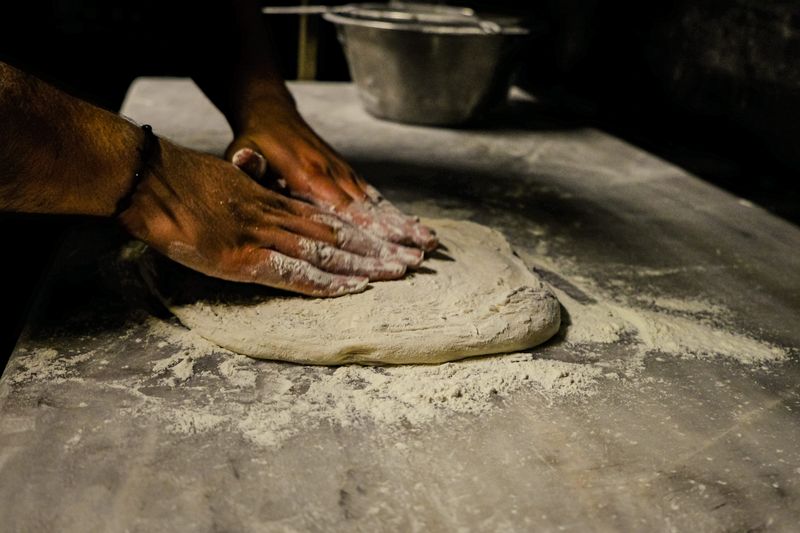
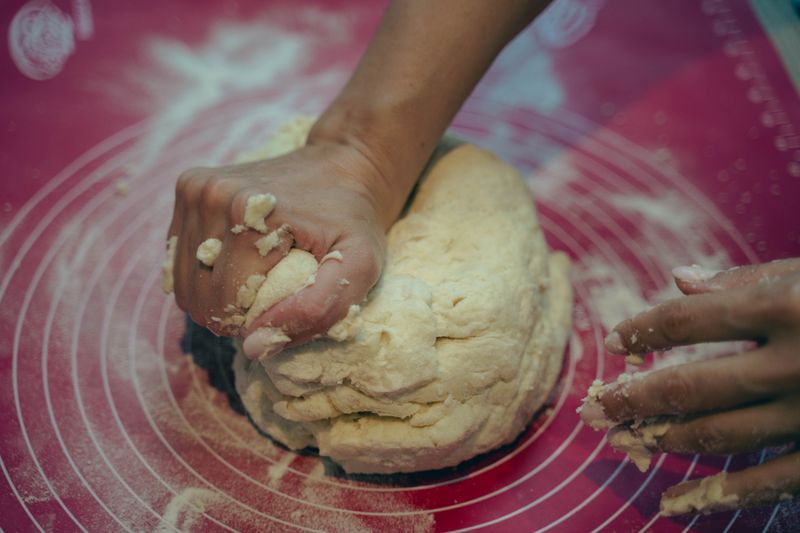
Even where no rising is needed, letting the dough sit for twenty minutes makes it dramatically easier to roll out. During that rest the flour finishes absorbing water and the gluten relaxes, so the dough stops springing back.
The part that matters: trying to roll a freshly mixed dough is a fight, and the result is uneven thickness and irregular cooking. This rest can happen while the rest of the meal is being prepared, so it costs no time at all. A dough that resists after resting simply needs a few more minutes rather than more force.
The pan has to be genuinely hot
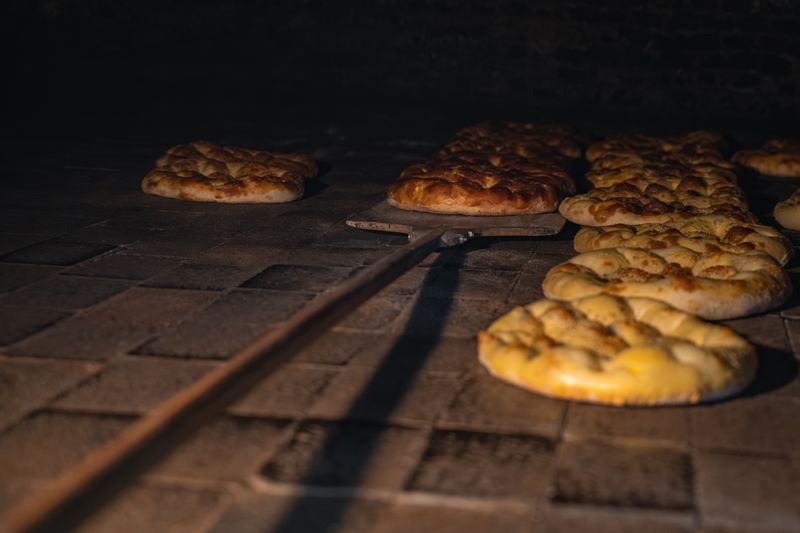
Flatbreads cook by very fast, very hot contact, which is what produces the blisters and the char spots. A pan that is merely warm dries the bread out slowly instead, leaving something stiff and pale.
Most versions want a dry pan rather than an oiled one, since oil at that temperature smokes and fries rather than bakes. Cast iron and heavy steel hold heat better than thin pans, which matters when a cold dough hits the surface. The whole cook is usually a minute or two per side, which means it needs watching rather than timing.
Steam and puffing
Some flatbreads puff dramatically because steam generated inside the dough separates it into two layers. This requires an even thickness, a sealed surface without holes, and enough heat to generate the steam quickly. A bread that does not puff is not a failure, and many traditional flatbreads are not supposed to.
Where puffing is wanted, rolling evenly matters more than any other single factor.
Pressing gently on the surface as it cooks encourages the separation to spread across the whole bread.
Enrichment changes the character
Adding fat to the dough produces a softer, more pliable bread that stays flexible as it cools. Adding yoghurt or another acidic dairy gives a tender result and a slightly different flavour. A lean dough of just flour, water and salt cooks crisper and stales faster once it has cooled.
Which one you want depends entirely on whether the bread is a wrapper, a scoop or something eaten alongside. Changing one variable at a time across several attempts teaches more than following five different recipes once each.
If you are cooking for allergies, check every label rather than any recipe.
Keeping them soft
Stacking the cooked breads and covering them with a cloth traps steam and keeps them pliable. Left uncovered on a rack they dry out within minutes, which is the usual reason a homemade flatbread turns stiff. They are best eaten immediately, and they reheat acceptably in a hot dry pan for a few seconds per side.
They also freeze well with a sheet between each one, which turns an evening of making them into a fortnight of bread. A stack of flatbreads in the freezer is one of the more useful things a home baker can keep.
The takeaway
Mix, rest twenty minutes, get the pan properly hot, and stack them under a cloth the moment they come off.
The good version is the one you can make on a Wednesday.
Questions readers ask
Do flatbreads need yeast?
Many do not. Some rely on steam alone, others use a chemical leavening or a little yoghurt. Yeasted versions usually need only a short rest rather than a full rise.
Why did mine come out stiff?
Either the pan was not hot enough, so they dried instead of cooking fast, or they were left uncovered afterwards. Stack them under a cloth as they come off the heat.