Baking
Scones and soda bread are one chemistry in two shapes
Both rely on a chemical reaction rather than yeast, both are ruined by handling and both are finished within the hour. The technique transfers directly between them.
Treat the sections below as a sequence. With soda bread and scones, getting the early decisions right makes the later ones much easier.
Before you start
- Chemical leavening produces gas immediately, so the clock starts at mixing.
- Overworking develops gluten and makes both tough.
- Cold fat left in visible pieces creates layers as it melts.
The reaction starts when you mix
Chemical leavening releases gas as soon as the dry and wet ingredients meet, rather than building slowly like yeast does. That means the useful window begins at mixing and closes long before an hour has passed. A dough left sitting on the worktop loses much of its lift before it ever reaches the oven.
The practical instruction is to have the oven fully preheated before the liquid goes into the bowl. This single point explains why the same recipe rises well one day and disappoints the next.
Handling is what makes them tough
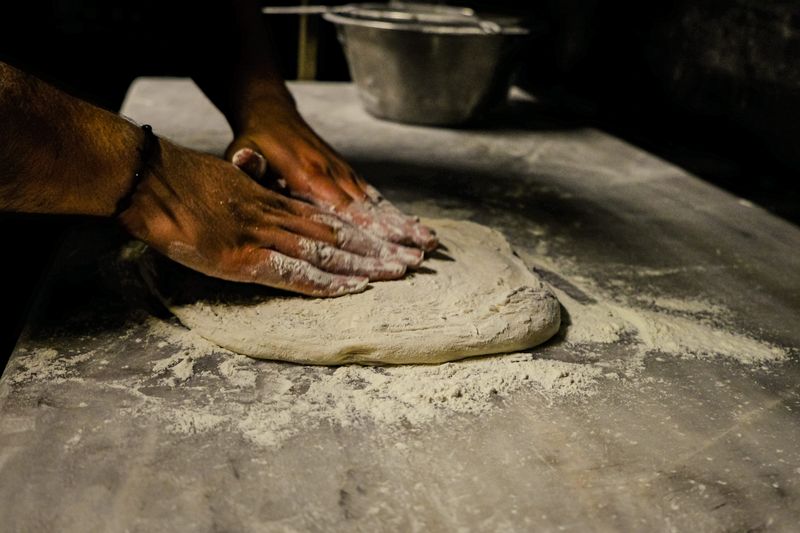
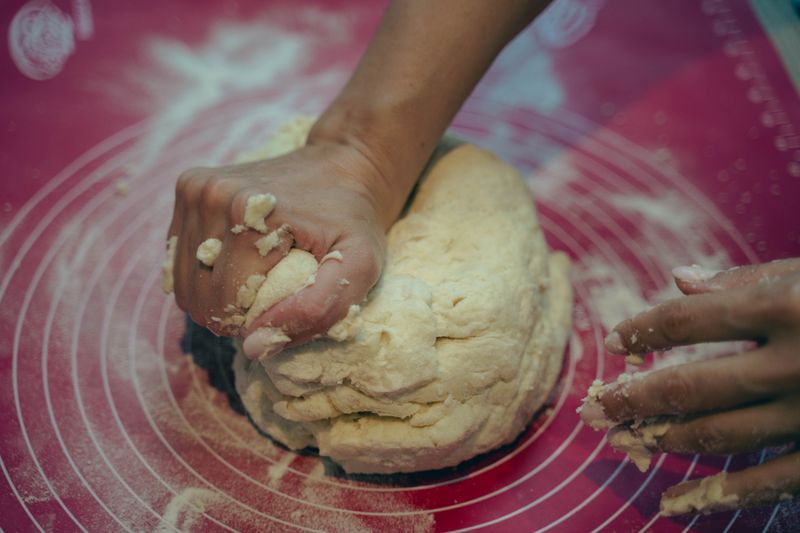
Both doughs contain enough flour and moisture to develop gluten if they are worked, and gluten is exactly what you do not want here. The aim is a shaggy, barely combined dough that holds together and nothing more.
Kneading, rerolling and pressing all develop the network and produce a dense, chewy result rather than a tender one. This is the opposite instruction to bread, which is why a competent bread baker often makes poor scones at first. Bringing the dough together with as few movements as possible is the whole technique, and it takes some restraint.
Cold fat and visible pieces
Fat rubbed into flour coats the particles and interrupts the gluten network, which is where tenderness comes from. Pieces of fat left visible melt during baking and leave gaps that become layers, which is why scones flake. If the fat becomes warm and fully blended, that layering effect disappears and the texture becomes uniform.
Working quickly, with cold fat and cool hands, preserves the pieces through the mixing stage. Grating frozen fat into the flour is a reliable way to achieve this without any rubbing in at all.
Acid and the leavening pair
Bicarbonate of soda needs an acid to react with, which is why these recipes call for buttermilk, yoghurt or soured milk. Baking powder already contains its own acid, which is why it works with plain milk or water.
In practice, substituting one for the other without accounting for this produces either no rise or a soapy taste from unreacted soda. Where a recipe calls for an acidic dairy and you have none, the usual substitutions change both the flavour and the texture slightly.
Understanding which of the two your recipe uses tells you immediately what you can and cannot swap.
Shaping without pressing
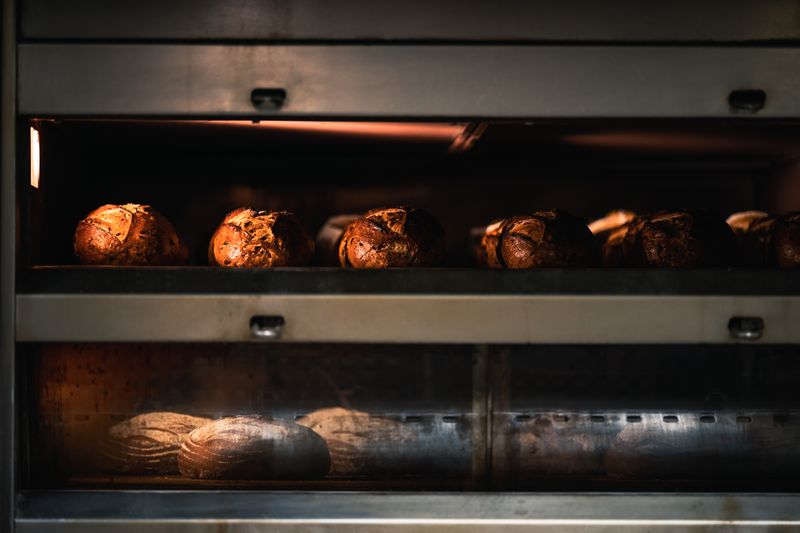
Patting the dough out by hand rather than rolling it keeps more air in and applies less pressure. Cutting straight down without twisting matters, since twisting seals the edge and prevents an even rise. A soda loaf is scored deeply so heat can reach the centre before the outside is done.
On a weeknight, placing scones close together on the tray encourages them to rise upwards by supporting one another. These are small mechanical details, and together they account for most of the difference between a good result and a flat one.
Adjust seasoning at the end rather than trusting a quantity written by a stranger.
They do not keep
Both are at their best within a few hours and noticeably worse the following day, since there is no fermentation to slow staling. This is not a fault to be corrected but a property of the method, and it is why they are made in small quantities. Freezing the shaped raw dough and baking from frozen is the most effective way to have them fresh without making them each time.
Warming a day-old one briefly restores some of the texture, though not all of it. The speed that makes them possible on a weeknight is the same speed that means they should be eaten the same evening.
The takeaway
Preheat first, keep the fat cold, handle the dough as little as possible, and get it into the oven immediately.
Get the heat and the salt right and the rest is detail.
Questions readers ask
Why are my scones tough?
Almost always overworking. Bring the dough together with as few movements as possible and stop while it still looks rough.
Can I use milk instead of buttermilk?
Only if the recipe uses baking powder rather than bicarbonate of soda. Soda needs an acid to react with, and plain milk does not provide one.