Baking
Overmixing muffins and undermixing bread are the same mistake
Both are a misjudgement about how much the flour should be worked. One recipe wants a network and the other wants none.
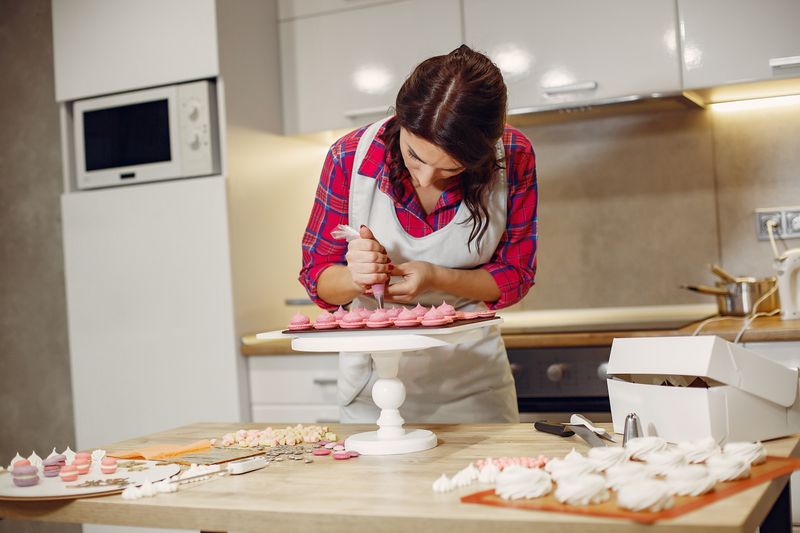
What follows is the working version of mixing methods: the decisions in the order you actually meet them, with the reasoning attached.
Before you start
- The mixing instruction encodes how much gluten the recipe wants.
- Batters with chemical leavening also lose gas the longer they are mixed.
- Lumps in a muffin batter are usually correct.
Mixing is a gluten instruction
When a recipe says mix until just combined, it is telling you that the flour must be hydrated but not worked. When it says knead for ten minutes, it wants the opposite, which is a fully developed elastic network.
Reading the instruction that way makes it obvious why the two cannot be swapped. Almost every method word in baking, from folding to creaming to beating, is really about air and gluten.
Quick breads and muffins
Muffin and quick bread batters are leavened chemically and set fast, so gluten development gives toughness rather than structure. Overmixed muffins develop tunnels and peaked tops and turn rubbery within a day. A batter with visible lumps of dry flour is generally what you want, since those hydrate during baking.
In practice, mixing the wet and dry ingredients separately first means fewer strokes are needed to bring them together.
Chemical leavening is also a clock
Bicarbonate of soda reacts as soon as it meets acid and moisture, so the gas starts leaving immediately. That is why soda-leavened batters go into the oven promptly rather than sitting on the counter. Double-acting baking powder releases some gas at mixing and more at oven heat, which gives more tolerance for delay.
A batter that sat for twenty minutes will rise less, which people usually blame on the leavening being old.
Creaming and folding
Creaming butter and sugar is an aeration step, and it needs enough time for the mixture to lighten visibly in colour and volume. Folding is designed to combine without knocking that air out, which is why it uses a wide motion and few strokes. Beating a folded mixture undoes the previous ten minutes of work in about twenty seconds.
Whisked egg foams are the most fragile and lose volume fastest, which is why they are folded in last.
Bread wants the opposite
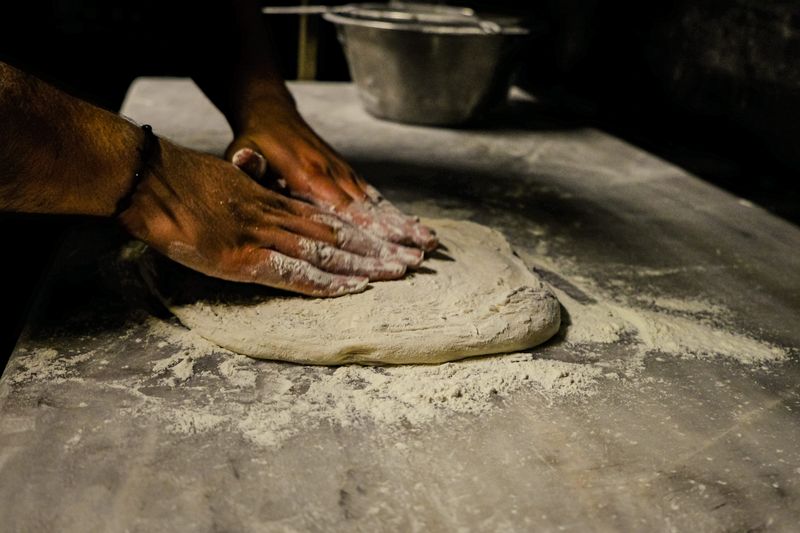
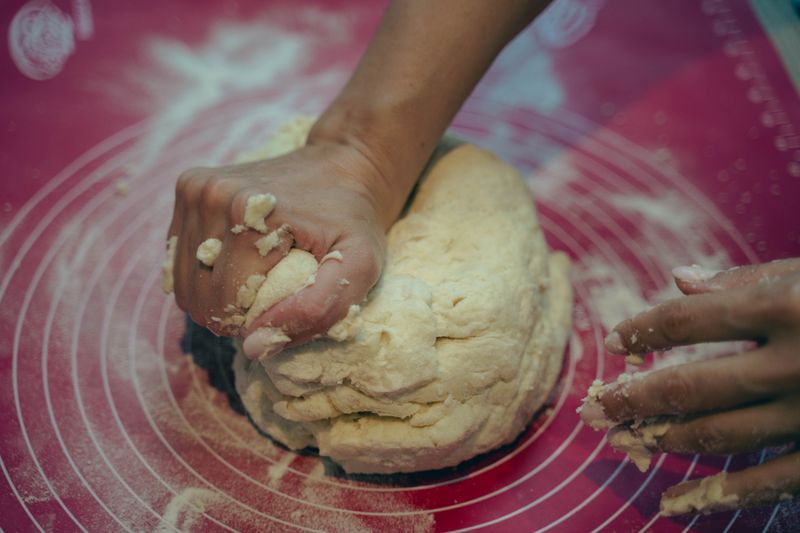
Bread dough needs enough working for the gluten to hold gas through a long fermentation and a hot oven. Underdeveloped dough spreads flat and produces a tight, crumbly crumb with a coarse texture. Development can come from kneading, from folds during the rise, or simply from time in a wet dough.
The windowpane test, stretching a piece until it is translucent without tearing, tells you when it is done.
Substitute freely; the method matters more than the shopping list.
When you cannot tell which you have
A tough, chewy result where you wanted tender means you worked it too much. A crumbly, collapsing result where you wanted structure means you worked it too little.
Machine mixing accelerates both outcomes, so a stand mixer needs watching more closely than a spoon. The instruction in a good recipe is usually precise about this, and it is the instruction most often skimmed.
The takeaway
Ask what the recipe wants from the flour, then mix as much or as little as that answer requires.
The good version is the one you can make on a Wednesday.
Questions readers ask
How lumpy should muffin batter be?
Visibly lumpy, with streaks of flour just disappearing. Those lumps hydrate in the oven, and chasing them out is what makes muffins tough.
Can I overmix bread dough?
In a machine, yes, eventually. The dough goes slack and shiny and tears easily as the network breaks down. By hand it is very hard to reach.