Batch & Leftovers
A hot oven should never cook only one thing
Heating an oven takes energy and time regardless of how much is inside it. Anything else you put in while it is hot is effectively free.
The theory of using a hot oven twice is well covered elsewhere. This is about the version you meet in practice.
What holds up in practice
- The energy cost of heating an empty oven is the same whatever is inside.
- Different foods tolerate a shared temperature better than people assume.
- Residual heat after switching off still cooks and dries things usefully.
The oven is already paid for
Bringing a large insulated box up to temperature takes a fixed amount of energy and a fixed amount of waiting. A single tray inside that box uses a small fraction of the space and none of the remaining capacity.
Anything else placed alongside it costs almost nothing extra, since the oven is running either way. This is the clearest efficiency available in a home kitchen and it requires no technique whatsoever. The only thing it requires is deciding what the second item will be before the oven is switched on.
Temperature is more flexible than recipes suggest
Most recipes state a single temperature, but many dishes tolerate a range of twenty degrees or more with only a timing adjustment. Cooking something at a slightly lower temperature for longer, or higher for less time, is usually acceptable. Delicate baking is the exception, since cakes and pastries depend on specific rates of setting and rising.
On a weeknight, roasting, braising and drying are all forgiving, which makes them good candidates for sharing an oven. Where two dishes genuinely cannot share, running them consecutively still saves the second preheat entirely.
What to put in alongside
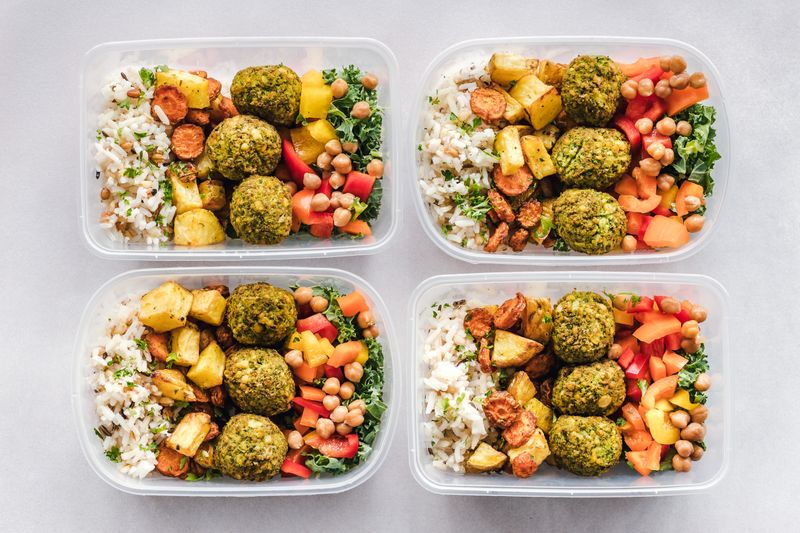
A tray of vegetables for the week is the obvious companion, since it wants a similar temperature to most roasts. Whole roots and squashes cook unattended and become the base of soups, mashes and fillings later.
Nuts and seeds toast in a few minutes at almost any temperature and keep well once cooled. Stale bread becomes breadcrumbs or croutons, which is a use for something that would otherwise be discarded. Anything that needs long slow heat, such as a pot of beans, can share with almost anything else on a lower shelf.
Managing the shelves
Heat is not identical throughout an oven, and most have a hotter region that varies by model. The item that needs the most colour goes in the hottest position, and anything delicate goes further from it. Swapping trays partway through evens out the difference and takes a few seconds.
Nine times out of ten, overloading restricts airflow, particularly in a fan oven, so leaving gaps between trays matters.
Anything that drips should be on a lower shelf or on a tray of its own, for obvious reasons.
Using the heat after it is off
An oven switched off stays hot for a considerable time, and that residual heat continues to do useful work. Drying breadcrumbs, finishing meringues, keeping plates warm and softening butter all happen perfectly well in a cooling oven.
The part that matters: a pot of something already cooked can rest there rather than occupying a burner. Bread dough proves reliably in an oven that has been briefly warmed and switched off, though it must not be too hot. None of these are essential, and together they extract real value from heat that would otherwise be vented into the room.
Building the habit
The decision has to be made before the oven goes on, because afterwards the moment has passed. Keeping a mental list of two or three default companions removes the need to think about it each time. Prepping the second item while the oven preheats uses time that was going to be spent waiting anyway.
Over a month this quietly produces a stock of roasted vegetables, toasted nuts and cooked pulses at no additional cost. It is the least demanding form of batch cooking there is, since it attaches itself to something you were doing regardless.
The takeaway
Decide the second tray before you switch the oven on, and use the cooling oven afterwards for something dry.
The good version is the one you can make on a Wednesday.
Questions readers ask
Can two dishes with different temperatures share an oven?
Often yes, by meeting in the middle and adjusting the timing. Delicate baking is the exception, since it depends on precise rates of setting and rising.
Does a full oven cook less evenly?
It can, especially if airflow is blocked. Leave gaps between trays, swap their positions partway through, and do not stack them directly above one another.