Batch & Leftovers
Sauces freeze well, assembled dishes usually do not
What survives a freezer is decided by water, fat and starch. A sauce is mostly liquid and comes back intact; a finished plate has three textures and loses all of them.
The options around freezing sauces are set out side by side below, with the conditions that genuinely favour one over the other.
The difference in one place
- Ice crystals damage structure, so foods with structure suffer most.
- A sauce has little structure to lose and rebuilds on reheating.
- Dairy and starch-thickened sauces can separate but often recover with stirring.
Structure is what freezing destroys
Water expands as it freezes and forms crystals that push against whatever surrounds them. In food with cell walls or a delicate texture, those crystals rupture the structure and the damage is visible on thawing.
A sauce has very little structure to begin with, so there is correspondingly little to lose. That is why a sauce emerges from the freezer close to how it went in while a plated dish emerges as something else. Understanding this single mechanism explains almost every success and failure in freezing cooked food.
What freezes reliably
Tomato and vegetable sauces freeze extremely well, since they are largely liquid and were cooked to softness anyway. Stocks, soups and braising liquids all fall into the same category and can be frozen in almost any form. Cooked pulses and beans keep their texture reasonably well when frozen in their liquid, since the surrounding liquid buffers them against crystal damage.
Meat cooked in a sauce is largely protected, since the surrounding liquid buffers it against the worst of the crystal damage. Raw doughs and many batters freeze well too, which is a separate application and one that very few home cooks make any use of.
What does not
Anything crisp loses its surface permanently, because moisture returns to it during thawing and there is no way back. High-water vegetables such as salad leaves and cucumbers collapse entirely and are not worth attempting.
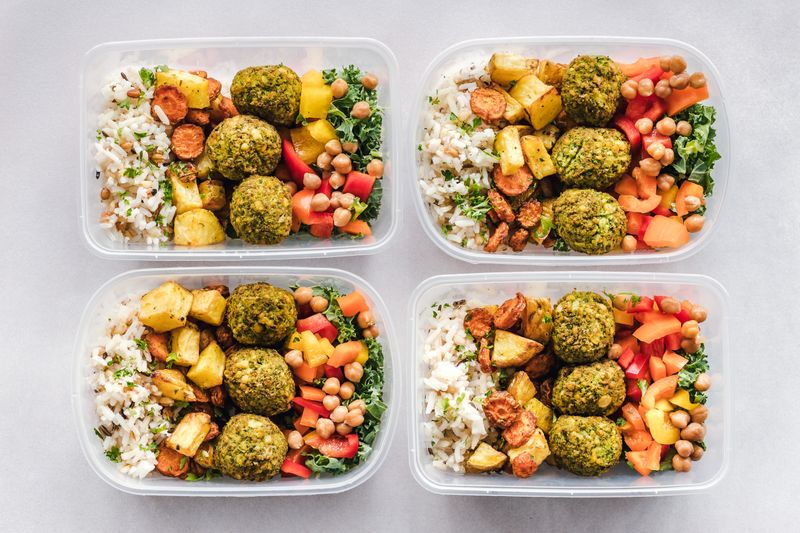
Delicate emulsions can break, and while some recover with gentle reheating, others do not. Cooked potato in some forms becomes grainy, though this varies considerably by preparation and by variety. Assembled dishes with several distinct textures usually lose the contrast that made them worth assembling.
Dairy and starch behave awkwardly
Cream and milk-based sauces can separate on thawing as the fat and water phases come apart. Many of them come back together with slow reheating and steady stirring, which is worth trying before discarding anything.
The part that matters: a starch-thickened sauce can turn grainy, since the starch structure changes at low temperature in a way that does not fully reverse. Freezing the sauce before the dairy or the starch goes in, and adding those at reheating, sidesteps both problems entirely.
This is another argument for freezing bases rather than finished dishes, since the base is the part that keeps.
Freezing bases instead of meals
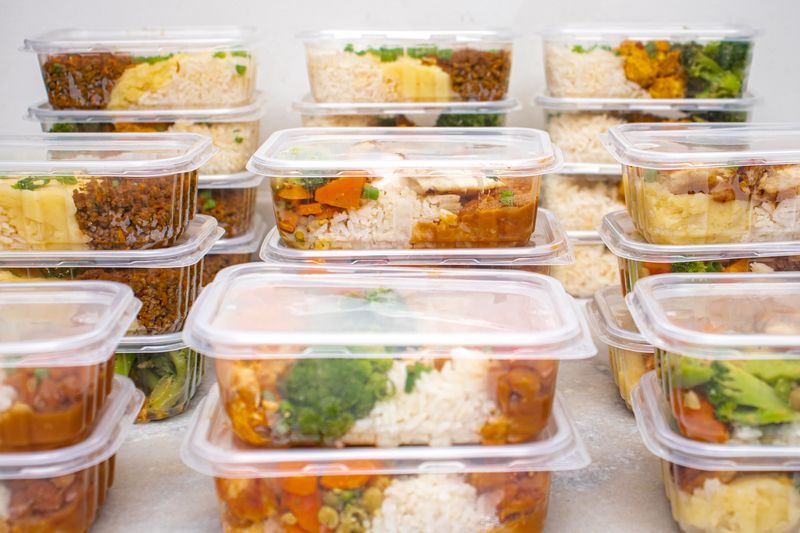
A sauce base, a cooked aromatic mixture or a braising liquid is more useful frozen than a complete dinner is. The base takes the long cooking, which is the part you want to have done in advance. The fast components, whether pasta, rice, greens or a piece of protein, are quick to cook fresh on the evening.
At the stove, the result tastes freshly made because most of it was, while the slow part came out of the freezer. It also gives flexibility, since one frozen base can become several different meals depending on what it is served with.
Adjust seasoning at the end rather than trusting a quantity written by a stranger.
Practical handling
Sauces should be cooled before freezing and frozen in flat portions, which speeds thawing dramatically. Leaving headroom in rigid containers matters, since liquid expands as it freezes and will otherwise force the lid.
Freezing in small blocks rather than one large one makes it easy to take out exactly the quantity a given dish needs. Most sauces can be reheated straight from frozen with a little liquid and a low heat, which removes the thawing step. Seasoning almost always needs adjusting after freezing, so tasting at the end of reheating is not optional.
Side by side
| Consideration | What it means in practice |
|---|---|
| Structure is what freezing destroys | Ice crystals damage structure, so foods with structure suffer most. |
| What freezes reliably | A sauce has little structure to lose and rebuilds on reheating. |
| What does not | Dairy and starch-thickened sauces can separate but often recover with stirring. |
The takeaway
Freeze the slow wet part, cook the fast part fresh, and taste again once it is hot.
Taste it before it leaves the pan. That is most of cooking.
Questions readers ask
Why did my creamy sauce separate after freezing?
The fat and water phases came apart. Reheat it slowly with steady stirring and it often comes back. Better still, freeze the base and add the dairy when you reheat.
Should I freeze whole meals or components?
Components, in most cases. A frozen base plus something cooked fresh tastes far better than a fully assembled dish that has been through a freezer.