Batch & Leftovers
A Pot Of Beans Is A Week If You Keep The Liquid
The cooking liquid from dried pulses is a starchy, seasoned broth that carries most of the flavour, and discarding it throws away the best part of the batch.

Cooking dried pulses in quantity is one of the cheapest batch jobs in a kitchen. Most of the value is lost at the last step, when the liquid goes down the sink.
What ends up in the water
During a long simmer, starch leaches out of the pulses and thickens the liquid slightly. Soluble proteins and minerals move out with it, along with anything aromatic added to the pot.
The result is a lightly bodied broth with real flavour, not a rinse. It behaves like a weak stock that also thickens what it is added to.
Chickpeas and white beans give the most viscous liquid. Lentils give less, because they cook quickly and shed less starch before they collapse.
Storing beans dry ruins them
Drained pulses left in a container continue to dry at the surface and their skins toughen. Reheating them then splits skins from interiors and turns the texture mealy.
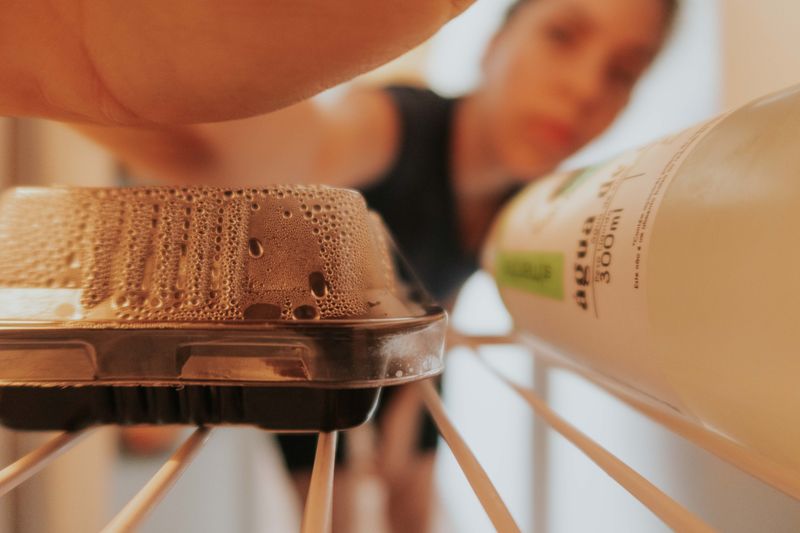
Kept submerged in their own liquid, they stay plump and the skins stay intact. The liquid also insulates them from the fridge's drying air.
This is the same reason tinned pulses sit in liquid rather than being packed dry. The packer is protecting texture, not padding the weight.
The liquid is a sauce base already
A ladle of bean liquid loosens a stew, thickens a soup and emulsifies into pasta sauces in the way starchy pasta water does, with more flavour behind it.
Blended with a portion of the beans themselves, it becomes a smooth base that needs only fat and acid to finish, without cream or a roux.
It also rescues a pot of beans that has been over-reduced, since adding plain water at that stage dilutes everything that has been built up.
Season the pot, not the plate
Pulses absorb salt slowly, so seasoning the cooking water means the interiors are seasoned rather than the surface. The liquid ends up seasoned in step with them.
Aromatics belong in the same pot for the same reason. A halved onion, bay, garlic and a strip of dried chilli all end up in the broth.
Acid is the exception and goes in near the end, because it slows the softening of the skins and can leave beans firm long after they should be done.
Freezing the two together
Portions frozen with enough liquid to cover come back closer to freshly cooked, because ice crystals form in the surrounding broth rather than inside the pulses.
Flat bags stack and thaw quickly, and the liquid thaws first, which means a portion can be tipped into a pan before the beans have fully separated.
A pot cooked once therefore supplies a soup, a braise base and a side across several days, all of which depend on the liquid still being there.
Questions readers ask
Can two dishes with different temperatures share an oven?
Often yes, by meeting in the middle and adjusting the timing. Delicate baking is the exception, since it depends on precise rates of setting and rising.
Does a full oven cook less evenly?
It can, especially if airflow is blocked. Leave gaps between trays, swap their positions partway through, and do not stack them directly above one another.