Batch & Leftovers
Chili And Chowder Reheat In Opposite Directions
One improves overnight because its flavors keep merging, the other degrades because dairy and starch separate, and knowing which is which decides what to batch cook.

Two pots of soup made on the same Sunday can end the week very differently. What separates them is what is holding the liquid together.
A chili keeps working in the fridge
Chili is a stable mixture of water, fat, protein and dissolved compounds from spices and aromatics. Nothing in it is in a fragile suspension that time can break.
Sitting overnight, those compounds continue to distribute. Fat-soluble flavors from chili powder and cumin migrate through the fat phase and reach parts of the pot they had not yet.
Beans and tomato also continue to soften and release starch, which thickens the pot slightly. The reheated version is more integrated than the freshly made one.
A cream chowder is a suspension under strain
A chowder holds dairy proteins and fat dispersed through a starchy liquid. That dispersion is maintained by gentle heat and it is not permanent.
Cooling, storing and reheating all stress it. Proteins clump, fat separates toward the surface, and the smooth body becomes grainy at the exact point where it was the appeal.
Aggressive reheating makes it worse, because a hard boil accelerates protein coagulation. Low heat with stirring is the only way to bring one back, and it rarely returns fully.
Starch behaves differently on the second day
Potatoes and flour-thickened liquids undergo retrogradation as they cool, with starch molecules re-associating into a firmer structure. That is why a chowder sets into a solid overnight.
Reheating loosens it partially but not completely, and the potatoes themselves go mealy at the edges after being cooked, cooled and cooked again.
Chili's starch comes largely from beans, which hold their shape far better through the same cycle. The thickening reads as body rather than as gluey.
The practical split for batch cooking
Dishes built on fat, acid and long-cooked aromatics are batch candidates. Braises, stews, chilis, curries and tomato sauces all belong here.
Dishes built on dairy emulsions, fresh dairy or crisp texture are made-that-day propositions. Cream soups, cheese sauces and anything finished with a crunchy topping do not travel forward.
The workaround for the second group is to batch the base and finish it later. Cook the vegetables and stock ahead, and add the cream on the night it is eaten.
Cooling matters for both
Whichever pot you made, a large volume of hot liquid cools slowly, and a deep pot in the fridge stays warm in the center for a long time.
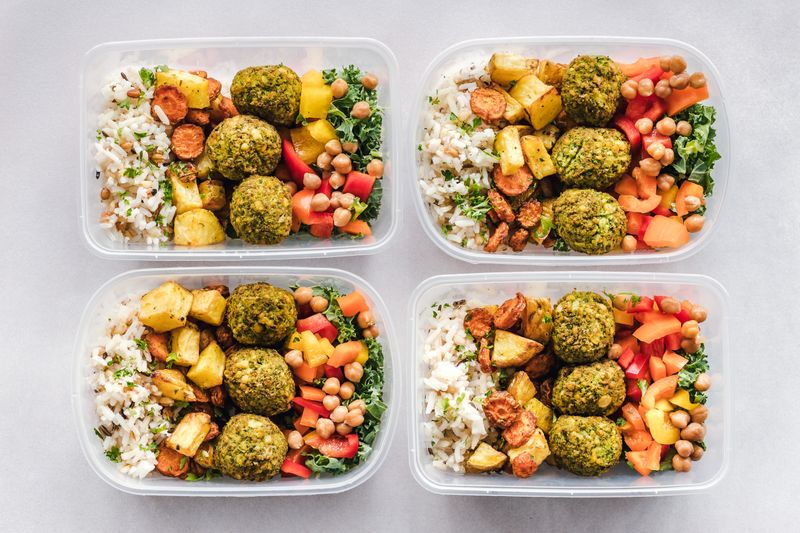
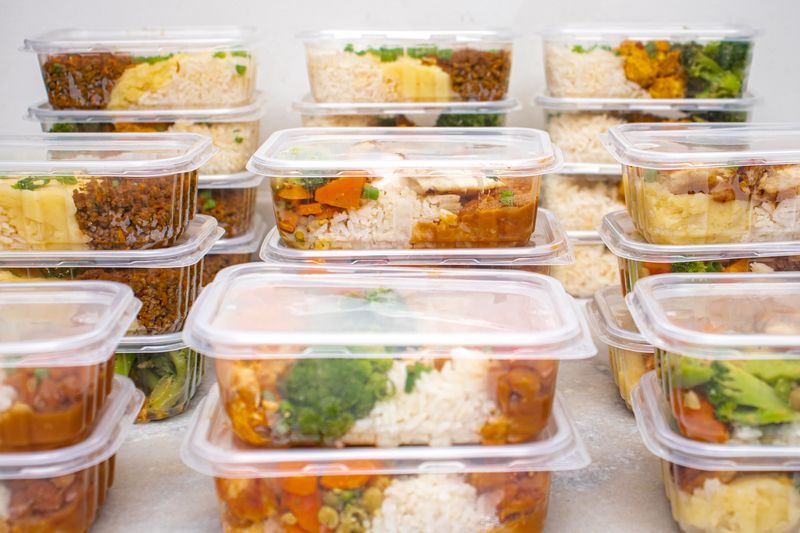
Dividing into shallow containers speeds that considerably, and it also means you reheat only what you intend to eat rather than cycling the whole pot repeatedly.
Published safe-handling guidance addresses cooling and reheating of cooked food directly, and it is the right reference for how long something has been out and whether it should be kept.
Questions readers ask
Can two dishes with different temperatures share an oven?
Often yes, by meeting in the middle and adjusting the timing. Delicate baking is the exception, since it depends on precise rates of setting and rising.
Does a full oven cook less evenly?
It can, especially if airflow is blocked. Leave gaps between trays, swap their positions partway through, and do not stack them directly above one another.