Batch & Leftovers
Holiday Leftovers Need A Plan Before The Meal Is Cooked
A large holiday meal produces more surplus than any fridge organizes on its own, and the decisions that make it usable have to be made before anyone sits down.

The problem with a big holiday meal is not the cooking. It is that a very large volume of hot food needs handling at the exact moment everyone is least inclined to work.
The surplus arrives all at once
A meal built for a crowd produces several dishes of leftovers simultaneously, at the end of a long day, when the kitchen is already full of dishes and the cook is finished.
That timing is why so much of it ends up shoved into the fridge in the serving dishes it was cooked in, uncovered or loosely wrapped.
Serving dishes are deep and wide, they occupy shelf space badly, and they hold heat, which works against everything the food needs at that moment.
Cooling is the step the day works against
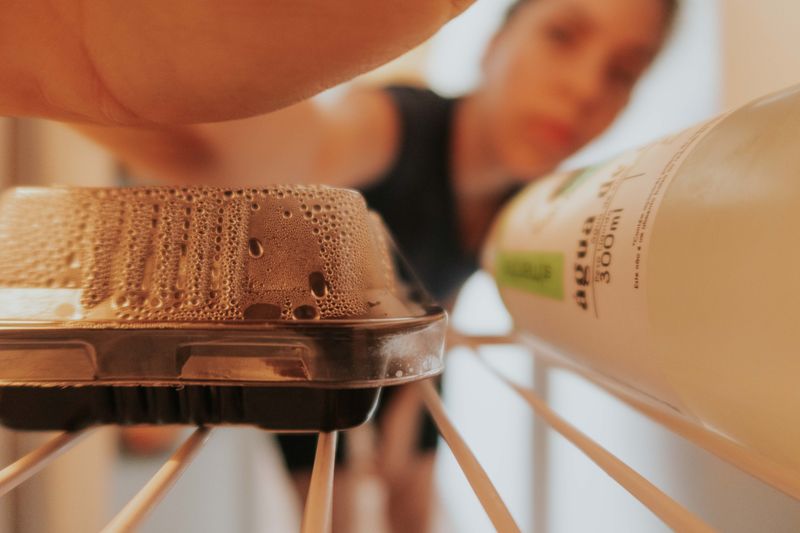
Large volumes of hot food lose heat slowly, and a deep dish in a crowded fridge cools slower still because the air around it is not moving.
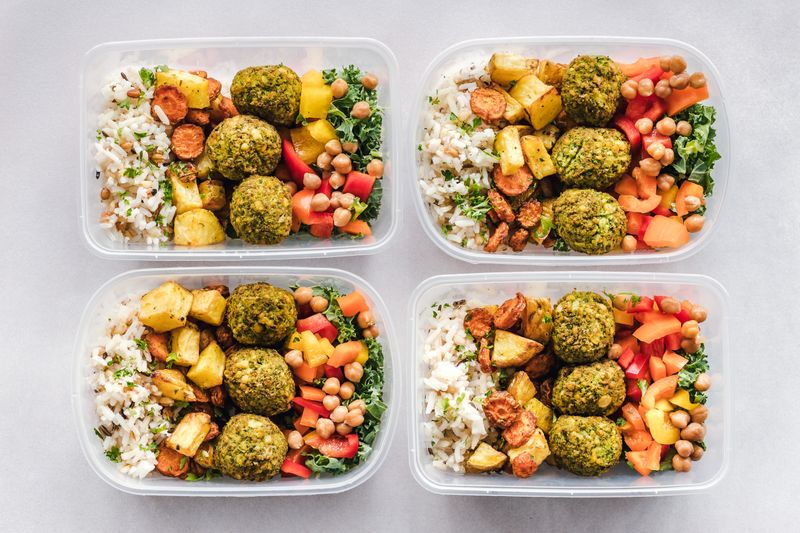
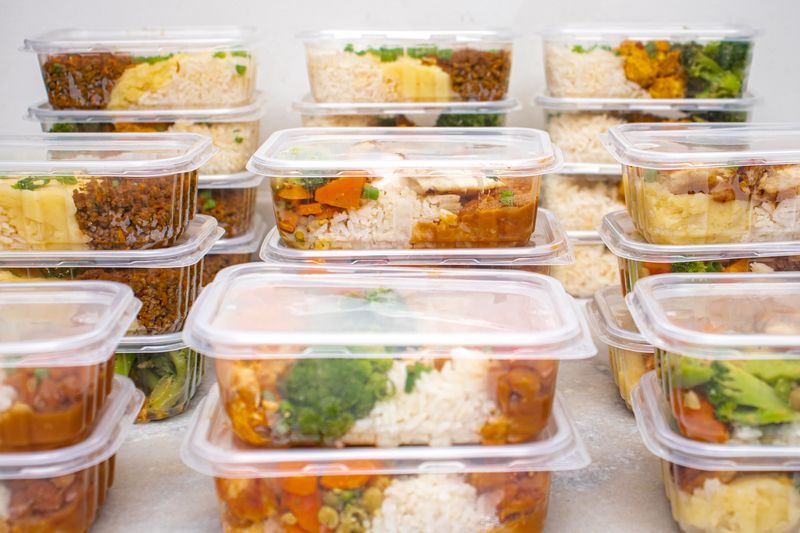
Dividing into shallow containers before refrigerating increases surface area and shortens the time spent in the range where cooling matters most for safety.
Published safe-handling guidance sets out how long cooked food should sit out and how quickly it should be chilled. Reading it before the holiday is easier than recalling it at ten at night.
Deciding in advance is what makes it work
The containers, the freezer space and the second round of dishes all need to exist before the meal, not be improvised after it.
Clearing a shelf that morning and setting out storage containers takes a few minutes and removes the single largest obstacle to putting the food away properly.
Deciding which dishes are being kept and which are not is equally useful. Not everything on a holiday table is worth the fridge space it will occupy for days.
Some dishes survive and some do not
Roasted meat, gravy, stuffing and cooked vegetables all keep and reheat acceptably. Their structure does not depend on being freshly finished.
Anything built on texture contrast fails. A crisp topping goes soft, a dressed salad wilts, and a whipped or aerated dessert deflates in the container overnight.
Sauces and gravies freeze particularly well and are worth saving deliberately, because they are the component that makes reheated meat taste like a dish rather than a remainder.
Turning it into a different meal beats repeating it
Repeating the same plate three nights running is why leftovers get abandoned. The food is fine; the sameness is the problem.
Cooked meat, stock from the bones and leftover vegetables recombine into soups, hashes, sandwiches and pot pies that read as new dinners rather than as the holiday again.
Making that shift on the first day, while the food is at its best, produces better results than deciding on day four when the enthusiasm has already gone.
Questions readers ask
Can two dishes with different temperatures share an oven?
Often yes, by meeting in the middle and adjusting the timing. Delicate baking is the exception, since it depends on precise rates of setting and rising.
Does a full oven cook less evenly?
It can, especially if airflow is blocked. Leave gaps between trays, swap their positions partway through, and do not stack them directly above one another.