Batch & Leftovers
Label The Container Or You Cook The Same Thing Twice
Frozen food loses its identity within days, and an unlabeled container becomes a decision nobody wants to make, so it stays in the freezer.

The reason a full freezer still produces a takeout order is rarely a shortage of food. It is that nobody can tell what is in the containers.
Frozen food stops looking like itself
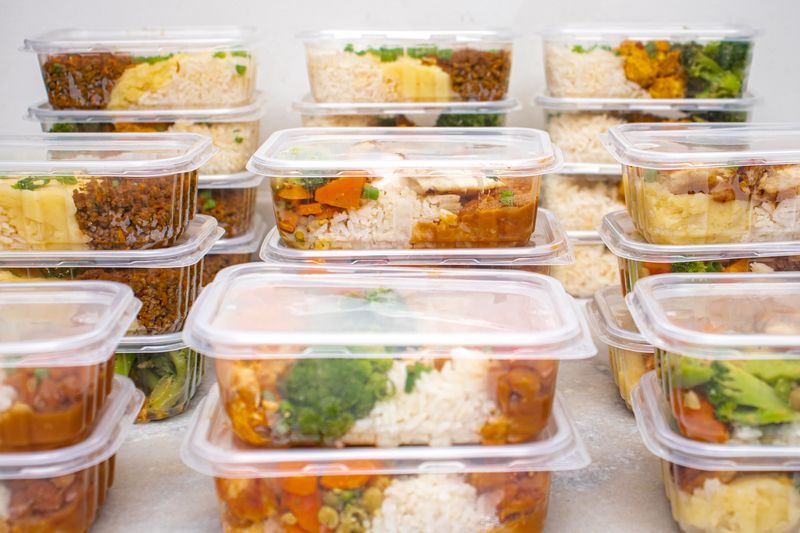
Sauces, soups, stews and chili all become the same opaque block once frozen solid. Color shifts, texture is invisible, and the container shape erases whatever the dish looked like on the plate.
Two weeks later the guess is genuinely difficult. Marinara and chili freeze into similar reddish blocks, and stock and gravy are indistinguishable through the side of a container.
Being unable to identify something makes it a risk rather than an option. A cook standing in front of the freezer at six will pick the known quantity every time.
A label answers three questions
What it is, when it went in, and how much is there. Each of those affects a decision, and missing any one of them weakens the container's usefulness.
The date matters because quality declines even while food stays safe, and because rotation only works if the oldest item is identifiable. Undated containers drift to the back permanently.
The quantity matters at the point of planning. Knowing a bag holds enough for two versus enough for a family is the difference between a plan and a gamble.
The labeling has to survive the freezer
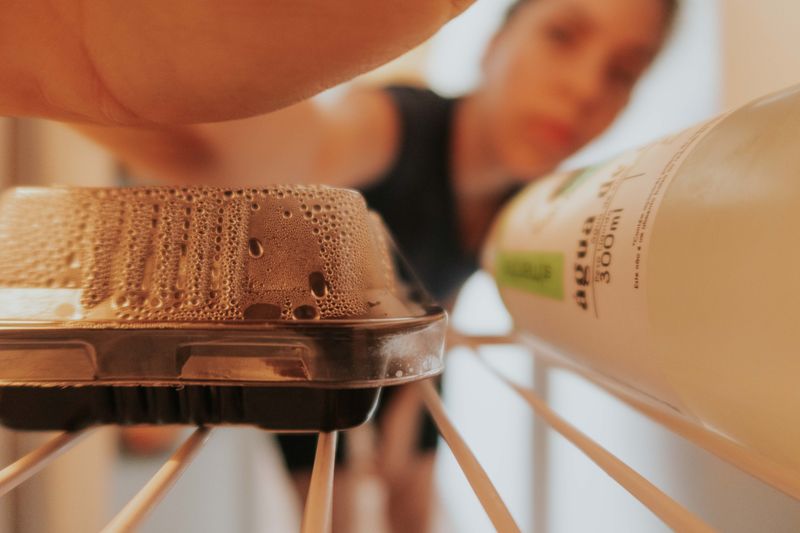
Cold and condensation defeat most adhesives, and a sticky note falls off within a day. Masking tape with a permanent marker holds far better on a dry container surface.
Writing directly on a freezer bag with a marker removes the adhesive problem entirely. The ink sits on plastic that is not going anywhere.
Applying the label before filling is easier and drier than doing it afterward, when the container is cold and the outside has already started to sweat.
Note what still has to happen
A label that says only what the food is skips the useful part. Whether something needs a thaw, needs liquid added, or is ready to reheat changes whether it fits tonight.
Adding a short instruction turns a container into a plan. Rice that only needs steam is a different weeknight proposition from a raw marinated protein that has to defrost first.
This is where safe handling guidance belongs on the label too. Noting that something was frozen raw tells whoever opens it that thawing and cooking still lie ahead.
The list on the door closes the loop
Labels solve identification but not memory. Nobody opens a freezer to browse, and food at the back stays out of mind however clearly it is marked.
A running list of what is inside, kept where it is visible without opening the door, turns the freezer into something you can plan against before shopping.
Crossing items off as they are used is the part that fails most often, and it is the part that keeps the list worth reading a month later.
Questions readers ask
Can two dishes with different temperatures share an oven?
Often yes, by meeting in the middle and adjusting the timing. Delicate baking is the exception, since it depends on precise rates of setting and rising.
Does a full oven cook less evenly?
It can, especially if airflow is blocked. Leave gaps between trays, swap their positions partway through, and do not stack them directly above one another.