Batch & Leftovers
Portion By Weight And The Week Stops Guessing
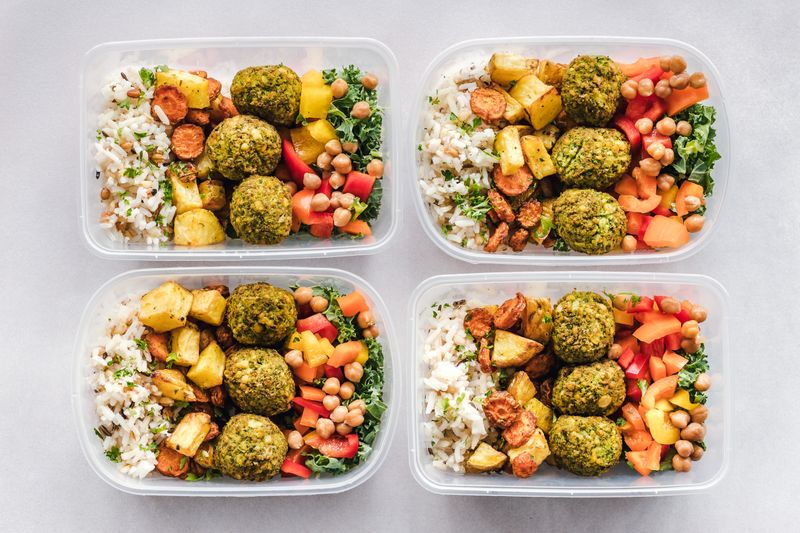
Dividing a batch by eye produces uneven containers that reheat inconsistently, while weighing portions makes reheating times, seasoning and planning repeatable.

A batch divided by eye ends up as several different meals of different sizes. Weighing the portions costs a minute and makes everything downstream predictable.
Uneven portions reheat unevenly
Heating time depends on mass and on the shape of the container, so a portion half again as large as its neighbour needs meaningfully longer.
Since nobody adjusts for that, the large portion comes out cold in the middle and the small one dries at the edges, from the same instruction.
Equal weights remove the variable entirely. One reheating time works for every container from that batch, and it can be written on the label.
Seasoning only scales if quantities are known
Finishing a portion with salt, acid or fat is proportional work. A portion of unknown size gets an arbitrary amount and tastes different each time.
This matters most in dishes finished after reheating, such as a grain bowl or a soup that gets cream and lemon at the end.
Knowing that every container holds the same amount means a habit can form, and habits are what make repeated cooking fast rather than deliberate.
Planning needs countable units
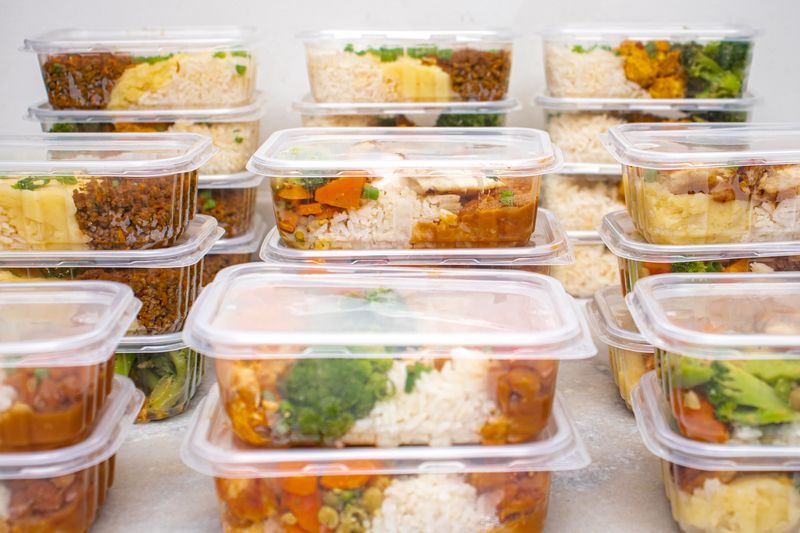
A freezer holding four portions is a plan. A freezer holding a large tub, a small tub and something in between is a decision to be made later.
Uniform portions can be counted against the days of the week, which is the whole point of batching, and mismatched ones cannot.
They also stack, since equal weights in identical containers occupy identical space, and stacking is what determines how much a drawer actually holds.
Choosing a portion size that fits the household
The right weight is discovered rather than looked up, by weighing what actually gets eaten from a normal plate over a few meals.
Dense dishes weigh more for the same satisfaction than loose ones, so a stew portion and a salad portion are not the same number.
Households with different appetites are better served by a smaller standard unit and taking two, rather than by two different container sizes.
Weighing the pot, not each spoonful
The fast method is to weigh the full pot, subtract the pot's own weight, and divide by the number of portions wanted before serving any of it.
Containers then go on the scale one at a time and are filled to that number, which is quicker than it sounds once the target is known.
Rice, grains and pulses are worth weighing dry as well, because the cooked yield from a given dry weight is consistent and turns the whole batch into arithmetic done once.
Questions readers ask
Can two dishes with different temperatures share an oven?
Often yes, by meeting in the middle and adjusting the timing. Delicate baking is the exception, since it depends on precise rates of setting and rising.
Does a full oven cook less evenly?
It can, especially if airflow is blocked. Leave gaps between trays, swap their positions partway through, and do not stack them directly above one another.