Batch & Leftovers
School Lunches And Last Night's Dinner Are One Problem
Packing lunches and clearing leftovers are the same task viewed twice, and cooking with the lunchbox in mind changes what gets made for dinner.

Two chores sit at opposite ends of the same day: putting away dinner and packing lunch in the morning. Treating them as one task removes work from both.
The overlap is larger than it looks
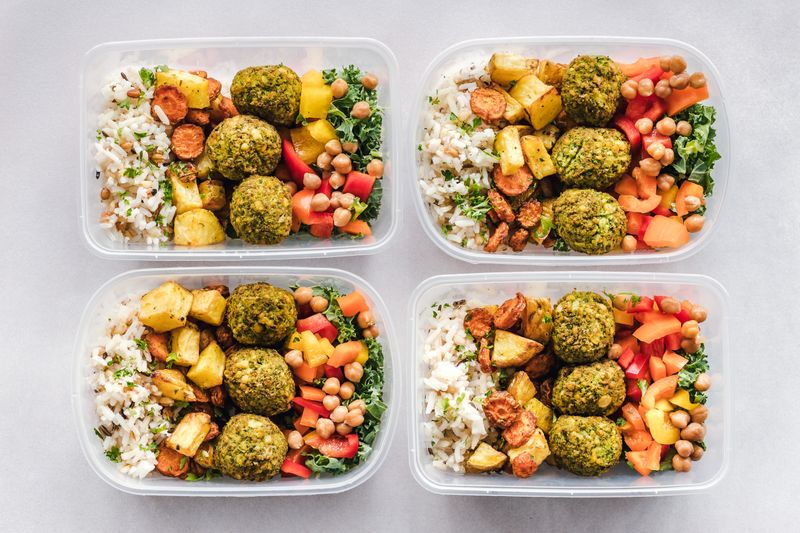
A lunchbox needs a portion of something that keeps overnight, travels without leaking and is edible cold or barely warmed. Most dinners produce something meeting that description.
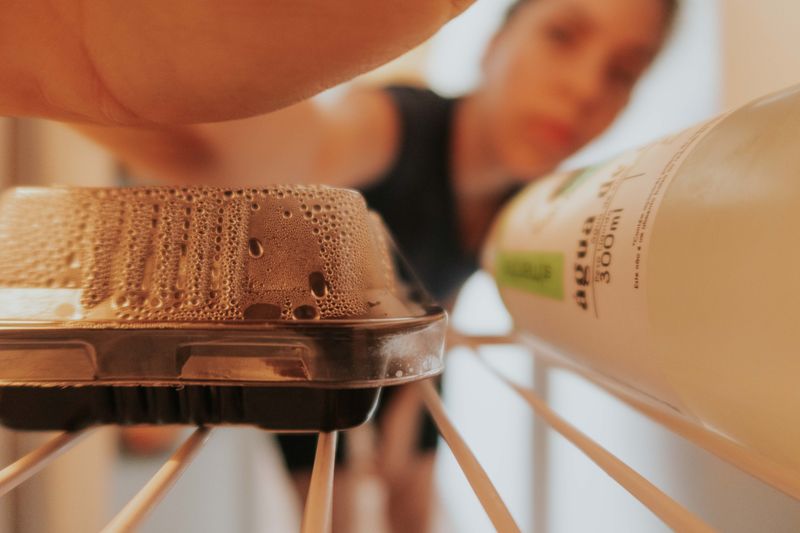
The obstacle is timing. Leftovers go into the fridge in a single large container at night and get portioned in a rush the next morning, if at all.
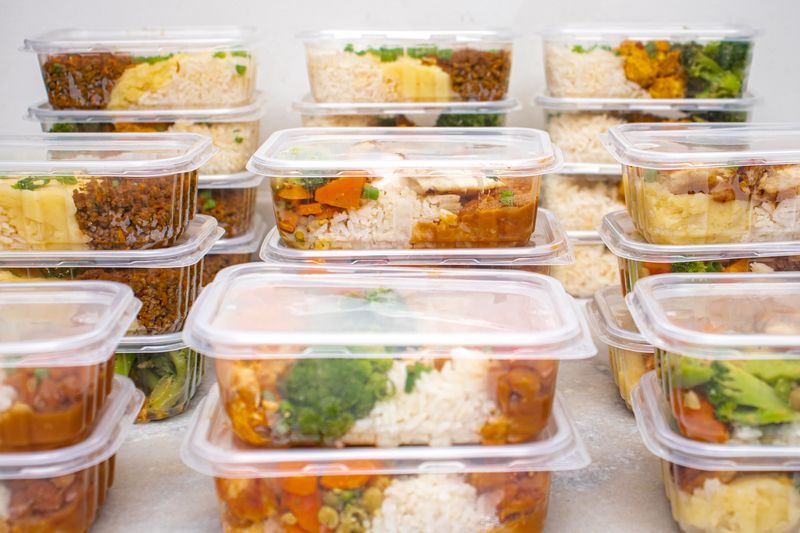
Portioning at the point of storage rather than at the point of packing moves the work to the evening, when the food is already out and the containers are already open.
Cooking a little extra costs almost nothing
Adding a portion to a pan already in use consumes no extra time and very little extra fuel. The setup and the cleanup are unchanged.
Cooking that portion separately in the morning costs the full overhead again, a pan, a burner and attention, at the hour when none of those is available.
The efficient version is deciding at the point of prep, not at the point of serving. A recipe scaled by a third at the start rarely needs any other adjustment.
Some foods travel and some do not
Grains, roasted vegetables, cooked beans and firm proteins hold up in a container for hours and taste reasonable at room temperature or lightly reheated.
Anything crisp will not survive. Breaded items go soft, dressed greens collapse, and a sandwich assembled the night before with a wet ingredient soaks through by lunchtime.
Packing wet components separately solves most of that. Dressing, sauce and anything juicy in a small separate container keeps the texture intact until the lid comes off.
Temperature is the part to think about
A lunch packed in the morning sits for hours before it is eaten, often at room temperature in a backpack or locker rather than anywhere cold.
An insulated container with an ice pack, or a vacuum flask filled with something hot, keeps food out of the middle range where handling guidance advises against leaving it.
Published food safety guidance covers how long perishable food should stay unrefrigerated and how to pack it. It is worth checking rather than relying on habit.
The repertoire narrows in a useful way
Once lunch is part of the calculation, certain dinners become more attractive. A grain bowl, a chili or a tray of roasted vegetables all divide cleanly and reheat without complaint.
That is not a restriction so much as a filter. The dishes that batch well are largely the same dishes that pack well, which reduces how many decisions the week requires.
The dinners that do not fit the lunchbox still have their place. They simply belong on nights when nothing needs to go out the door the next morning.
Questions readers ask
Can two dishes with different temperatures share an oven?
Often yes, by meeting in the middle and adjusting the timing. Delicate baking is the exception, since it depends on precise rates of setting and rising.
Does a full oven cook less evenly?
It can, especially if airflow is blocked. Leave gaps between trays, swap their positions partway through, and do not stack them directly above one another.