Batch & Leftovers
Stems, tops and rinds are food you already paid for
A large share of what goes in the bin is edible, and most of it has a use that is better than a virtuous one.
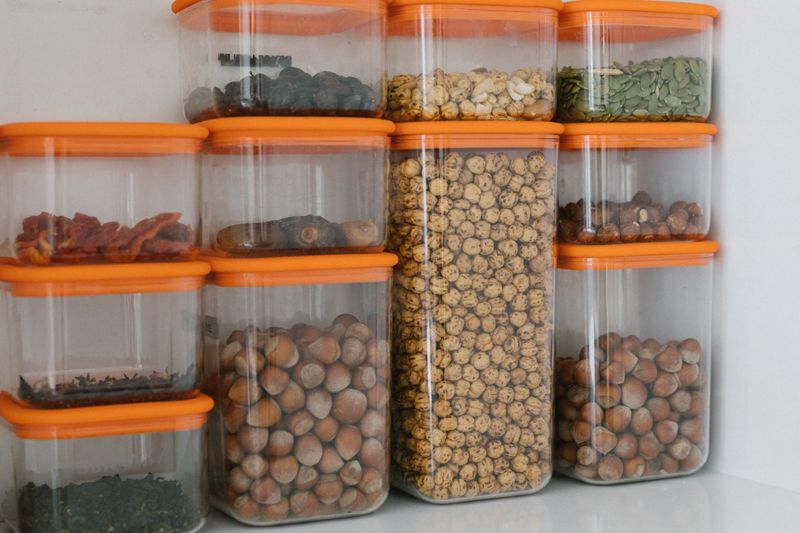
This works through using vegetable trimmings in the order the parts actually depend on each other.
The short version
- Broccoli stems, chard stalks and leek tops are all edible and often better than the parts people keep.
- Freezer bags for trimmings are what make stock happen.
- Some trimmings genuinely should not be eaten.
The parts people throw away
Broccoli and cauliflower stems are sweet and firm once the tough outer layer is peeled, and they roast and slaw well. Chard and beetroot stalks cook like a vegetable in their own right and take a few minutes longer than the leaves. Leek tops, carrot tops, celery leaves, herb stalks and parmesan rinds all carry flavour.
These are not sad substitutes; several of them are the more interesting part of the vegetable.
A bag in the freezer changes everything
Trimmings accumulated in a freezer bag reach stock quantity in a week or two without any planning. Onion skins add colour, mushroom stems add savouriness and parmesan rinds add body.
If you are short of time, without the bag, stock requires a decision on the day and therefore never gets made. Keep out anything strongly bitter or sulphurous in quantity, since brassica trimmings can dominate a stock.
Turning trimmings into condiments
Herb stalks blitzed with oil, garlic and acid make a sauce that lifts anything on the plate. Carrot tops and radish leaves work in the same kind of sauce, which is a better use than a garnish. Citrus peel makes zest, dried peel or an infused oil, and juiced halves can flavour water or a cleaning solution.
Quick pickling firm stems and stalks gives you the sharp element that most plates are missing.
Cooking whole things
Roasting a vegetable whole, skin and all, is usually faster than preparing it and often tastes better. Potato, carrot and beetroot skins carry flavour and fibre and mostly need scrubbing rather than peeling. Crisping skins in the oven with oil and salt turns a trimming into the crunchy element of the meal.
Chicken skin rendered slowly gives both fat for cooking and something crisp to scatter.
Fat and liquid are also ingredients
Rendered fat from roasting keeps in the fridge and is excellent for roasting the next batch of potatoes. The liquid from tinned pulses, the water from soaking dried mushrooms and the juices in a roasting tin are all concentrated flavour. Pasta water, brine from pickles and the whey from strained yoghurt all have uses beyond the drain.
None of this is exotic technique; it is noticing what is already in front of you.
Where to draw the line
Some plant parts are genuinely unsuitable to eat, including rhubarb leaves and green sprouting parts of potatoes. Anything mouldy, slimy or off-smelling should go, and trimming visible mould off soft foods is not sufficient.
Trimmings for stock should still be sound produce rather than material that was already spoiling. Your national food safety guidance covers what to discard, and it is the appropriate source when something is borderline.
The takeaway
Keep a bag in the freezer, peel less than you do now, and treat stalks as a vegetable rather than a trimming.
The good version is the one you can make on a Wednesday.
Questions readers ask
Can I put any vegetable in stock?
Most are fine, but brassicas and beetroot dominate, and anything bitter or starchy can cloud or spoil the flavour. Onion, carrot, celery, leek, mushroom and herb stalks are the safe core.
Are potato peelings edible?
Yes, when the potato is sound and well scrubbed. Discard any that are green or sprouting, since those parts contain compounds you should not eat.