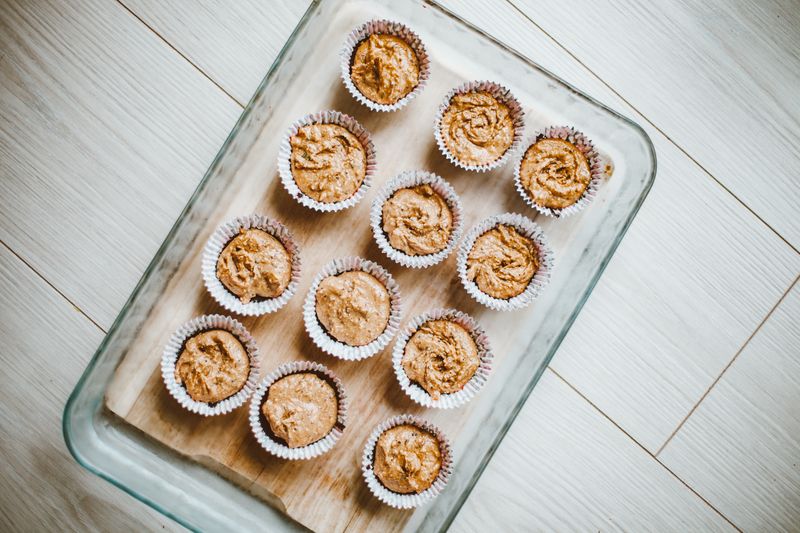
Batch & Leftovers
Two hours on a Sunday buys four components, not four dinners
The batch session that survives is the one that produces parts you will want to combine, rather than meals you have already got bored of.
Comparisons of a weekly cooking session usually pick a winner. This one picks the circumstances, which is more useful.
The difference in one place
- Run the oven, the hob and the kettle at once rather than in sequence.
- Components in separate containers give more meals than the same effort spent on one dish.
- Cooling and storing properly is part of the session, not an afterthought.
Design the session around the oven
The oven is the piece of equipment that works unattended, so it should be full for the whole session. A tray of roasted vegetables, a tray of chicken thighs and a pot of something braising can all run while you do something else.
Meanwhile a grain cooks on the hob and a pan of onions softens slowly beside it. The session is short because the equipment is working in parallel rather than in sequence.
Four categories rather than four recipes
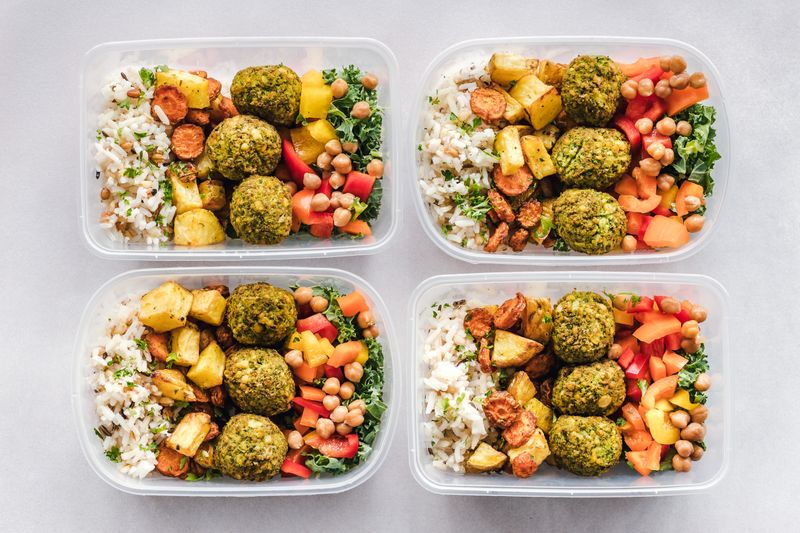
A grain or starch, a protein, a roasted or braised vegetable and a sauce or dressing between them make a large number of plates. None of them is a dish, which is precisely why the week does not taste repetitive. Adding something fresh and something sharp on the night is what makes each combination feel cooked rather than assembled.
Nine times out of ten, a jar of dressing is the highest-return item in the session and takes two minutes.
Choose things that hold
Roasted root vegetables, braises, grains, pulses and firm proteins all keep and reheat well. Delicate fish, leaves, fried food and anything crisp should be cooked fresh on the night.
In practice, cooking one thing that does not hold is how a batch session becomes a disappointment. Sauces and dressings hold longest and do the most work, so they are worth prioritising when time is short.
Store for how you will use it
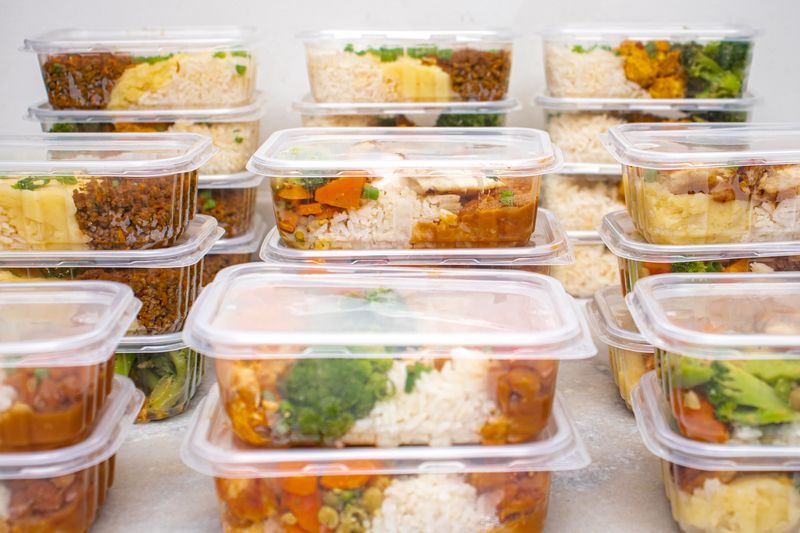
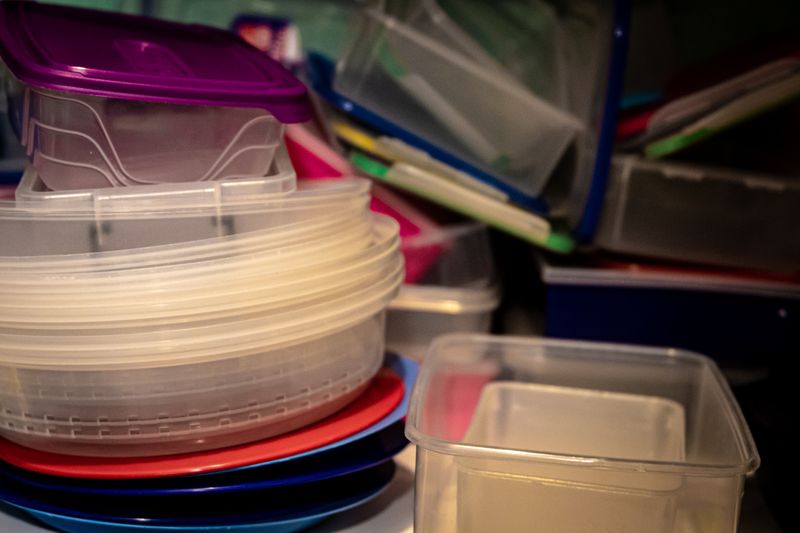
Separate containers for separate components is what preserves the flexibility the session was for. Shallow containers cool faster and reheat more evenly, and cooling promptly is part of the job rather than an optional extra. Label everything with contents and date, since a fridge of identical tubs defeats the purpose within three days.
Freeze anything intended for later in the week straight away rather than at the point it is going off.
Keep the session honest
Two hours is a realistic session and four is a project that will not happen again next week. Cooking things you already know how to cook keeps it fast; the session is not the moment to try something new. Cleaning as you go matters more than usual, because the washing up from a large session is what makes people abandon it.
One pan reused rather than four pans used once saves more time than any efficiency in the cooking itself.
Adjust seasoning at the end rather than trusting a quantity written by a stranger.
Safety in a large session
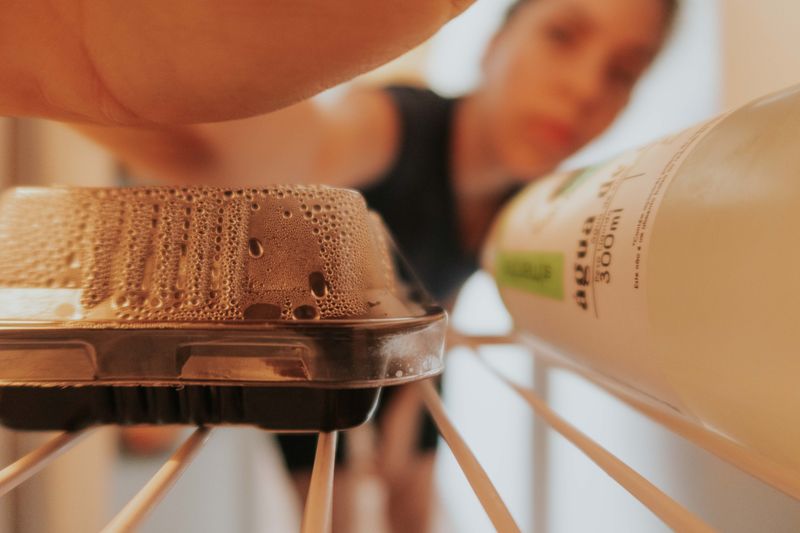
Large volumes cool slowly, and a big pot left on the hob to cool is the classic home food safety mistake. Divide, spread out and refrigerate promptly, and follow your national guidance on cooling and storage times.
Rice and other grains need particular care and are worth reading about once in your own country guidance. Keep raw and cooked separate throughout, since a batch session moves a lot of food around one worktop.
Side by side
| Consideration | What it means in practice |
|---|---|
| Design the session around the oven | Run the oven, the hob and the kettle at once rather than in sequence. |
| Four categories rather than four recipes | Components in separate containers give more meals than the same effort spent on one dish. |
| Choose things that hold | Cooling and storing properly is part of the session, not an afterthought. |
The takeaway
Fill the oven, cook four categories rather than four dishes, and store them separately with dates on.
Taste it before it leaves the pan. That is most of cooking.
Questions readers ask
What if I do not want to spend a whole Sunday?
Half an hour producing one sauce, one grain and one tray of roasted vegetables already changes a week. The session scales down better than it scales up.
Does batch cooking save money?
Usually, since it lets you buy larger and cheaper units and reduces the waste from unused fresh produce. The saving is bigger than the time saving for most households.