Batch & Leftovers
One base sauce, five directions
The most useful thing to batch is not a meal but a foundation that becomes several different meals without tasting like any of them twice.
This is written to be used rather than admired. Each section below is a decision about base sauces, and each one has a default.
Before you start
- A neutral base takes seasoning in different directions later.
- Freezing in portions is what makes a base actually get used.
- Adding the defining flavours late keeps the base versatile.
Keep the base deliberately plain
A base sauce is aromatics, a body such as tomatoes or stock, and enough cooking to develop depth, and no more. Adding the defining spices, herbs or chilli at the base stage locks it into one dish. Seasoning lightly on salt is equally important, since the finished dishes will each need their own adjustment.
The discipline is to resist making it delicious in one specific direction while it is still in the pot.
Bases worth having
A soffritto of slow-cooked onion, carrot and celery is the foundation of an enormous range of European dishes. A cooked tomato base, an onion and ginger and garlic base, and a plain meat or vegetable braise cover most of the rest. Caramelised onions are a base in their own right, and they take long enough that batching them is the only sensible approach.
The part that matters: a concentrated stock or reduced pan juices does the same job on a smaller scale.
Branching the same pot
A tomato base becomes pasta sauce, a shakshuka, a braising liquid for fish, a soup with pulses added, or a topping for a bake. Each direction is set by what goes in at the end: herbs, spices, dairy, acid or a different protein. That last-minute addition is a couple of minutes of work, which is why the approach survives a weeknight.
Because the base is neutral, the same week does not taste like the same meal five times.
Cook it properly once
The base is where browning, slow softening and reduction happen, which are the steps a weeknight cannot afford. That is the actual efficiency: the time-consuming part is done in bulk and the fast part is done fresh. A base cooked carelessly produces five mediocre dishes rather than one, so it is worth the attention.
Cooking it in a heavy pan on a low heat while doing something else is the least demanding way to make it good.
Store it to be used
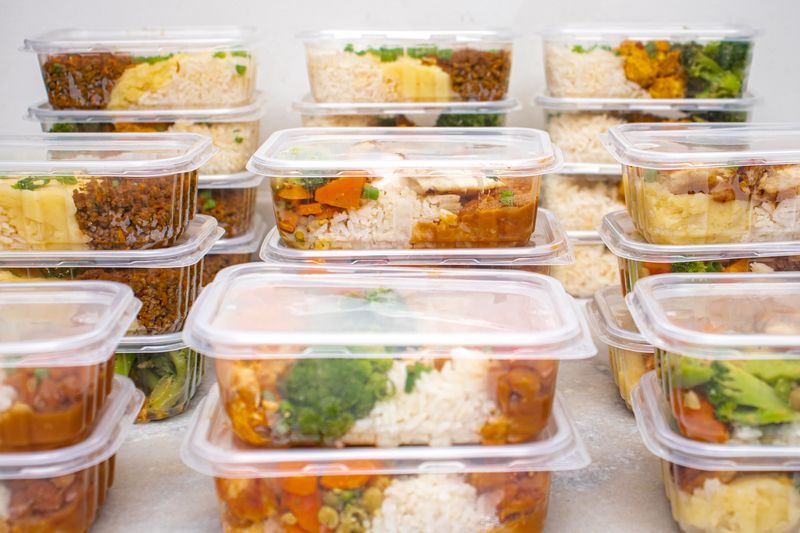
Portion sizes should match what one meal needs, since a large frozen block will not be defrosted on a Tuesday. Freezing flat in bags stacks efficiently and defrosts far faster than a solid container. Label with what it is and when it was made, because bases look alike once frozen.
On a weeknight, follow your national food safety guidance on cooling and storage times rather than assuming a universal figure.
Adjust seasoning at the end rather than trusting a quantity written by a stranger.
Where it does not work
Delicate flavours fade over storage, so anything defined by fresh herbs or citrus should be finished fresh. Dairy-based sauces can split on freezing and reheating and are better made to order.
At the stove, bases with a lot of starch thicken further in storage and need loosening on reheating. The test is whether the base is a foundation or a finished thing, and only foundations survive being reused.
The takeaway
Cook the slow part in bulk and keep it plain, then decide what it is on the night.
The good version is the one you can make on a Wednesday.
Questions readers ask
How long does a base sauce keep?
Refrigerated for a few days and frozen for months, though quality declines. Your national food safety guidance sets the appropriate limits for where you live.
Should I salt the base?
Lightly. The finished dishes will reduce differently and be seasoned differently, and an over-salted base cannot be corrected later.